A Detailed Guide to Seed Soaking and Germination Promotion Methods for Hybrid Rice
A netizen from Guangxi left a message saying: We are about to raise rice seedlings, so how should we soak the seeds and promote germination? It is now the main spring production season, and a small number of farmers, due to improper operation during the seed soaking and germination process, have encountered problems such as seeds turning sour and smelly and poor sprouting. Therefore, when soaking seeds and promoting germination, attention should be paid to: 1. Sun-drying the seeds: ...
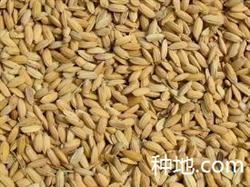
A netizen from Guangxi left a message saying: We are about to raise rice seedlings, so how should we soak the seeds and promote germination?
It is now the main spring production season, and a small number of farmers, due to improper operation during the seed soaking and germination process, have encountered problems such as seeds turning sour and smelly and poor sprouting. Therefore, when soaking seeds and promoting germination, attention should be paid to:
1. Sun-drying the seeds: One week before soaking, choose a sunny day and sun-dry the seeds for 3-4 hours or half a day, then place the sun-dried seeds in a dry, cool place to cool completely, so as to promote the respiration of the seeds and enzyme activity, which helps increase the seed germination rate and germination vigor; sun-drying the seeds can also kill some pathogens attached to the rice husk. It is better to sun-dry the seeds on a bamboo tray or on mud ground, but the rice seeds must not be spread directly on a cement floor or stone slab to dry, to prevent sun damage to the rice seeds.
2. Seed selection: Seed selection with clean water is required. Remove the blighted grains floating on the surface and select plump rice seeds, so as to cultivate neat and robust seedlings. Because most two-line hybrid varieties have poor plumpness and high seed prices, the unplump seeds should be fully utilized. It is best to carry out separate germination and sowing, with focused care, so as to cultivate neat and robust seedlings. If seeds are sufficient, there is no need to use half-filled seeds.
3. Seed soaking and disinfection. After washing the seeds clean with clean water, put them into clean water and pre-soak for 12 hours first (during the pre-soaking period, change the water about once every 4-6 hours and wash the seeds clean), so that the pathogen spores attached to the seeds germinate. Then soak the seeds for 12 hours in a 300-fold strong chloroisocyanurate solution. The disinfectant solution should be one cun above the seed surface (do not change the water during disinfection). Then rinse repeatedly with clean water until the residual liquid is completely removed. After washing clean, continue to soak the seeds in clean water for 12 hours, then take them out to promote germination.
4. Germination promotion: Many farmers like to put the seeds in woven bags to promote germination, and even put the seeds under the sun to bake because the temperature cannot rise, often causing sprout burning. The best method is to use double-layer, disease-free, moist gunny bags to promote germination. Spread a layer of disease-free rice straw on the ground, lay one gunny bag flat, spread the seeds evenly on it, then cover with another gunny bag. In the middle, only pay a little attention to whether water needs to be added. They can also be put into gunny bags or bamboo baskets, with rice straw packed around them to keep them warm. After the rice seeds heat up, control the temperature at 35-38°C. If the temperature is too high, turn the pile; if too low, the temperature of the warm water used should be increased. After about 20 hours, the rice seeds can show white and break through the hull.
5. Timely sowing: After the rice seeds show white, adjust the temperature to 25-30°C, and promote germination and root growth at a suitable temperature. When the sprout is half a grain long and the root is 1 grain long, they can be sown in the field. During germination promotion, always pay attention to changes in the temperature of the rice seeds to prevent the temperature of the rice seeds from being too high or too low. If the temperature is too high, the seeds will be burned; if too low, they will turn sour, smelly, and alcoholic, affecting the germination rate.
6. Seedling hardening: Before sowing, spread the rice seeds that have been well germinated at normal temperature to harden for 3-6 hours, then sow. This allows the rice seeds to adapt to the air temperature and improves the seedling survival rate.
7. Sowing methods: At present, water-raised seedlings and dry-raised seedlings are mainly used. For healthy, plump seeds with strong germination vigor, both water-raised and dry-raised seedlings can be used. For seeds with poor color and plumpness, weak germination vigor, or even pathogen infection, it is best to use dry-raised seedlings. Seedlings raised by dry cultivation have the characteristics of being short and strong, with strong root activity and strong cold resistance. After transplanting, they recover quickly and tiller vigorously, improving the spike-forming rate and seed-setting rate. They can not only be sown and transplanted early and mature early, but also save seedling fields, film, seeds, labor input, fertilizer input, and water use.
8. Preventing seedling rot: Seedling rot is the general term for seed rot, sprout rot, and dead seedlings. Taking rooting and greening as the boundary, seed rot and sprout rot occur before rooting and greening. Dead seedlings occur after rooting and greening, especially being more serious at the 2-3 leaf stage. Methods for preventing and controlling seedling rot: First, spray chemicals to sterilize. For soil sterilization, mainly use a mixed solution of dexon (1:500) and copper sulfate (1:1000), 150 kg, sprayed on the bed surface with coarse droplets; second, supply water in time to prevent bacterial wilt dead seedlings; third, if the sprouts are washed by rain during the bud stage and the seed sprouts are exposed, supplementary covering can be added or thin mud slurry can be evenly sprinkled on the bed surface, both of which can increase the seedling emergence rate; fourth, sow appropriately sparsely to cultivate strong tillering seedlings.