-
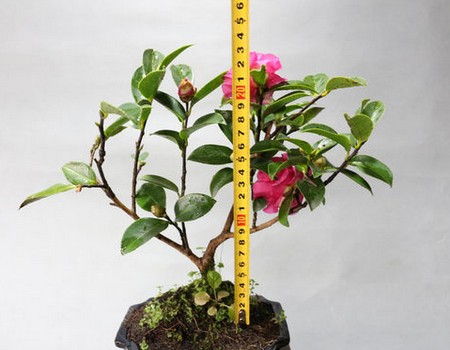
How to Shape a Camellia Sasanqua Bonsai? A Full Guide to Methods and Techniques
Camellia sasanqua has been favored by people since ancient times. It has a delicate form, elegant leaves, brilliant flower colors, and a long blooming period, making it a famous flowering plant prized both for its flowers and its foliage. The purpose of making a camellia sasanqua bonsai is appreciation, and the prerequisite for appreciation is being able to give the camellia sasanqua good shaping, so how to shape it is a very important point.
-
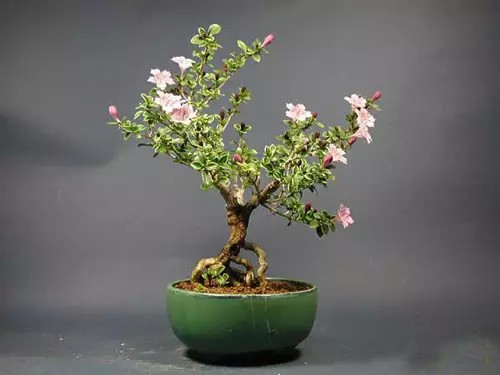
How to shape a Serissa bonsai? Detailed methods
Different tree species each have their own way of being worked! As for Serissa (Serissa japonica), its exposed roots are the most fun to work with, so I suggest: shorten the upper branches and trunk, establish primary and secondary structure, raise the roots upward, and take it slowly - you can't rush bonsai! 1. Processing: Serissa is generally shaped by a combination of pruning and wiring.
-

How to shape a five-needle pine bonsai? A detailed guide to practical methods
The five-needle pine is a sun-loving tree species that prefers fertile, loose, acidic soil. It is widely cultivated, with fine, dense, deep-green foliage. It is suitable both for garden accents and group plantings, and is also an important tree species for potted cultivation or bonsai. Shaping the five-needle pine should begin from the young tree stage and be carried out in winter
-
How to shape a ginkgo bonsai? Detailed explanation of the technical key points
The ginkgo tree is a precious ornamental tree species, not only widely used in landscaping, but also quite beautiful when made into a bonsai. Pruning is the main technique for shaping a ginkgo bonsai. According to different appreciation requirements, methods such as thinning, heading back, and renewal pruning should be used
-
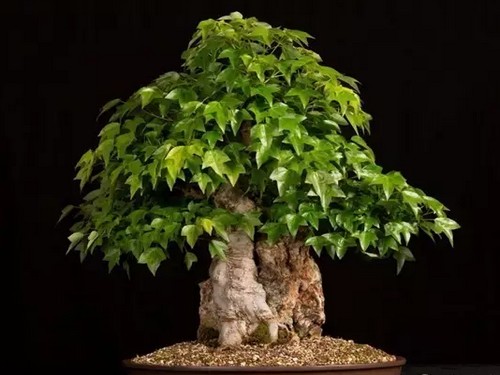
How to shape a trident maple bonsai? Detailed shaping method explained
Trident maple (Acer buergerianum) is a deciduous tree of the Aceraceae family, also known as duck-foot tree. A bonsai made from trident maple has tender leaves covering the branches in early spring, strikingly red and alluring; in early summer, green leaves are lush and graceful; in late autumn, yellow leaves fill the tree, brilliantly orange and elegant; in deep winter, leaves fall and branches are revealed, refined and noble. Because of its many advantages, it is widely used in the bonsai world.
-
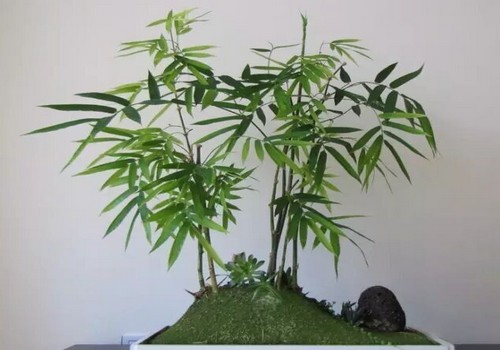
How to Dwarf and Shape Bamboo Bonsai? A Detailed Guide to Practical Techniques
Bamboo sprouts and grows quickly, so regular pruning is necessary to keep the bamboo bonsai looking graceful. Each year between June and July, once the new bamboo has finished growing, carry out renewal and shaping pruning. Any new shoots that emerge afterward should be removed immediately, so they do not disrupt the shape of the bamboo bonsai, consume nutrients, and affect the vigor of the parent bamboo.
-
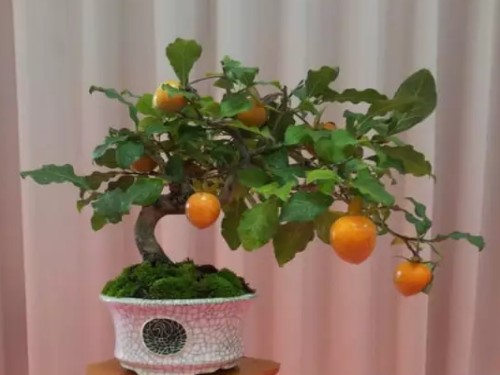
How to shape a Japanese persimmon (Diospyros rhombifolia) bonsai? Methods and techniques explained in detail
The Japanese persimmon (Diospyros rhombifolia) looks attractive, is easy to grow and easy to shape, so garden cultivation and Japanese persimmon bonsai are often seen. But apart from its fruit, the Japanese persimmon really has no ornamental value: it is a deciduous shrub with very slender branches, thorns, and rather ordinary leaves. Once it drops its leaves in winter, it is nothing but a pile of dry firewood
-
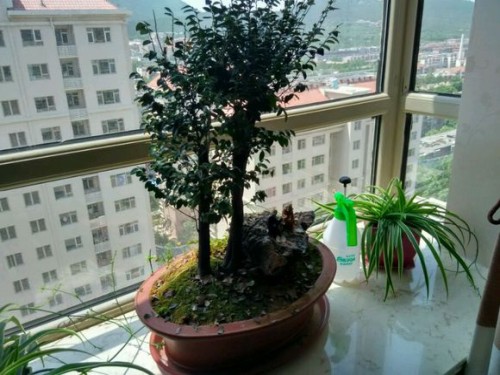
How to Shape a Podocarpus Bonsai? Practical Tips and Methods Explained
The Podocarpus bonsai has a lush, elegant, and vigorous tree form with an ancient, sturdy appearance. Its leaves stay fresh green in all four seasons, giving a sense of strength and noble purity. If attached to rocks and shaped into an eagle-claw-embracing-stone posture, it becomes even more antique and unique. A Podocarpus combined with bamboo and stones creates an extremely elegant landscape. A forest-style Podocarpus bonsai, paired with grazing scenery, can give people the enjoyment of rustic charm
-
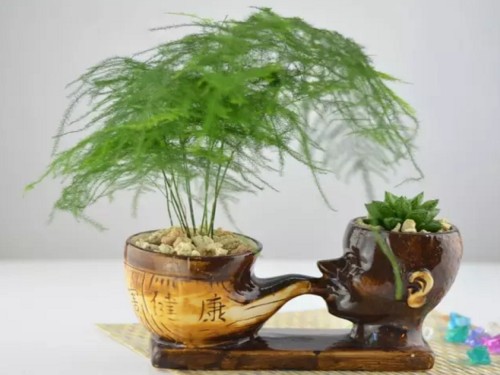
How to shape an asparagus fern bonsai? Practical shaping methods taught to you
Asparagus fern, also known as cloud-pine fern, spiny asparagus, and cloud bamboo, is an evergreen foliage plant with high ornamental value. It is Asparagus plumosus of the genus Asparagus in the family Liliaceae. The roots of asparagus fern can be used as medicine, having effects in treating acute bronchitis and relieving cough, and possessing the function of moistening the lungs. It is mainly grown in pots for its foliage, and is also an important cut-foliage material
-
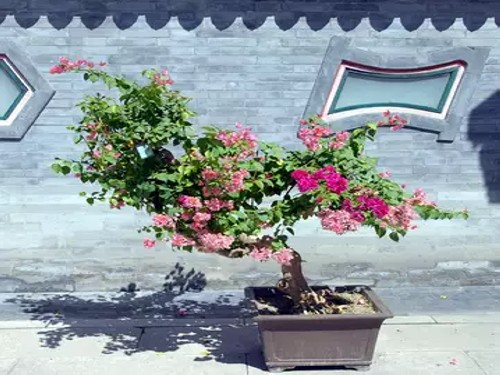
How to shape a crape myrtle bonsai? These methods you need to master
The crape myrtle (Lagerstroemia indica) has been an excellent bonsai tree material from ancient times to the present, and is one of the "Eighteen Scholars" of stump bonsai; it is widely used in the Hui and Chuan schools among the traditional eight major stump bonsai schools. The crape myrtle has the characteristic of exposed roots, and the older the tree, the more twisted and strange its roots become, giving it a vigorous, quaint, elegant and eye-catching effect
条件筛选