-

-
-
-
-
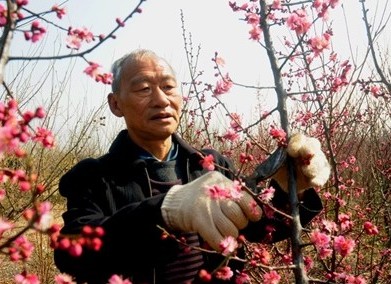
How to prune and shape a potted plum blossom? A detailed guide to pruning methods
The Southern Song poet Yang Wanli wrote a poem praising plum blossoms: "At first it seemed the fragrance broke through the nose, but once it passed there was no scent and no flavor; in the still dusk the flowers seem about to sleep, not knowing they have been intoxicated by their own fragrance." This describes the subtle fragrance of plum blossoms. The plum tree has an elegant posture, with gnarled trunks spreading like a canopy, sparse branches slanting crosswise, vigorous and ancient-looking, making it the most beautiful of all.
-
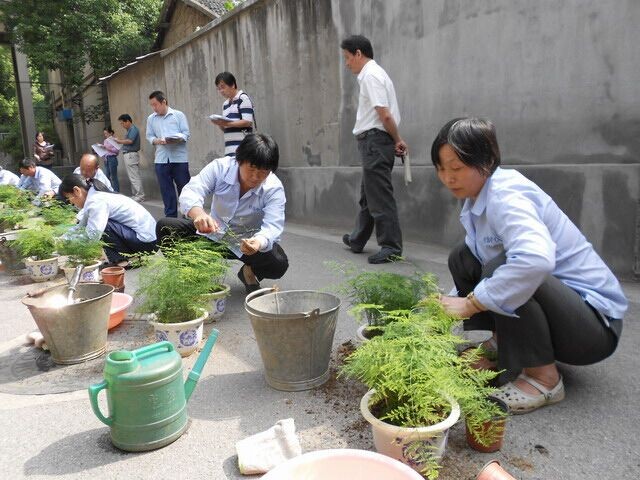
How to prune and shape asparagus fern? A detailed guide to shaping methods
Asparagus fern, everyone is familiar with it, but have you ever had this kind of trouble? The asparagus fern grows so fast that it ends up with a bunch of foliage on top and just a few bare stems below, which looks quite unsightly. Everyone wants to prune it, but after all the effort
-

Orange Honey Fragrance Cherry Tomato Variety Introduction: Detailed Explanation of Shape and Taste Characteristics
The lovely name of the Orange Fragrance Honey Cherry Tomato variety: orange, fragrance, honey, explains that it possesses the charming qualities of beautiful color, fragrant fruit, and sweet deliciousness - color, aroma, and taste all in one! The external appearance of the Orange Honey Fragrance Cherry Tomato. The Orange Honey Fragrance Cherry Tomato is also known as the Orange Honey Cherry Tomato or Clear Honey Cherry Tomato, orange
-
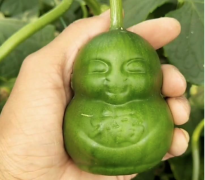
What Does a Cucumber Look Like, and How Do You Grow Ginseng-Fruit-Shaped Cucumbers?
We are all familiar with the cucumber as a fruit, and cucumber growing techniques are relatively simple. The fruit is oily green or emerald green, with soft small spines on its surface. The fruit shape is oblong, round or cylindrical. But have you ever seen a "ginseng fruit" cucumber? 201
-

How to shape a Polygonum multiflorum bonsai? A few practical tips for you
Although Polygonum multiflorum has a huge tuberous root, its vines are slender and weak, and it hardly forms an obvious main trunk, so when shaping it, you can consider using the tuberous root to replace the trunk. You can also take advantage of the plump tuberous root that resembles a rugged stone and treat it as an ornamental stone for shaping; it can be planted as a single specimen or combined in groups of several.
-
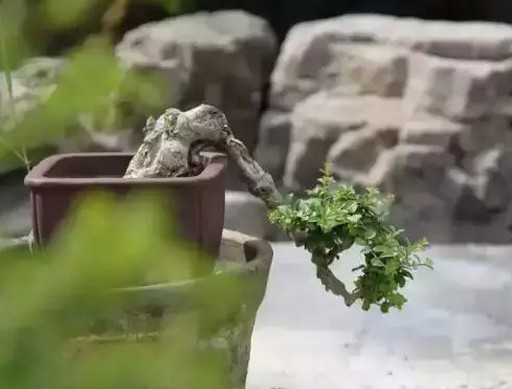
Cultivation of small trees for landscape bonsai originates from insights into how nature shapes trees
Bonsai starts from small seedlings, pruned once a year in the early stage, beginning with basic training; as time accumulates, the small tree naturally shows healed pruning cuts, and according to one's own needs and purposes, the tree's form is gradually perfected through continuous pruning. Young trees in the early stage have no degree of aging. Due to the characteristics of some tree species, such as Chinese privet (Ligustrum sinense)
条件筛选