-
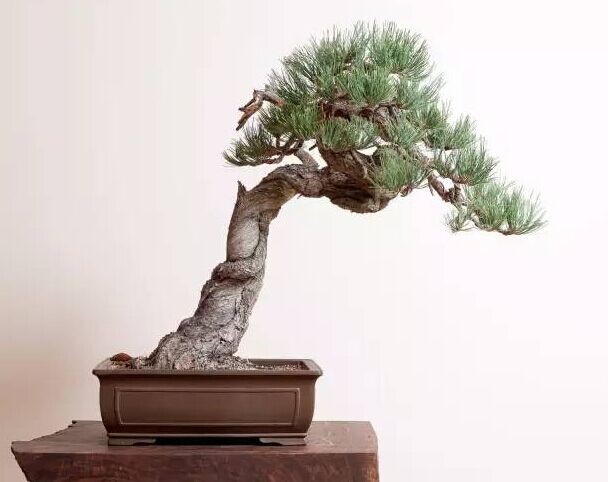
How to shape a cliff cypress (Sabina chinensis) bonsai? A detailed guide to practical techniques
Tip pinching and shari (deadwood) are important techniques that must be mastered when making cliff cypress bonsai. Tip pinching is actually leaf pinching. Because the young branches of the cliff cypress grow from scale-like small leaves, removing the tender young branches and leaves can control excessive growth. At the same time, tip pinching is also the only choice for organising the crown form, standardising the tree's appearance, and keeping the landscape beautiful and clean
-
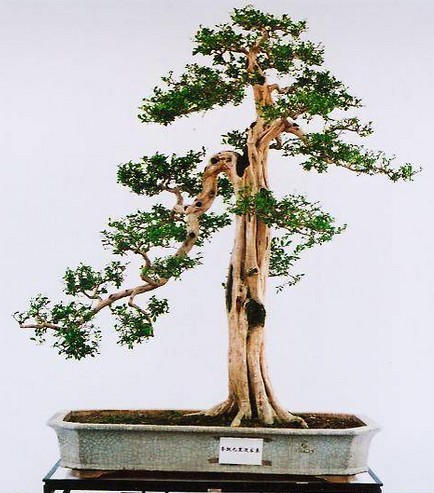
How to shape a formal upright bonsai? Detailed methods and techniques
The formal upright style is the most common form in bonsai creation, because the vast majority of bonsai materials can be made into the formal upright style, especially collected tree material, which is found everywhere. However, creating an excellent formal upright bonsai is truly not easy, since it is hard to find material of superior quality when collecting from the wild.
-
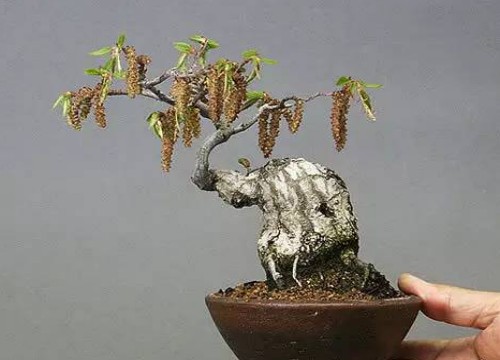
How to thin leaves and shape a bonsai? A full breakdown of methods and techniques
Cutting off the leaves at the tips of branches is called leaf thinning. Besides preventing branches from growing leggy and promoting the sprouting of axillary buds, leaf thinning also allows the entire tree to receive even sunlight, makes the branches near the roots thicker and the branches in the canopy thinner, so that the tree's vigor becomes strong and healthy. If sunlight cannot easily penetrate, causing poor air circulation, the branches and leaves in the lower part of the potted tree will weaken
-
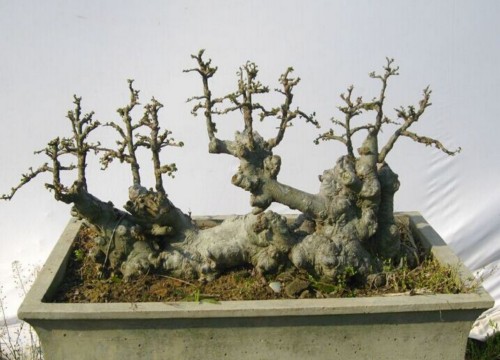
How to Shape a Chinese Elm Bonsai? Detailed Methods and Techniques
When shaping a Chinese elm bonsai, you should base the work on the basic form of the old trunk and, through wiring, pruning and other techniques, create different bonsai styles such as the formal upright style, curved trunk style, slanting style, waterside style, cascade style, wind-swept style, forest style, and root-on-rock style. Shaping can be done either during the dormant period after leaf fall or during the growing season
-
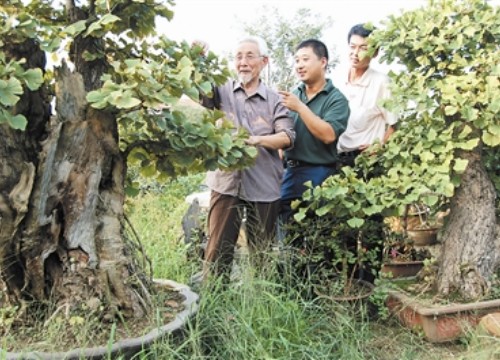
How to shape a ginkgo bonsai? A full analysis of practical techniques
Choose a suitable clay pot, fill it with coarse and fine soil, and plant the stump in the pot between February and March. During the growing period, bind the branches into curved or straight, slanting or upright, or upward or downward shapes, and control the direction and orientation of their extension well. The preliminary form is the foundation for making a bonsai. Working the preliminary form
-
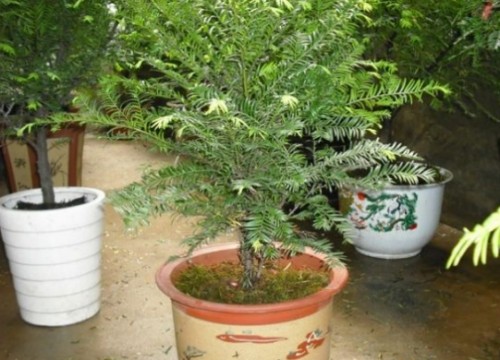
How to shape a Chinese pistache bonsai? A full analysis of practical techniques
The wood of the Chinese pistache is hard in texture and fine in grain, and can be used for construction, farm tools, furniture and carving. Its crown is tall and rounded, and its leaves are slender and graceful; after autumn the leaves turn bright red and the fruits are blue and red intermixed, so it can also serve as an ornamental greening tree for cities. Its young leaves can be made into tea, and its bark and stems can be used as medicine
-
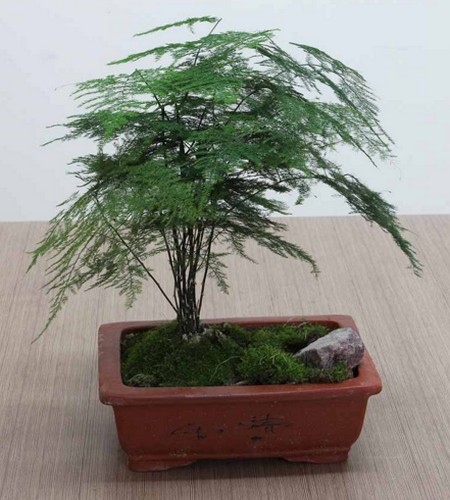
How do you prune and shape an asparagus fern bonsai? A detailed guide to practical methods
Asparagus ferns are kept small, not large; once they grow large, they lose that graceful, elegant feel. As for pruning methods for asparagus fern, everyone has their own opinion, and different forms naturally call for different pruning methods. This article introduces several pruning methods for everyone's reference only! How to improve the ornamental value of asparagus fern
-
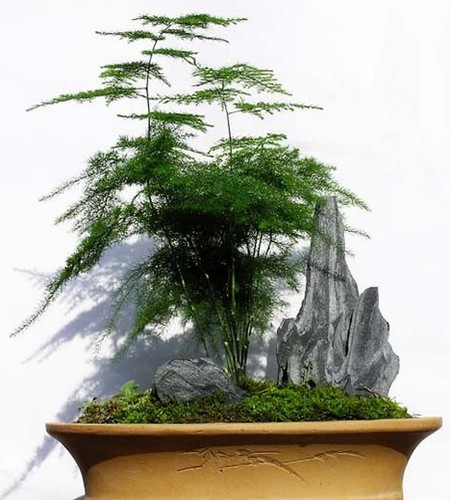
How to prune and shape a potted asparagus fern bonsai? A detailed guide to the methods
The potted asparagus fern (Asparagus setaceus) is deeply favored by the general public for being easy to grow, elegant and attractive, and for absorbing toxic gases. The whole asparagus fern is verdant; although its stems and branches are slender, they stand upright, and its leaf-like branches spread out horizontally in a shape close to a triangle, with leaves reduced to membranous scales attached to the branches like down feathers. Because its stems grow in clusters from the base
-
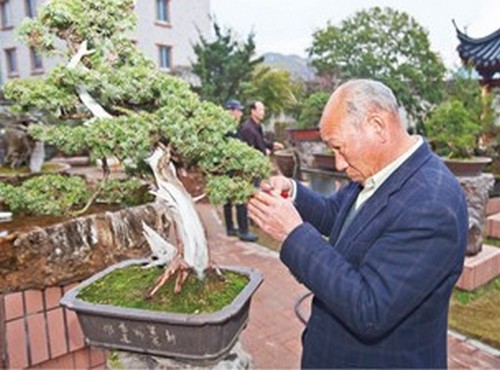
How to shape a Chinese juniper bonsai? A detailed guide to shaping methods
So-called Chinese juniper shaping means, through processes such as tying, binding, twisting, pinching, pulling, thinning and pruning, turning an ordinary Chinese juniper into a vivid living shape, such as animal shapes like lions and tigers; architectural shapes like pavilions and towers; and educational shapes like airplanes and rockets. These shapes range from about a foot tall to several meters tall
-
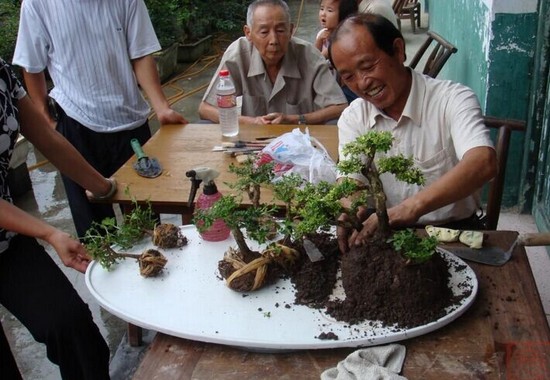
How do you shape a bonsai? A few practical methods to teach you
Bonsai is a decorative art with a long history in China. It involves taking woody plants, herbaceous plants, or water, stones, and the like, and through artistic processing, planting or arranging them in a pot to make them a miniature of nature. According to the different materials used, bonsai can be divided into two major categories: tree-stump bonsai and landscape bonsai
条件筛选