How to reduce the harm of chemical fertilizers? Master scientific fertilization methods
Chemical fertilizers are a very common type of fertilizer in our daily lives. Reasonable application of chemical fertilizers can effectively promote crop growth, thereby achieving the goal of high yield and high quality. But everything has two sides. If the dosage is not controlled well and fertilization is improper, chemical fertilizers can cause great harm to crops and the environment. So how can we reduce the harm of chemical fertilizers? Let's take a look together below!
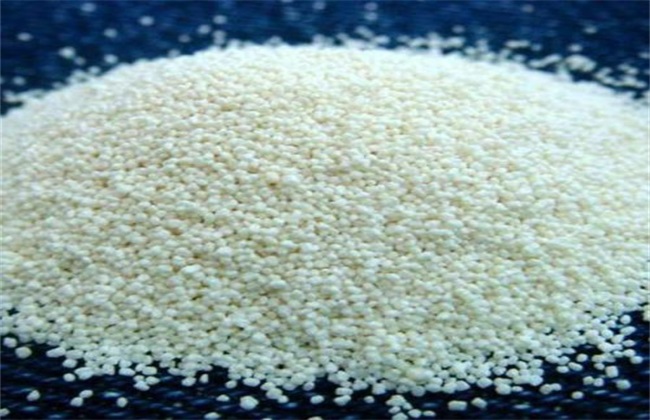
1. Strengthen formula fertilization
When we apply fertilizer, the fertilization method must completely change from the traditional methods of the past, reducing randomness and blindness, and focusing on formula fertilization. When carrying out formula fertilization, it is necessary to fully understand various fertilization parameters. For example, nutrient uptake for yield, soil nutrient absorption rate, and fertilizer utilization rate, etc. These parameters will change with crop growth and changes in planting conditions such as weather. Therefore, we should pay attention to continuously adding fertilization parameters, such as water quality, harmful substance content in soil, and the degree of chemical fertilizer pollution, etc., and continuously optimize formula fertilization.
2. Increase the proportion of organic fertilizer
When applying chemical fertilizers, we must never apply chemical fertilizers alone. We must pay attention to applying them in combination with organic fertilizers, and when carrying out formula fertilization, we should also appropriately increase the proportion of organic fertilizer. This is because organic fertilizer contains a great many nutrients, has a very long-lasting fertilizer effect, and also has the advantage of being pollution-free. An appropriate amount of high-efficiency organic fertilizer can increase the content of organic matter in the soil and enhance the soil's water and fertilizer retention capacity. At the same time, it can also improve the soil structure and physical and chemical properties, thereby reducing the harm of chemical fertilizers.
3. Increase the use of biological bacterial fertilizer and micro-fertilizer
Micro-fertilizer is also very important in crop growth. Micro-fertilizer can ensure the balance of nutrients within crops. Moreover, because biological bacterial fertilizer contains a large number of beneficial microorganisms, these microorganisms can secrete a large amount of physiologically active substances. It has the effect of fixing nitrogen and solubilizing phosphorus and potassium, which can not only improve the utilization rate of organic fertilizer and chemical fertilizer, but also improve the soil and supplement soil nutrients. It is very beneficial to crop growth as well as quality and yield. Moreover, biological bacterial fertilizer can also eliminate harmful substances and pathogens in the soil, reducing the residues of pesticides and chemical fertilizers in the soil.
4. Coordinate the relationship between macroelements and trace elements
Although many people are now carrying out formula fertilization, when carrying out formula fertilization, some people still only pay attention to the proportions of macroelements such as nitrogen, phosphorus, and potassium. They do not consider the supplementation of trace elements at all. But no matter what kind of crop it is, trace elements are very important during its growth. Increasing the supplemental amount of trace elements can ensure a balanced nutrient supply within the crop, accelerate the speed of nutrient transformation, and reduce the accumulation of harmful substances. It is also a key measure to improve crop disease resistance, and the harm caused by chemical fertilizers can also be reduced as a result.
The above is a brief introduction to how to reduce the harm of chemical fertilizers. That is all for today's introduction. This article is for reference only. Thank you all for reading and supporting.