-

Detailed Explanation of Key Points for Early-Maturing Lotus Root Cultivation Techniques
Based on their adaptability to water levels, lotus roots can be divided into two ecological types: shallow-water lotus root and deep-water lotus root. Shallow-water lotus root is suitable for water levels of 10-20 cm, with a maximum water depth tolerance of 30-50 cm. Deep-water lotus root is suitable for water levels of 30-50 cm, with a maximum water depth tolerance of 1-1.2 m. The general principle for water layer management in shallow-water lotus root is: shallow at the front, deep in the middle, ...
-
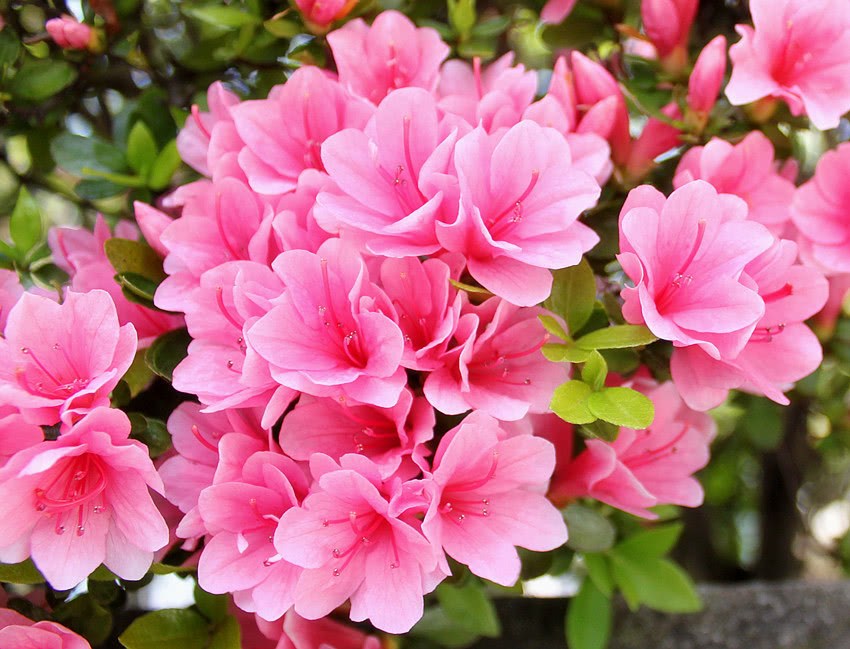
Azalea losing leaves badly? Once you understand the root problem, you won't have to worry anymore
When many novice flower lovers choose flower plant varieties to care for, the first thing they consider is definitely plants that bloom beautifully. Indeed, who doesn't like things with high "looks"? But many times, "beauties" also come with thorns...
-
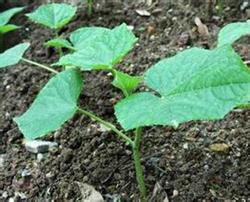
How to prevent root burn and seed rot when raising cucumber seedlings in winter and spring
Winter and spring are seasons with low temperatures, short daylight, and weak light. These natural conditions are all important factors affecting the formation of strong seedlings. However, under current production levels, it is difficult to fundamentally solve them artificially, especially the light conditions. Therefore, in the winter and spring seedling-raising season, if management is improper, the cucumber seedlings will easily...
-
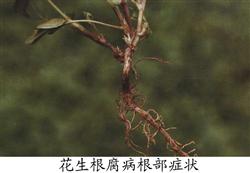
What are the control methods for peanut root rot?
There are broadly two causes of peanut root rot: one is waterlogging, and the other is root rot disease. Control should begin with draining away the standing water and keeping the ditches clear. Before sowing peanuts, treat the seed with a 10% Shileshi seed coating, and after the disease appears, drench the roots with a 1000-fold dilution of Lüheng No. 1 or No. 2; foliar spraying is ineffective. Practise crop rotation: in lightly affected fields, rotate every other year, and in severely affected fields, rotate for 3 to 5 years. Deep ploughing to improve the soil, applying more organic fertiliser, and rational irrigation and drainage will strengthen disease resistance.
-
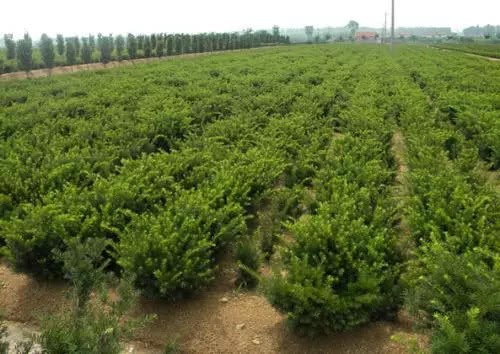
What to Do About Root Rot in Yew? Pay Attention to These 3 Points, and After It Thrives, Indoor Oxygen Supply Is Plentiful
As a nationally protected plant, the yew is not allowed to be cut down. But some artificially cultivated ones can be grown by anyone who wants to try. When growing yew, root rot problems very easily occur. The main problems are as follows: overwatering, overfertilizing...
-

Big difference between morning and evening fertilizing for flowers; fertilize at the wrong time and the roots will rot
There are more and more flower lovers, and most people nowadays grow their own flowers and plants. When it comes to growing flowers, besides for ornamental purposes, it is mainly about adding a bit of fun to your life, making you feel happy both physically and mentally, and it is also good for your health...
-
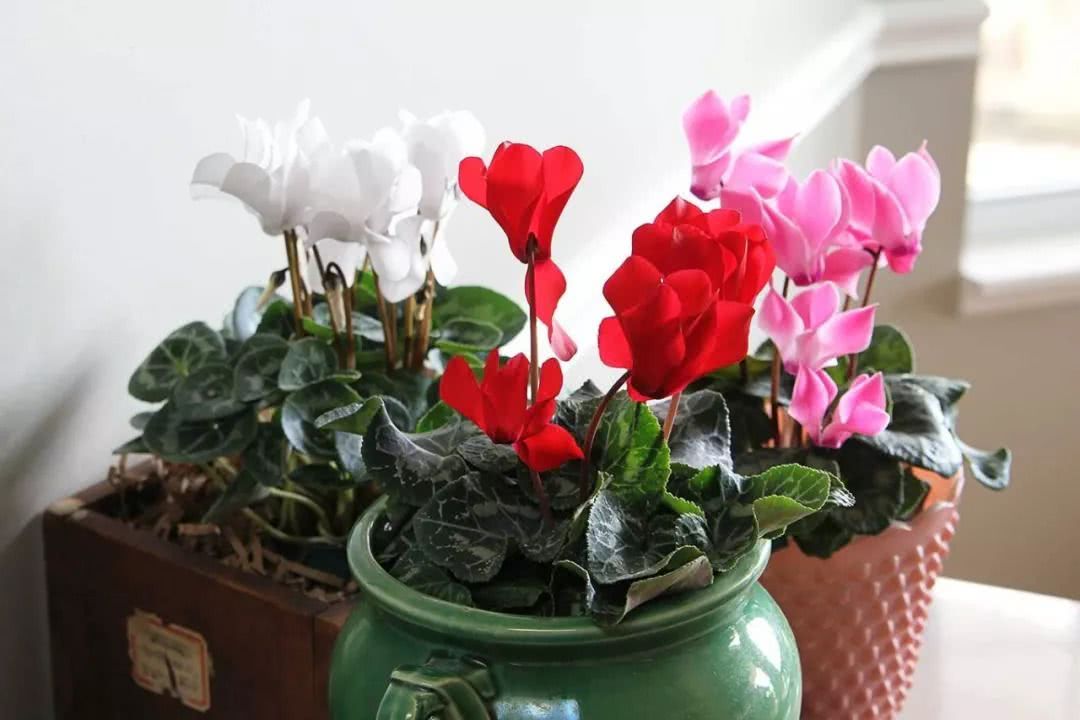
Cyclamen always getting root rot and yellow leaves? Once you dig it up, you'll see it was the method that was wrong
The first time I saw a cyclamen in a flower shop, I fell in love with it. It has a unique flower shape, and if you look closely, you'll notice the flowers look like rabbit ears, while the leaves are heart-shaped with variegated patterns. The whole plant looks...
-
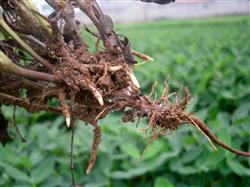
How to identify peanut root rot? Recognizing the typical symptoms is key
Peanut root rot is most severe during the peak flowering and podding stage. It mainly damages the roots of peanuts. After a peanut is infected, yellowish-brown water-soaked lesions form on the root crown, and the diseased area gradually turns dark brown. In the underground part of the diseased plant, the main root becomes wet and rotted, the root cortex turns brown and rots, is easily peeled off and shed, and there are no lateral roots, or the lateral roots are few and short, with the main root looking like a rat's tail...
-
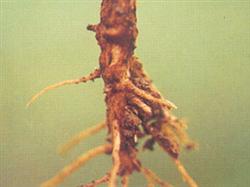
What to Do When Mung Beans Get Root Rot? A Detailed Guide to Prevention and Control Methods
(1) Symptoms In the early stage of the disease, the young leaves turn yellow. If the root system is pulled out for observation, the lower part of the stem and the upper part of the main root can be seen to be dark brown and slightly sunken. When the stem is cut open, the vascular bundles have turned dark brown. When most of the roots have rotted, the plant withers and dies. (2) Disease conditions Low-lying terrain, high soil moisture, low soil temperature, and poor root development make the disease likely to occur. Stormy weather helps the pathogen spread and proliferate.
-
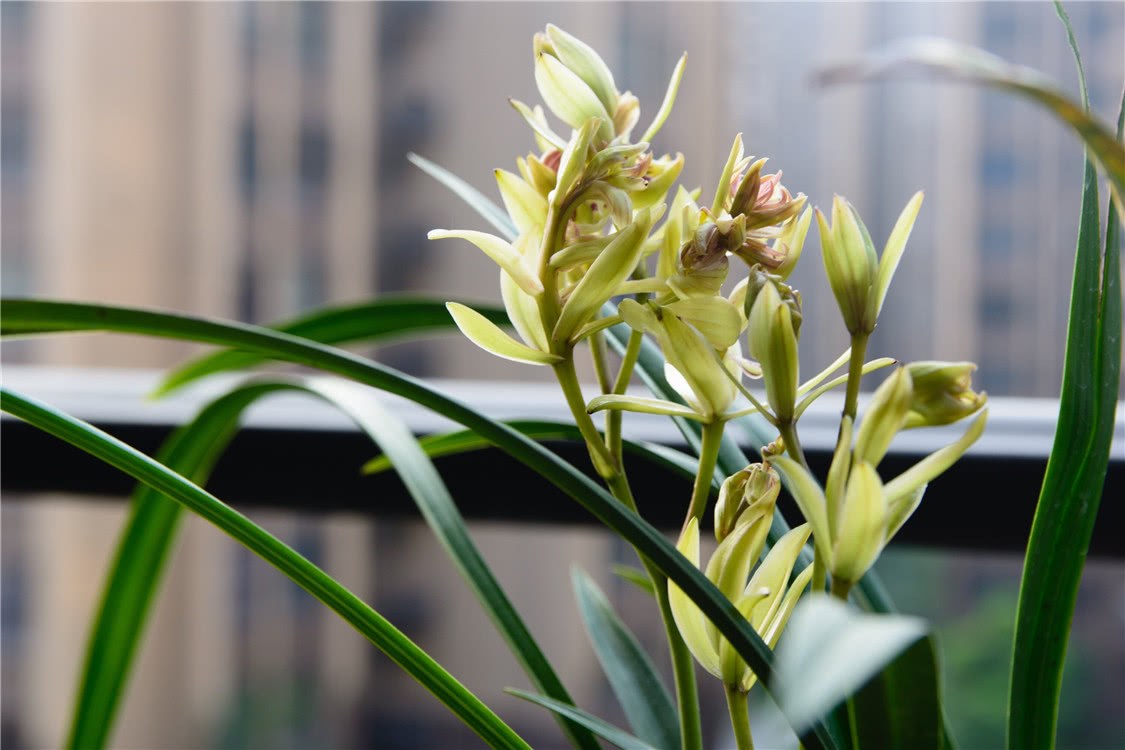
Mix a little yellow powder into orchid soil: alkaline soil turns acidic, roots burst out of the pot, and yellow leaves stay away
When growing orchids, growers with some experience agonize over watering, while new orchid growers agonize even more over soil mixing: how to mix the soil, what to use for mixing, what goes well with what. These questions give new orchid growers a...
条件筛选