How to identify peanut root rot? Recognizing the typical symptoms is key
Peanut root rot is most severe during the peak flowering and podding stage. It mainly damages the roots of peanuts. After a peanut is infected, yellowish-brown water-soaked lesions form on the root crown, and the diseased area gradually turns dark brown. In the underground part of the diseased plant, the main root becomes wet and rotted, the root cortex turns brown and rots, is easily peeled off and shed, and there are no lateral roots, or the lateral roots are few and short, with the main root looking like a rat's tail...
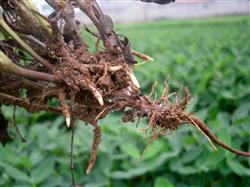
Peanut root rot is most severe during the peak flowering and podding stage. It mainly damages the roots of peanuts. After a peanut is infected, yellowish-brown water-soaked lesions form on the root crown, and the diseased area gradually turns dark brown. In the underground part of the diseased plant, the main root becomes wet and rotted, the root cortex turns brown and rots, is easily peeled off and shed, and there are no lateral roots, or the lateral roots are few and short, with the main root looking like a rat's tail. Therefore, peanut root rot is also called "rat tail," and this is the most important feature of the disease. When moist, adventitious roots regrow on the diseased root crown. The aboveground part of the diseased plant is short and stunted, with yellowing leaves that fall off easily; mildly diseased plants wilt during the day and recover in the morning and evening; severely diseased plants have drooping petioles, and the leaves wither and fall off from the bottom upward. The diseased plants are short, bear few flowers and pods, and have many shriveled pods.