Big difference between morning and evening fertilizing for flowers; fertilize at the wrong time and the roots will rot
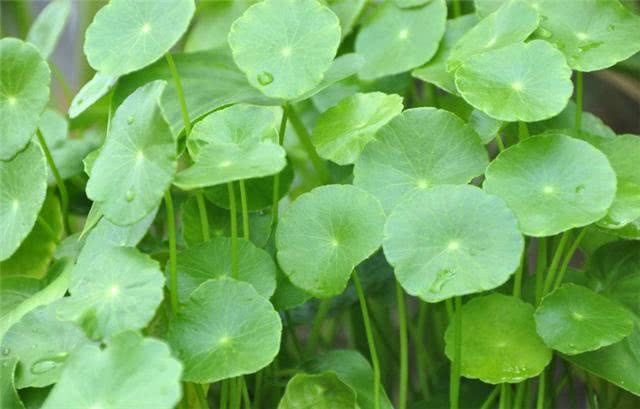
There are more and more flower lovers, and most people nowadays grow their own flowers and plants. When it comes to growing flowers, besides for ornamental purposes, it is mainly about adding a bit of fun to your life, making you feel happy both physically and mentally, and it is also good for your health. But growing flowers is also a technical skill, and flower lovers must learn the techniques of fertilizing, after all, flower care is 70 percent dependent on fertilizing.
Techniques for fertilizing flowers
1. Master the practice of applying thin fertilizer frequently
Generally, flowers all need fertilizing, but you need to apply "thin fertilizer", not concentrated fertilizer. Applying concentrated fertilizer easily causes the plant to die, burns the root system, and causes yellow leaves and withering in the flowers.
2. Fertilizing time for foliage plants
Flowers carry out photosynthesis during the day, so fertilizing at night works better. Plants carry out respiration at night, and then consume more water and nutrients, so night is suitable for fertilizing. Avoid fertilizing during the day, as the temperature rises quickly, the fertilizer decomposes, and this burns the plant's root system.
3. Flower fertilizing time
The best time to fertilize flowers is generally in the evening, because at this time the fertilizer will be fully absorbed and used. Flower lovers need to note that when fertilizing potted flowers, stop watering for the first two days, and do not water immediately after fertilizing, so the plants can grow well.
Flower lovers now have some understanding of fertilizing techniques, right? In normal times, pay attention to the timing of fertilizing flowers, and be careful not to apply concentrated fertilizer. Applying ordinary organic fertilizer is enough. Remember to apply thin fertilizer frequently, and it is best to fertilize in the evening and at night. Remember not to water right after fertilizing, to avoid fertilizer burning the roots.