-
-
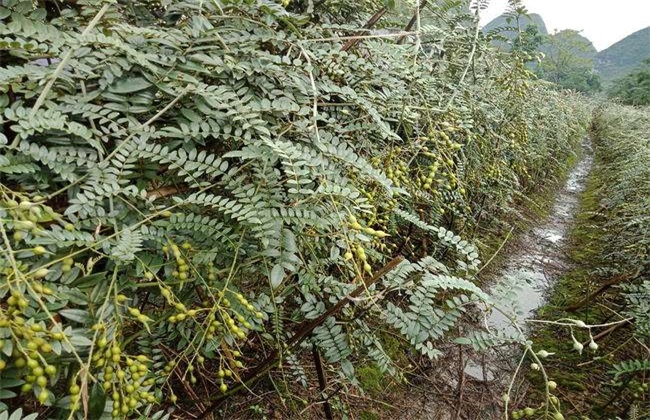
Mountain bean root seedling planting methods and key technical points
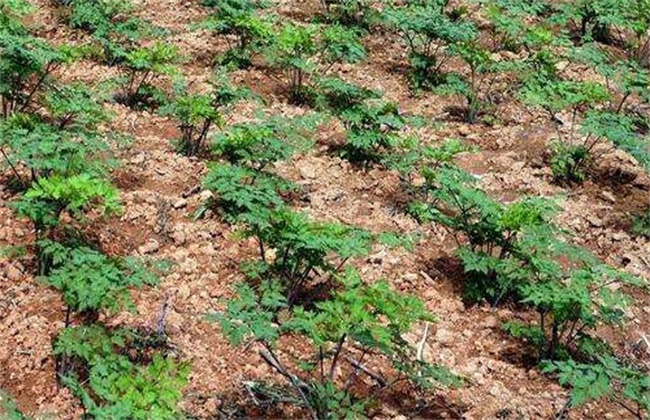
How to plant mountain bean root seedlings
-
Analysis of the Causes of Scrophularia Root Drying and Its Prevention and Control Methods
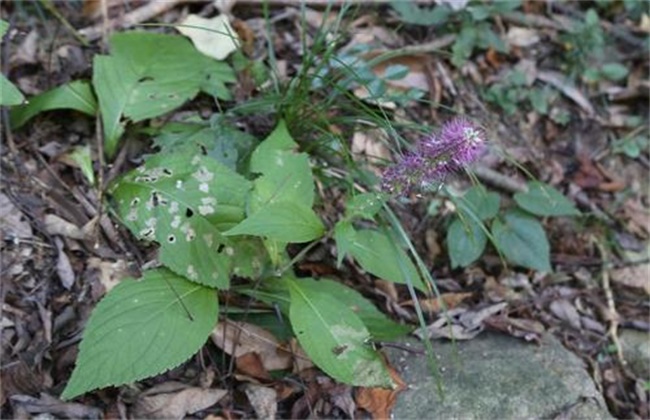
Causes of Scrophularia Root Drying and Prevention and Control Methods
-
What to Do About Angelica Root Rot? Cause Analysis and Prevention Methods
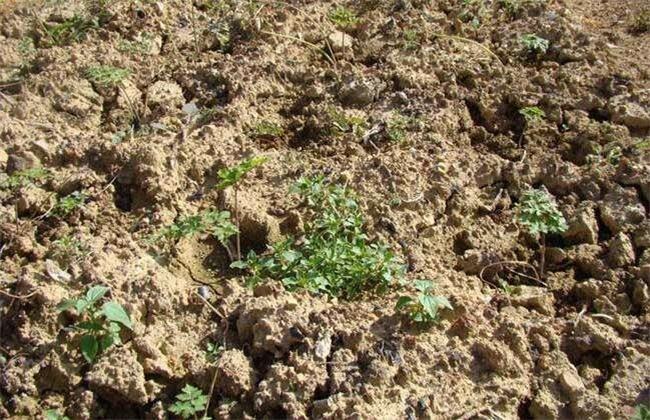
Causes of Angelica Root Rot and Prevention Methods
-
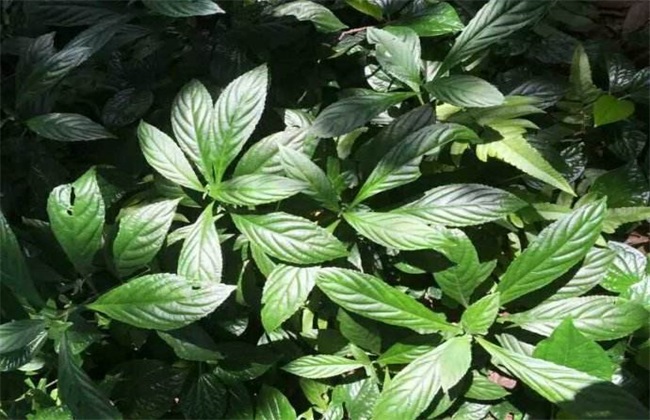
Detailed Explanation of Key Field Management Techniques for Isatis Root
Field Management Techniques for Isatis Root
-

-
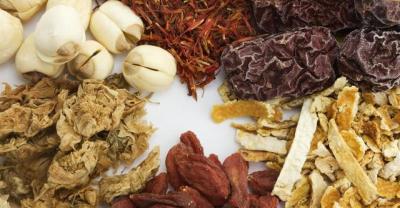
Baizhi (Angelica dahurica root) and mulberry leaf are common medicinal herbs in Beijing.
Baizhi is the root of the umbelliferous herb Angelica dahurica. The raw medicinal material is sun-dried and used fresh after slicing; Baizhi is warm in nature, pungent in taste, and enters the lung, stomach, and large intestine meridians. Its main functions are: ...
-

Control Methods and Technical Key Points for Angelica Root Rot
Angelica root rot, also known as root decay disease, is one of the main diseases during the growth and development period of angelica (Angelica sinensis), greatly affecting its yield and quality. 1. Damage symptoms: It harms roots and stems. The root tissue of affected plants initially turns brown, then rots into a water-soaked state, leaving only a fibrous hollow shell. The stem becomes brown and water-soaked, aboveground growth stops, and the plant becomes stunted. Elliptical brown patches appear on the leaves; in severe cases, the leaves wither, turn yellow, droop, and even the entire plant dies. 2. Pathogen: (Fusarium avenaceum (
-
Medicinal Plant Notoginseng (Tianqi) Fusarium Root Rot Explained in Detail
The scientific name of notoginseng is Panax notoginseng (Burk.) F.H.Chen, with the synonym Panax pseudo-ginseng Wall. var. notoginseng (Burkill) Hoo & Tseng. Also known as tianqi. It is a perennial herb of the Araliaceae family, using its rhizome, flowers and leaves as medicine, and has the functions of invigorating blood and removing stasis, reducing swelling and relieving pain, stopping bleeding and lowering blood pressure. It is a specialty of Guangxi and Yunnan in China, and in recent years many counties south of the Yangtze River and in Guangdong also produce it.
-
What to do when the medicinal plant Panax notoginseng gets root-knot nematode disease
Symptoms After the roots of Panax notoginseng are invaded by nematodes, the root cells are stimulated by the nematodes and produce tumor-like galls of varying sizes. Both the main root and lateral roots can become deformed and form galls. The small ones are 1-2 mm, and the large ones can turn the entire root system into a single tumor-like mass. After being infected for a longer time, the plant's branches and leaves turn yellow or fall off. Pathogen Meloidogyne incognita (Kofoid et White) Chitwood, called the southern root-knot nematode. The pathogenic nematode is sexually dimorphic, and the larvae
条件筛选