Cyclamen always getting root rot and yellow leaves? Once you dig it up, you'll see it was the method that was wrong
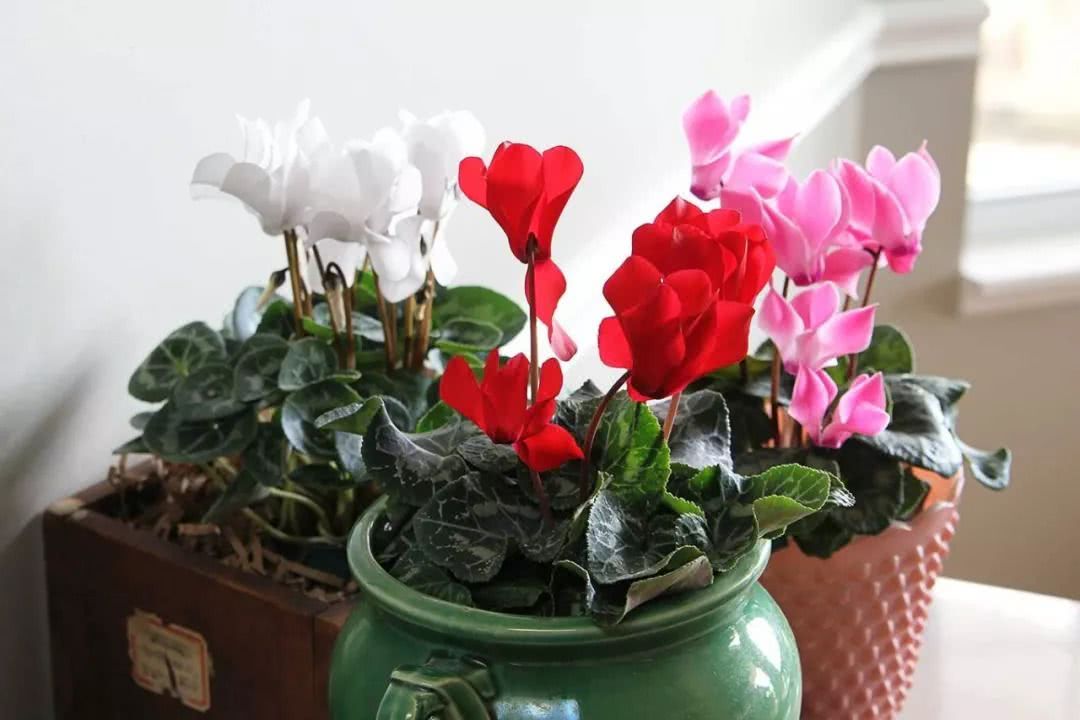
The first time I saw a cyclamen in a flower shop, I fell in love with it. It has a unique flower shape, and if you look closely, you'll notice the flowers look like rabbit ears, while the leaves are heart-shaped with variegated patterns. The whole plant looks very elegant, and even without flowers it is very appealing.
Some friends' cyclamens often show wilting stems and leaves and yellowing foliage. This is actually caused by not replenishing water in time, or by an unsuitable environment. You can improve things with the following care methods.
The environment for growing cyclamen should avoid excessive direct sun. A moderate amount of scattered light each day is enough for it to grow well. It fears intense sunlight; with too much sun, the stems and leaves are easily sunburned, and the leaves turn brown or white.
Cyclamen likes to grow in semi-shade. The growing spot should stay ventilated and bright, and avoid overly dark conditions.
Why does my cyclamen still wilt even though I water it regularly?
If you have repotted your cyclamen, dig up the root tuber and take a look, and you will find a swollen small tuber at the base of the roots. That is what it uses to store water, so that it does not wither when it goes dormant in the high summer heat.
The photo above shows the cyclamen tuber buried at the bottom of the pot
During cyclamen care, if you water without soaking through, the roots at the bottom cannot absorb water, and yellow leaves will still appear. If your cyclamen shows wilting stems and leaves due to lack of water, you can soak the potted cyclamen in a basin of water for 3~5 minutes, then put it in a ventilated spot to dry off the moisture, and it will soon recover. But this method cannot be used long term.
Caring for cyclamen also means learning to water correctly. It fears waterlogged soil, but during the growing season it needs the soil kept moist. Also, when watering, do not pour water on the center of the leaf crown or on the flowers, otherwise the flowers easily rot or the leaves develop black rot.
Cyclamen's flowering season is in winter and spring, and it is very popular around the Spring Festival. With proper care, cyclamen flowers can stay ornamental for about 3 months. The flowering period is very long, and the bright, charming flowers paired with the variegated leaves create a very fresh and beautiful display.
After temperatures turn a little cooler in autumn, cyclamen enters its growing season. At this time you can appropriately supplement with monopotassium phosphate, which helps promote flower bud formation. Generally apply a dilute fertilizer once every 2~3 weeks; the concentration must not be too strong.
Cyclamen grows vigorously in a cool, slightly moist environment, but in summer when temperatures are higher, its growth slows instead. During autumn care, avoid temperatures that are too high, otherwise it easily affects cyclamen's flower bud formation. In the hot, dry summer, cyclamen goes into dormancy. At this time its leaves easily turn yellow, and the stems and leaves easily wither. At this point you must avoid overwatering, otherwise the roots and tubers will rot.
In the hot, dry environment of summer, it is normal for cyclamen's stems and leaves to dry up and turn yellow. Don't worry. At this time you need to move it to a slightly shaded spot. You can spray water on the ground to cool things down, but the potting soil should be kept from getting damp. Maintain a suitable day-night temperature difference, and give just a little soft, scattered light each day.
After the weather turns cool in autumn, you can appropriately give cyclamen more light, as long as you avoid long periods of direct sunlight. A day-night temperature difference is best. Keep the minimum care temperature above 5 degrees, and a daytime temperature above 15 degrees is best.
After cyclamen flowers wither, remove the spent flowers promptly to avoid consuming too many nutrients. If you find leaves turning yellow or withering, prune them off promptly as well.
In spring and autumn, you can appropriately keep the soil moist, but you cannot let the soil get too wet. In summer, place the cyclamen in a cool, dry spot. As long as the tuber under the soil is fine, it doesn't matter if the stems and leaves turn yellow and wither.