How to prevent root burn and seed rot when raising cucumber seedlings in winter and spring
Winter and spring are seasons with low temperatures, short daylight, and weak light. These natural conditions are all important factors affecting the formation of strong seedlings. However, under current production levels, it is difficult to fundamentally solve them artificially, especially the light conditions. Therefore, in the winter and spring seedling-raising season, if management is improper, the cucumber seedlings will easily...
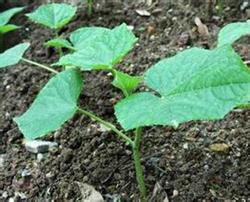 When raising cucumber seedlings in greenhouses in winter and spring, the temperature is low. If there is the slightest impropriety in fertilization, watering, or temperature and humidity management, it is very easy to cause phenomena such as seed rot, root burn, root drowning, and disease-related seedling death in cucumber seedlings. Measures must be taken for prevention and control.
Preventing seed rot: If continuous rainy or heavy snowy weather occurs after sowing, the seedbed soil has high moisture, emergence is delayed, and seed rot is easily caused. The prevention and control measure is to use a fermented hotbed or electric heating wire hotbed for seedling raising in cold air to increase the temperature inside the shed, or to use multi-layer covering to increase temperature, or to heat with a strong fire, and sow only after the seedbed temperature rises.
Preventing root burn: Applying undecomposed organic fertilizer into the seedbed, applying fertilizer unevenly, or applying too much mineral fertilizer can easily cause root burn when soil moisture is insufficient. The leaves and growing points of seedlings with root burn shrink, and the root system becomes withered, yellow, and weak; in severe cases, the whole plant wilts. The prevention and control measure is to apply decomposed, finely crushed organic fertilizer into the seedbed and mix it evenly with the seedbed soil. Apply less nitrogen fertilizer, and if root burn is found, water promptly.
Preventing root drowning: When seedbed soil moisture is above 90% and the temperature is below 10°C, the respiration and water absorption capacity of the cucumber root system are greatly weakened, and root drowning often occurs. The leaves of seedlings with root drowning wilt, and the roots turn yellow and rot. The prevention and control measure is to uncover the covering on sunny days, evenly spread a layer of fine dry soil or plant ash over the bed surface, and then cover it tightly immediately. This can both reduce seedbed soil moisture and increase temperature.
Preventing diseases: The main disease in the cucumber seedling stage is damping-off. The suitable soil temperature for pathogen reproduction is around 15°C, and the disease is likely to occur under high humidity and low temperature in the seedbed. The base of the hypocotyl of affected seedlings produces water-soaked dark lesions, which continuously expand around the stem, and finally the affected area contracts into a thread-like damping-off. The prevention and control measure is to strengthen temperature-increasing and humidity-reducing management of the seedbed to reduce opportunities for disease occurrence. After emergence, ventilate and harden the seedlings in time to improve the disease resistance of the cucumber seedlings. Remove diseased plants promptly when found, and use a mixture of equal amounts of 70% quintozene and 80% zineb powder, spreading 10 grams per square meter of seedbed, which can effectively prevent the occurrence of the disease.