-
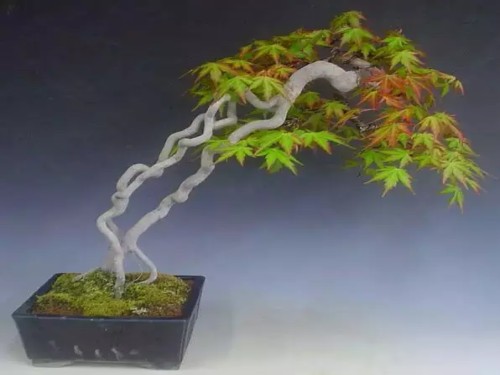
Detailed Explanation of the Correct Methods and Techniques for Exposing Roots in Bonsai
Roots are an important part of tree-stump bonsai; the distribution and shape of the roots directly affect the ornamental value of the bonsai. Through planned cultivation of the tree stump's roots, repotting, changing the soil, and changing the pot year by year, the roots are arranged during this process, the direction of root extension is controlled, and planting continues, gradually exposing the roots above the soil surface
-
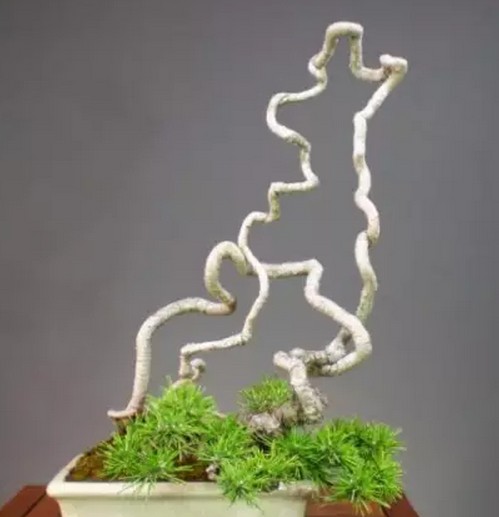
Detailed Explanation of the Method for Creating Exposed-Root Stump Bonsai
Roots are an important part of stump bonsai, and the distribution and shape of the roots directly affect the ornamental value of the bonsai. Through planned cultivation of the stump's roots, repotting, changing the soil, and changing the pot year by year, the roots are arranged during this process, the direction of root extension is controlled, and planting continues, gradually exposing the roots above the soil surface
-
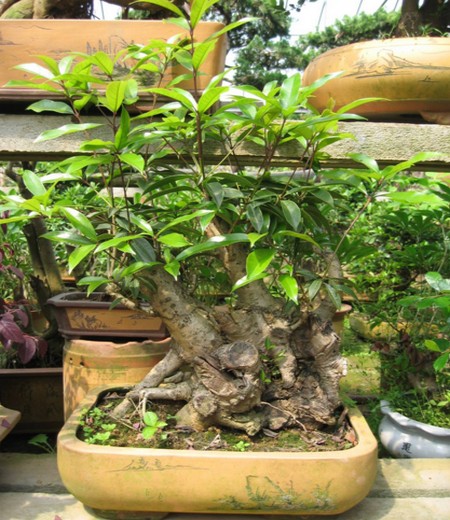
How to make an Osmanthus root-over-rock bonsai? Detailed method shared
The making of an osmanthus bonsai, in principle, requires a profound conception and composition; truly learning from nature; enhancing strengths and avoiding weaknesses to build momentum; combining movement and stillness with agility; being unified and harmonious to please the eye; perceiving the grand from the small; having appropriate density and sparseness; and having clear primary and secondary elements that catch the eye. The osmanthus root-over-rock bonsai inherits and carries forward the Lingnan school tradition, learning from nature, shrinking the dragon to an inch
-

What to use to disinfect sago palm root rot? Introduction to the correct treatment method
The sago palm not only has a thick trunk at its rhizome, but also a very developed root system. Generally, we need to prepare a large flower pot to grow it. However, the sago palm is relatively drought-tolerant and afraid of waterlogging, so overwatering easily causes root rot. When root rot occurs, we must take remedial measures in time.
-
How to deal with root rot in sago palm? Practical solutions shared
The sago palm, a landscape plant also known as the cycad, is famous for its slender, hard yet distinctive leaves. Not only that, the sago palm is a very ancient plant with a sturdy bulbous trunk; even small seedlings or young plants have plenty of character. Although it is as hard and resolute as iron
-
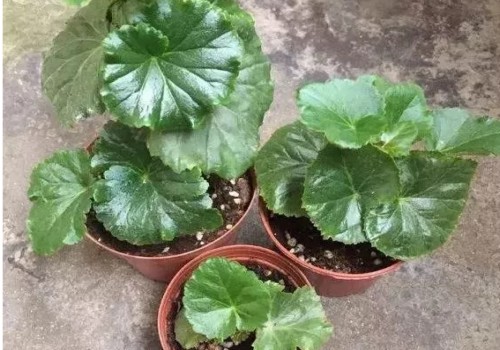
What to Do When Rieger Begonia Roots Rot? Detailed Treatment Methods
Rieger begonia (Begonia × hiemalis) is a very popular flowering plant, not only for its beautiful blooms but also for its lush, large green leaves. Grown as a potted plant, it has very high ornamental value. Moreover, the flowering period of Rieger begonia is also very long; as long as the potted environment is suitable and proper care is given, it can even bloom all year round.
-
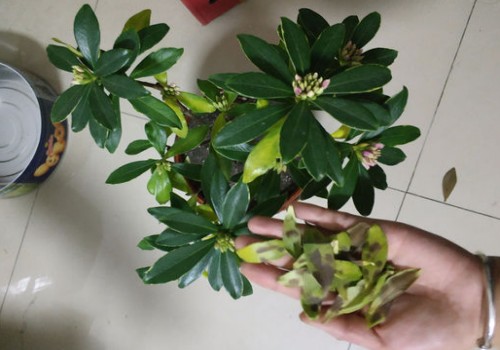
What causes root rot in winter daphne (Daphne odora)?
Winter daphne blooms beautifully and has a rich fragrance, and it is also shade-tolerant and prefers partial shade, so it is very suitable for growing indoors as a potted plant. As long as it gets enough scattered light, it will not grow poorly from lack of light. But the roots and stems of winter daphne are fleshy, so root rot happens very easily.
-
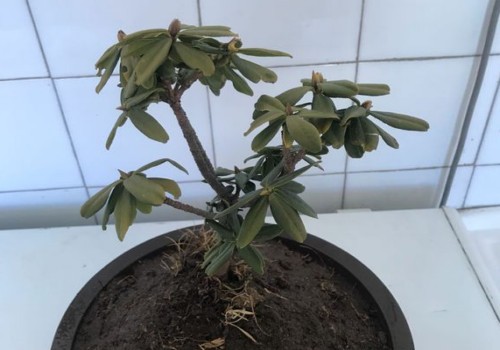
How to Remedy Root Rot in Daphne Caused by Overwatering
Daphne (Daphne odora) is a flowering plant with very high ornamental value and an especially intense fragrance. Because it is fairly shade-tolerant and prefers a semi-shaded growing environment, many gardening enthusiasts like to grow it as a potted plant indoors to decorate their home or simply to enjoy. However, the roots and stems of daphne are fleshy in nature
-
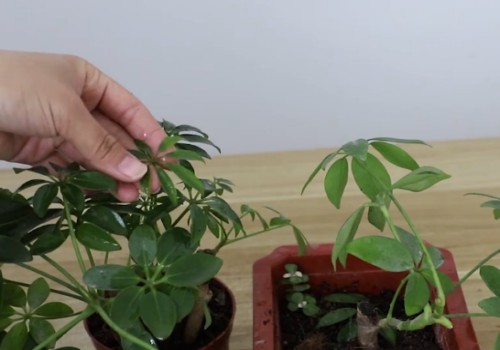
What Are the Symptoms of Root Rot in Umbrella Tree (Schefflera)?
Umbrella tree, also known as Schefflera, gets its name because its leaves closely resemble duck feet or goose feet, and it is an evergreen shrub very well suited to foliage potted plants. Although the umbrella tree has high ornamental value, many plant enthusiasts still run into situations such as leaf drop and blackened, rotting leaves during actual care. In fact,
-
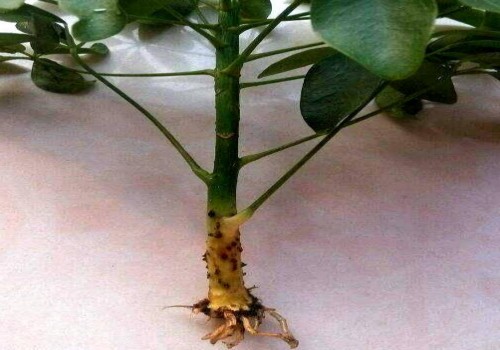
How to prevent root rot in Schefflera arboricola? These methods you need to master
Schefflera arboricola is evergreen all year round, with uniquely shaped leaves, and has extremely high ornamental value and greening and beautifying effects. Although Schefflera arboricola is relatively drought-tolerant and also likes a moist growing environment, it is not tolerant of waterlogging. If watered excessively, water accumulation in the pot will inhibit root respiration, thereby causing root rot
条件筛选