What to Do When Rieger Begonia Roots Rot? Detailed Treatment Methods
Rieger begonia (Begonia × hiemalis) is a very popular flowering plant, not only for its beautiful blooms but also for its lush, large green leaves. Grown as a potted plant, it has very high ornamental value. Moreover, the flowering period of Rieger begonia is also very long; as long as the potted environment is suitable and proper care is given, it can even bloom all year round, making it a rare plant with long-lasting flowers to enjoy.
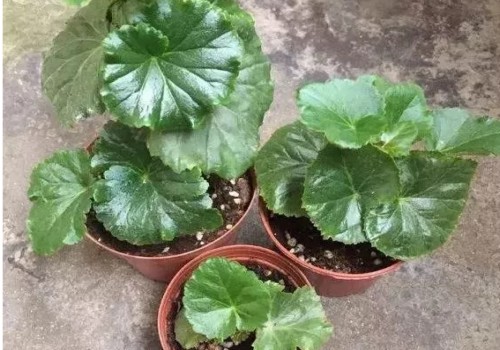
But to successfully grow Rieger begonia in pots, we also need to understand its nature and then carry out scientific management. Rieger begonia prefers a warm, humid, well-ventilated, and well-lit growing environment, but it is also intolerant of water and afraid of waterlogging. If watered too much and humidity is too high, it is not only prone to root rot but also more likely to cause leaf rot and stem rot.
For potted Rieger begonia, root rot is quite fatal. It is generally caused by high temperature and high humidity combined with poor ventilation, which creates a stuffy environment, causing root suffocation and black rot of the roots. Once the root rot is severe, there is basically no chance of saving the plant. Even if it barely survives, its growth will certainly be poor, because the roots are the foundation and basis of Rieger begonia's growth; if the roots and foundation are damaged, the plant is naturally difficult to save.
But nothing is absolute, and the same applies to potted Rieger begonia. If the root rot is relatively mild, we only need to dig it out, trim the roots, disinfect them, and then repot it with fresh soil. Even when the root rot is severe, we still have ways to let it continue living. Today, I will explain the treatment methods for Rieger begonia after root rot.
Actually, the treatment method is very simple. Although Rieger begonia often develops root rot due to water accumulation in the pot or excessive humidity, most of the stems and leaves are relatively healthy at the beginning, and some stems are even quite robust. So we can cut these healthy stems for cuttings to propagate new potted plants. In this way, even when Rieger begonia suffers root rot, we can let it continue its life. And as long as we manage it well later, we can also obtain a Rieger begonia potted plant with pleasing growth and beautiful blooms.
Moreover, Rieger begonia roots very easily from cuttings. You only need to cut healthy branches without buds or flowers from the root-rotted plant, place them in a cool, ventilated spot to let the wounds dry, and then they are ready for cuttings. After the wounds have dried and closed, insert the base into loose, breathable, pre-moistened pine needle soil, or a mixed medium of leaf mold and perlite, or even clean coarse sand.
Before the cuttings root, you only need to spray a little water occasionally to keep the medium moist. After rooting, place a tray with an appropriate amount of clean water under the pot. Then the water in the tray will seep through the drainage hole at the bottom of the pot and moisten the medium inside, which effectively maintains moisture without excess water. Not only that, we can even cut healthy leaves for leaf cuttings. The method is similar to stem cuttings, and it can also produce Rieger begonia potted plantlets.