What causes root rot in winter daphne (Daphne odora)?
Winter daphne blooms beautifully and has a rich fragrance, and it is also shade-tolerant and prefers partial shade, so it is very suitable for growing indoors as a potted plant. As long as it gets enough scattered light, it will not grow poorly from lack of light. But the roots and stems of winter daphne are fleshy, so root rot happens very easily. When winter daphne suffers root rot, symptoms such as yellowing leaves, wilting and leaf drop often appear. So what is going on with winter daphne root rot?
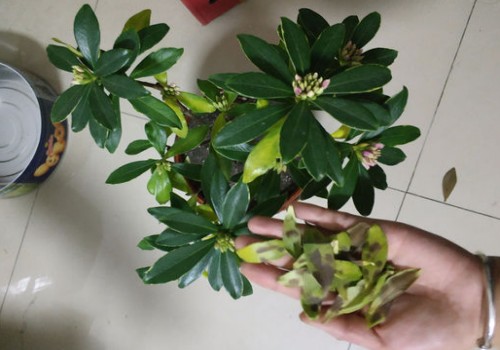
As everyone knows, succulents also have fleshy roots and stems and are drought-tolerant but not water-tolerant, so overwatering easily causes root rot. Winter daphne is the same. Although it rather likes moisture, it is not water-tolerant, and overwatering will still cause root rot, especially when the environment has poor ventilation and the temperature is relatively high, root rot is even more likely.
Root rot in winter daphne caused by overwatering is the same as in many flowering plants, so people are generally quite careful about watering. But besides improper watering easily causing root rot, there may also be other reasons. For example, fertilizing: if we use fertilizer improperly, especially at too high a concentration, it is also relatively easy to cause root rot. After all, the root system of winter daphne is fleshy, and under the stimulation of concentrated fertilizer, the roots of the plant will be burned.
Not only does directly applying excessive concentrated fertilizer easily cause root rot, but sometimes using organic fertilizer that has not been fermented and decomposed also easily causes root rot. This is because after organic fertilizer that has not been fermented and decomposed is buried at the base of the plant, especially if it is too close to the root system, it releases a large amount of heat during fermentation and decomposition, which easily burns the plant's roots and therefore also leads to root rot.
Of course, sometimes our water and fertilizer management is normal and light and temperature are also guaranteed, but root rot can still occur. What is going on here? As everyone knows, winter daphne generally needs repotting once after being grown in a pot for 2-3 years. If during the repotting process the plant's roots are accidentally injured and no timely sterilization and disinfection is done, infection easily occurs after potting when water and fertilizer are applied, so root rot is likewise relatively easy to cause.
Therefore, when caring for winter daphne in ordinary times, we must manage it strictly according to scientific methods. Not only does the growing environment need sufficient light, suitable temperature and smooth ventilation, but humidity must also be adequate. Watering should be timely but not excessive, following "water when dry, stop when wet", and fertilizing should also be reasonable, with concentration especially well controlled. If winter daphne is grown in a pot this way, the plant generally will not suffer root rot.