-
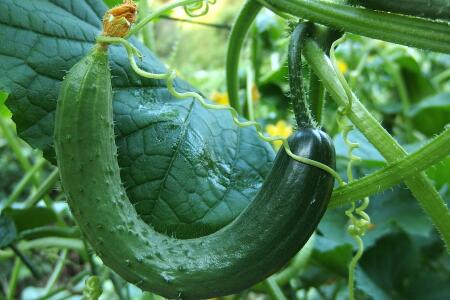
Symptom Identification and Control Methods for Aphids and Root-Knot Nematodes in Cucumbers
Cucumber is a widely grown annual climbing or trailing herbaceous plant of the Cucurbitaceae family, and during its growth it is highly prone to two pests: aphids and root-knot nematodes. Below is an introduction to the symptoms and control methods for these two pests. Symptoms and control methods for aphids. Main symptoms: aphids, also known as plant lice
-
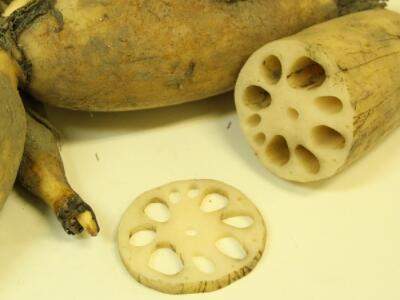
Causes and Control Methods of Soft Rot in Lotus Root, Lettuce, and Romaine Lettuce
Lotus root, lettuce, and romaine lettuce are three crops prone to soft rot during production. So what are the causes, and what control methods are available? Let's take a look below. Causes and control methods of lotus root soft rot. Causes: 1. It is a fungal disease.
-

Cymbidium orchids stay evergreen year-round - what should you do if the roots rot?
What to do when a Cymbidium orchid's roots rot - this is a plant that can stay evergreen through all four seasons
-
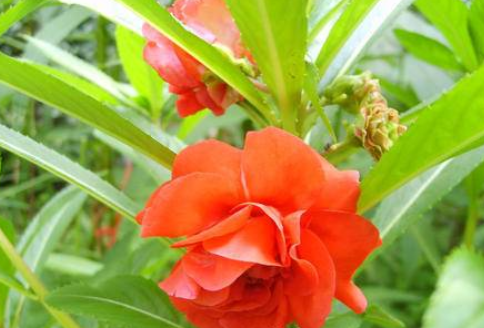
What to Do About Root Rot in Impatiens? Practical Solutions Shared
Root rot in impatiens, caring for flowers, requires good ventilation, suitable light, and moderate temperature. If during the hot summer season, after rain comes muggy heat, and the impatiens is not given good ventilation, the root system is extremely prone to rotting. Impatiens likes sunlight, fears dampness, tolerates heat but not cold, and thrives in loose, fertile, slightly acidic soil.
-
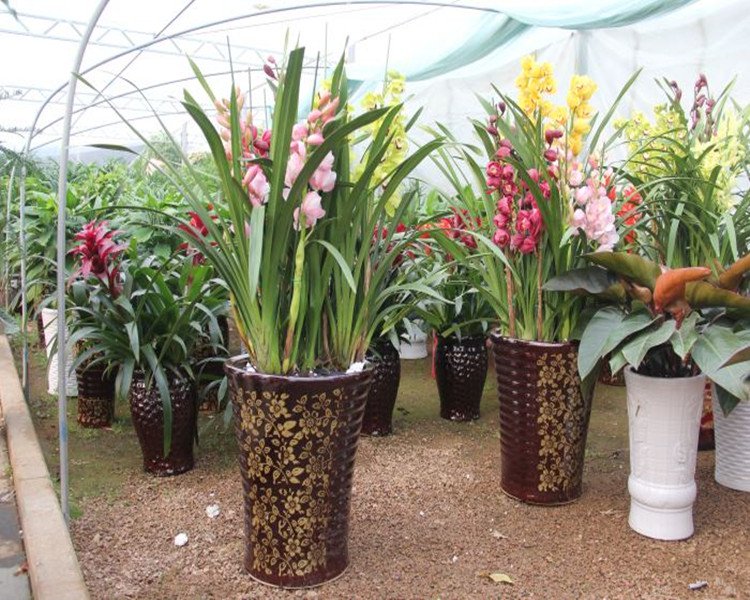
What to Do When Cymbidium Roots Rot? A Few Rescue Methods to Teach You
Cymbidium is a plant that stays evergreen all year round and is very well suited to indoor growing. Cymbidium is an orchid with axial growth, so when choosing a pot you need to pick a tall cylindrical one, the growing environment must have good ventilation, and charcoal and other drainage-friendly material should be added at the bottom of the pot.
-
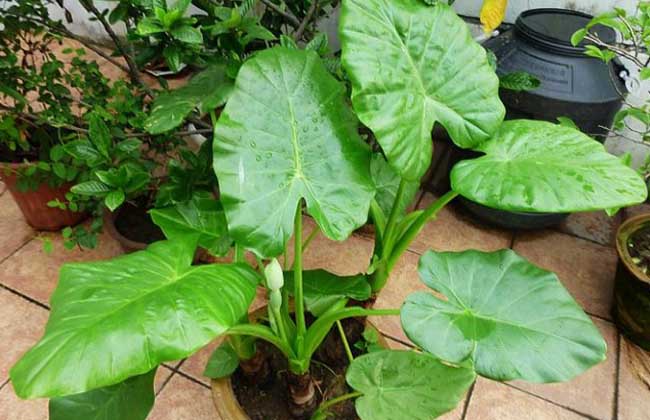
What to Do When Alocasia (Dumb Cane) Leaves Turn Yellow and Roots Rot? Causes and Solutions
When Alocasia leaves turn yellow, dry soil and lack of water can easily cause the leaves to wilt and turn yellow. Solution: During the vigorous growth period from May to September, water once every 2 days, and at the same time, spray more water on the plant surface to increase humidity. In a water-rich, moist environment, Alocasia drips water from its leaf tips and edges
-
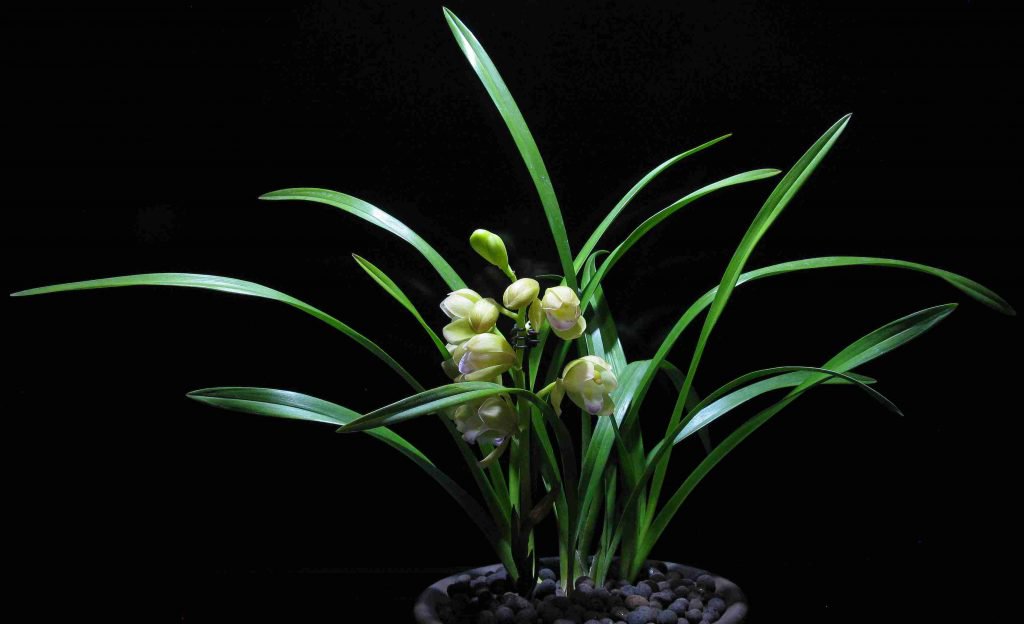
What to Do When Orchid Roots Rot? A Detailed Guide to Remedies and Treatment
What to do when orchid roots rot: choose and mix a good orchid growing medium. The orchid growing medium must drain well and allow air through, moist but not waterlogged, dry but not parched. There are many special orchid growing media on the market today, and they are very suitable, such as Emei Mountain soil from Sichuan and expanded clay from Chongzhou; these all suit the habits of orchids well. Most orchids are not cold-tolerant and prefer cool shade
-
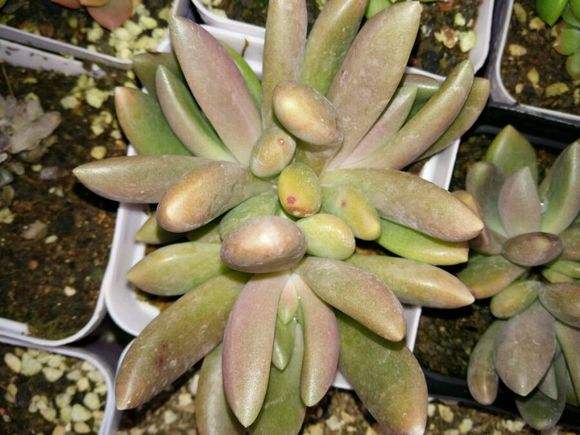
How to Deal with Root Rot and Yellowing Leaves on a Money Tree
Let the money tree become a bare trunk, then dig it out of the ground and place it in a semi-shaded spot to dry naturally for 1-2 days, so the trunk becomes soft and easy to bend. Braiding the money tree is very important and greatly affects its later growth; if you are not careful, yellowing leaves on the money tree can easily appear
-

What to Do About Root Rot in Nasturtium? Cause Analysis and Treatment Methods
How to deal with root rot in nasturtium: beheading and cuttings. For nasturtiums whose root rot is severe and has already caused leaves to turn yellow and drop, or that have already begun to wilt, you can try beheading and cuttings to re-cultivate the plant. Nasturtium is a plant of the family Tropaeolaceae and the genus Tropaeolum, a perennial semi-trailing or prostrate plant.
-
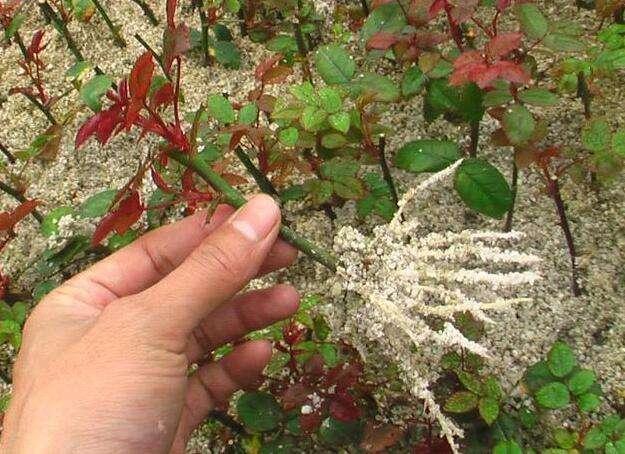
Add these medicines when watering your flowers: no root rot, no yellow leaves, and vigorous blooming
People take medicine when they catch a cold, and sometimes they buy too much and it expires. In fact, these expired little pills can also be used to grow flowers. Today Hua Ye will introduce a few tips for using little pills to grow flowers! Aspirin for growing flowers: aspirin contains salicylic acid, which can promote root growth
条件筛选