-
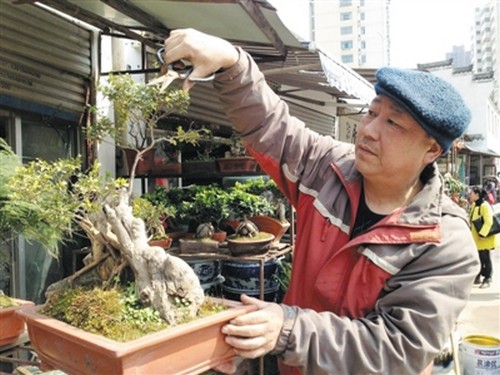
How to Prune Azalea Bonsai? Detailed Pruning Methods and Techniques
Pruning and shaping is an important measure in daily maintenance and management work, as it can regulate growth and development, thereby promoting vigorous growth. Daily pruning requires cutting off a small number of diseased branches and weak old branches, and removing some overly dense branches according to the tree crown shape to increase ventilation and light penetration, which benefits plant growth. For azalea gardens, frequent inspections are necessary
-
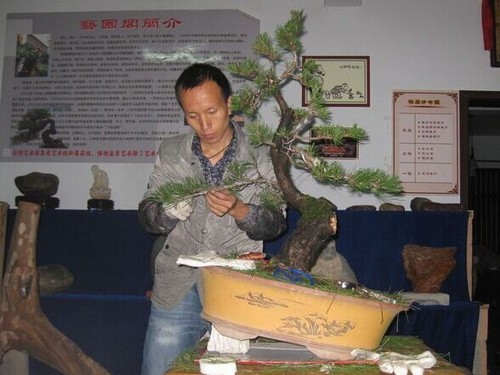
A Detailed Guide to the Pruning and Styling Methods for Black Pine Bonsai
The pruning and styling of black pine bonsai is mainly achieved through pruning and wiring; methods such as grafting and forcing buds on young shoots can only serve as auxiliary techniques. The black pine to be styled must have already been cultivated for 1-2 years: the best time for styling is from December to February of the following year.
-

Detailed Explanation of the Key Techniques for Pruning and Shaping Chinese Hackberry (Celtis sinensis) Bonsai
Chinese hackberry is commonly found growing wild beside hillside streams and valleys in the hilly and low-mountain areas of the Yangtze River basin and regions to its south. Ancient, curiously shaped old sprout-origin stumps that have been cut back for many years can be collected and grown on to develop their root system. Through pruning, root development is encouraged and new shoots are stimulated, after which the tree is shaped and cultivated; after 12 years, it is then potted up and worked on further.
-
Detailed Explanation of the Key Techniques for Pruning and Shaping Osmanthus Bonsai
Osmanthus bonsai inherits the technical characteristics of various schools, mainly adopting techniques such as compressing the dragon into inches, trunk chopping and branch accumulation, coarse wiring and fine pruning, root lifting and claw exposure, and controlling the top to promote the bottom. The tree forms are mainly curved-trunk style, slanted-trunk style, or flowing style, with the tree inclined and spreading, dense branches and leaves, simple and natural, most worthy of appreciation, and when in bloom, rich fragrance fills the air
-
How to prune stump bonsai? A detailed guide to the correct pruning method
Bonsai trees are still growing continuously. If they are allowed to grow naturally without suppression, it will inevitably affect the tree's shape and cause it to lose its artistic value. Therefore, timely pruning is necessary: long shoots should be cut short, and dense shoots should be thinned out, so as to maintain a graceful tree shape and appropriate proportions. Tree bonsai often produce many new branches, and to maintain their attractive shape
-
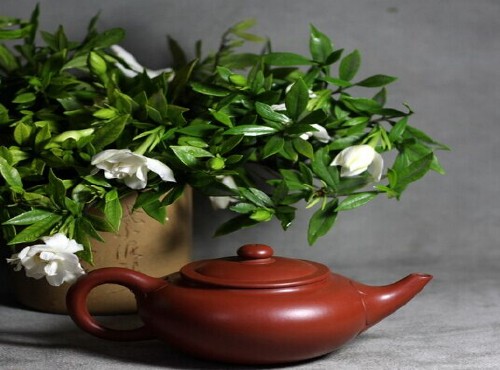
A Detailed Guide to Pruning and Shaping Gardenia
The gardenia is native to the provinces and regions south of the Yangtze River basin in our country. It likes warmth and humidity, is fairly cold-tolerant, with an optimum growing temperature of 18-28°C, and winter temperatures not lower than -10°C. It likes light but also tolerates partial shade; direct strong sunlight, high temperatures plus overwatering easily cause yellowing of the lower leaves, and even the death of the whole plant
-
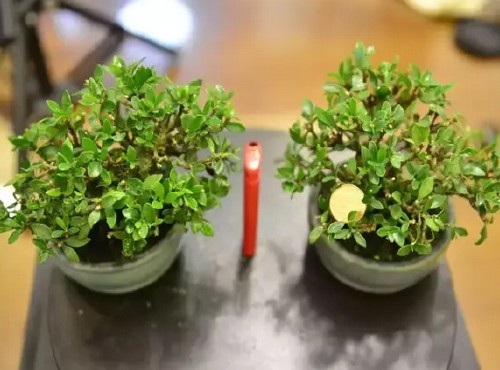
Detailed Guide to Leaf-Control Pruning Methods for Gardenia Bonsai
Gardenia is a fairly easy bonsai species to get started with. It tolerates pruning well, full sun is no problem, and growing it in shade rarely causes major issues (it just grows poorly). It tolerates waterlogging, so heavy watering and heavy feeding are fine, and a bit of dryness is fine too. When it comes to Japanese shohin bonsai, players generally choose it for 2 reasons. First, the cultivars are impressive, so they play for the cultivars. Second
-
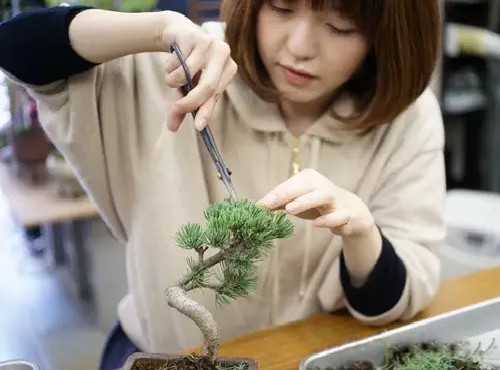
Detailed Explanation of Pruning Methods and Techniques for Small-Scale Bonsai
Pruning of small-scale bonsai is synonymous with the means of shaping bonsai trees. Although there are also techniques such as wiring, pulling and hanging, guy-wiring, carving and grafting, they are often conventionally grouped under pruning. As the main means of bonsai shaping, it not only integrates related techniques
-
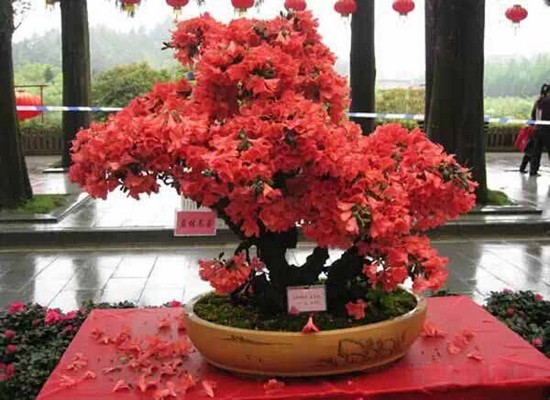
Detailed Explanation of the Key Techniques for Pruning and Shaping Azalea Bonsai
Azalea bonsai is a work of art, and in pursuing its artistic character, attention must be paid to the perfect combination and full display of roots, trunk base, trunk, and branches. Generally speaking, the roots and trunk base of azalea bonsai are difficult to change, but the application of branch techniques still offers ample room for expression
-
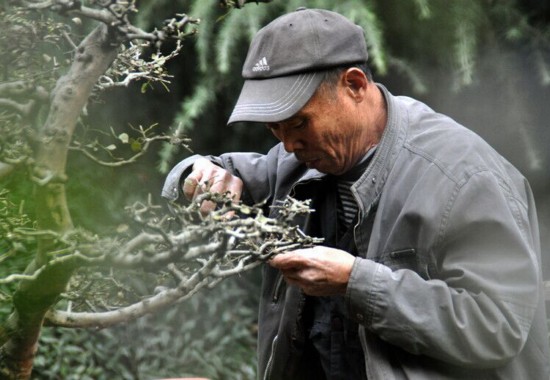
Detailed Explanation of the Key Points of Stump Bonsai Pruning Techniques
Stump bonsai is a living work of art created by planting old woody plants in pots and, through years of artistic processing such as pruning, wiring and fertilizing, along with meticulous management, giving the trunk rugged strength and the branches and leaves lush green foliage. It does not take its final form from the initial artificial styling, but instead grows and changes continuously according to natural laws, therefore
条件筛选