-
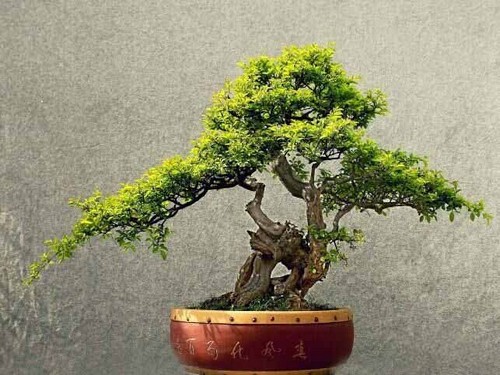
How to prune a Chinese sweet plum bonsai? Detailed pruning methods and techniques
In gardens, the Chinese sweet plum can be used as a hedge or vertical greening material, and it is also suitable for planting among rocks. This plant is extremely adaptable and not demanding about soil; it can adapt to acidic, neutral and calcareous soils, and it is drought-tolerant, tolerant of waterlogging and tolerant of poor soil.
-
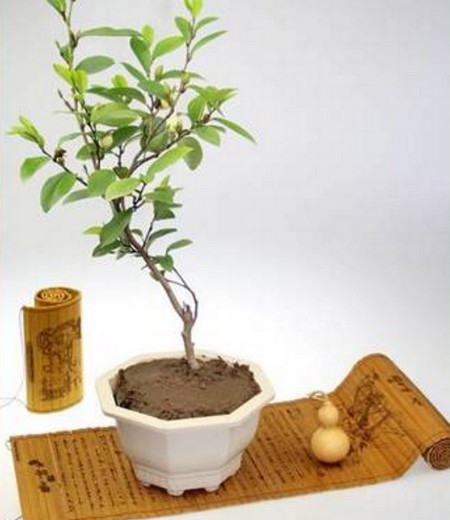
Detailed Guide to Pruning Methods for Banana Shrub (Michelia figo) Bonsai
Banana shrub (Michelia figo) prefers light shade, is not tolerant of drought or exposure to the sun, favors deep, fertile, acidic soil, can withstand cold, and is best planted in a slightly sheltered spot. The fertilizer and water management for potted banana shrub is similar to that of wintersweet (Chimonanthus praecox), except that it is more shade-tolerant than wintersweet and requires higher air humidity and soil moisture. When the temperature is high, its flowers give off a strong banana scent.
-
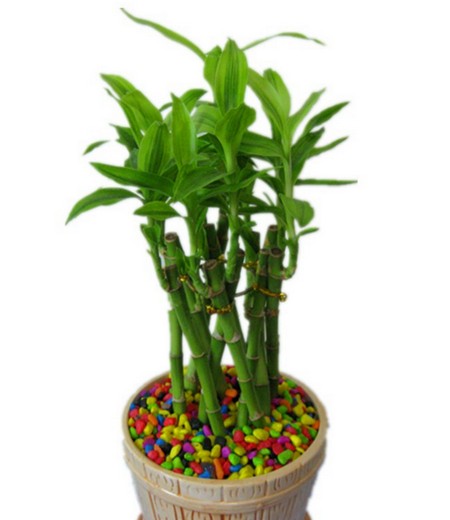
Pruning Methods and Precautions for Lucky Bamboo Grown in Water
Lucky bamboo is also called wan shou bamboo. The plant stands tall and graceful, fresh and green, with lance-shaped green leaves that spread out freely, and its appearance is very elegant. Its stems and leaves closely resemble emerald bamboo, staying green through winter and summer. If grown as a potted plant to decorate a hall or study, its green shadows sway and it looks fresh and serene, bringing people a sense of good fortune.
-
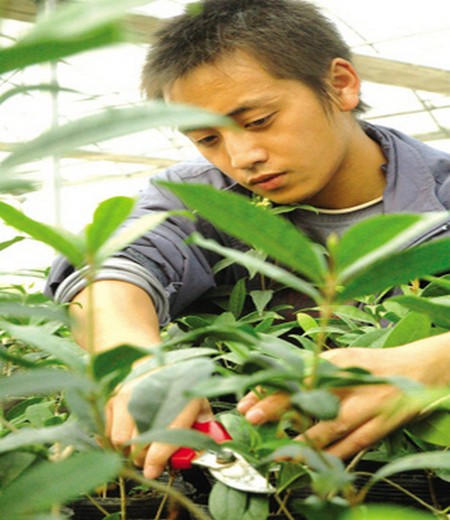
How to Prune a Osmanthus Bonsai? A Detailed Guide to the Key Pruning Techniques
Pruning is extremely important for enhancing the ornamental value of potted osmanthus. Pruning, especially heavy pruning combined with comprehensive water and fertilizer management, has a very good regulating and promoting effect on improving the growth of aging potted osmanthus. It can reconcile the contradiction between the height of potted plants and the height of the greenhouse
-
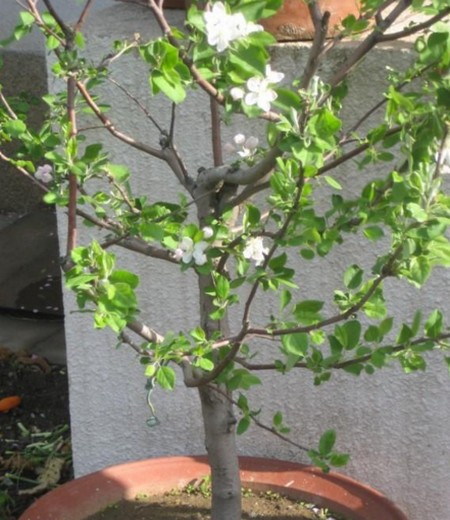
How to prune a potted plum tree? Detailed guide to bonsai pruning techniques for plum trees
The pruning shape of a potted plum tree should not only favor fruiting but also have an aesthetic effect, enhancing its ornamental value. Usually, the natural round-headed shape and the pagoda shape are the main forms, though you can also shape it into a favorite tree form according to personal preference, such as the cascade style or the curved-trunk style. After potting
-

What are the pruning methods for juniper bonsai?
Juniper, as the name suggests, is a cypress with truly excellent qualities and the most beautiful variety, regarded as the king of cypresses in the Japanese bonsai world and deeply revered. According to reference materials, the juniper commonly seen in bonsai circles is actually a variety of alpine juniper, and most are deep-mountain junipers. Juniper is one of the excellent materials for making bonsai, with dense branches and fine leaves
-
Bonsai pruning methods vary according to the characteristics of the plant
Although bonsai trees have undergone intentional shaping by people, they have still not lost their life and will continue to grow. If not pruned, they will inevitably affect the tree's form and lose their artistic value. Therefore, timely pruning is necessary: long branches should be cut short, and dense branches should be thinned out, so as to maintain a graceful tree form and appropriate proportions.
-
Detailed Guide to Pruning Dahlia Bonsai
Even the most beautiful flowers can grow lopsided, so you need to learn how to prune. For pruning potted dahlias, you should prune flexibly according to the variety. Generally, large varieties use the single-stem training method, while medium varieties use the four-stem training method. Single-stem training means keeping the terminal bud and removing all axillary buds so that nutrients are concentrated.
-
Detailed Explanation of Pruning and Wiring Techniques for Pyracantha Bonsai
Pyracantha has extremely strong vitality; old stumps collected in the wild can have an age of over a hundred years. The branches have strong budding ability but weak branching ability, meaning that in spring almost every bud sprouts, but only the top 12 buds grow into long branches of more than 45 cm. First-year new branches are flexible and can be wired at will; even if a slight creaking sound is heard, there is no great harm.
-
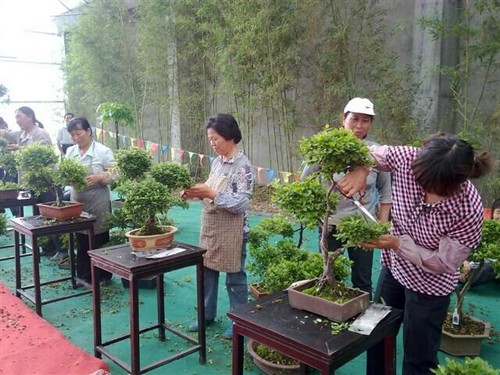
Detailed Explanation of the Key Techniques for Pruning and Shaping Azalea Bonsai
Azaleas have strong sprouting and regenerative ability. Every 1-2 years after the flowers fade, they should be repotted into a pot slightly larger than the original one, along with fresh potting soil. Experienced growers often combine repotting with pruning and shaping, deliberately training an attractive tree form. When pruning,
条件筛选