-

A Detailed Guide to Practical Techniques for Cutting Propagation of Japanese Yew (Taxus cuspidata)
Japanese yew, also known as yew, red cypress pine, and vermilion tree, is a tree or large shrub of the Taxaceae family. Its bark is reddish-brown, thin, with shallow fissures. The leaves are arranged irregularly on two sides, slightly sickle-shaped, dark green on the surface, with two gray stomatal bands on the underside. One-year-old branches are smooth and hairless, dark green. It can reach a height of 20 m and a diameter at breast height of 1 m. The crown is ovate, broadly ovate, or triangular-ovate, with densely growing branches. The seeds are purplish-red, ovate, with a fleshy aril. The flowering period is May to June, the fruit ripening period is October, and the lifespan is 200 to
-
How to Store and Preserve Fresh Peaches? A Detailed Guide to Practical Techniques
I. Cold storage. Peaches are prone to cold injury during low-temperature storage, and there is a risk of freezing at -1°C. Therefore, the suitable storage temperature for peaches is 0°C, and the suitable relative humidity is 90%-95%. Under these storage conditions, peaches can be stored for 3-4 weeks or longer. However, when peaches are stored at low temperature for a long time, the flavor gradually becomes bland. Long-term low-temperature cold storage will cause cold injury to the peaches, with browning of the flesh. In particular, when the peaches are moved to a high-temperature environment for ripening, the flesh becomes dry, mealy, and soft, and the flesh around the pit clearly
-
How to Grow Radicchio? A Detailed Guide to Practical Cultivation Techniques
Radicchio is a perennial herbaceous plant of the genus Cichorium in the Asteraceae family, originating from the coastal regions of the Mediterranean, Central Asia and North Africa. It is widely grown in European and American countries, with bright colors and rich nutrition, and its taste is much more bitter than that of blanched chicory. Radicchio is a semi-hardy vegetable that prefers a cool, humid climate. Its product is a red head of leaves. Radicchio generally yields 1000-2000 kg per mu, with a single head weighing 0.25-0.5 kg, up to a maximum of 2 kg. During the growing period of radicchio, from the seedling stage to the rosette stage, relatively high
-
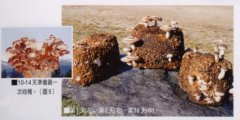
Practical Shiitake Cultivation Techniques and New Fast-Growing, High-Yield Technology
The scientific name of shiitake is Lentinus edodes. It is a low-calorie food; eating 50 grams of shiitake per day provides only 15 calories. Its protein and fiber content is also high, and it is rich in calcium. In addition, shiitake contains two components that have been proven to have medicinal effects, namely shiitake mycelium extract (LEM) and lentinan, both of which are currently sold as commercial products.
-
Practical Techniques for Shiitake Cultivation and New Techniques for Fast-Growing, High-Yield Production
The scientific name of shiitake is Lentinus edodes. It is a low-calorie food; eating 50 grams of shiitake per day provides only 15 calories. Its protein and fiber content are also high, and it is rich in calcium; in addition, shiitake contains two components that have been proven to have medicinal effects, namely
-
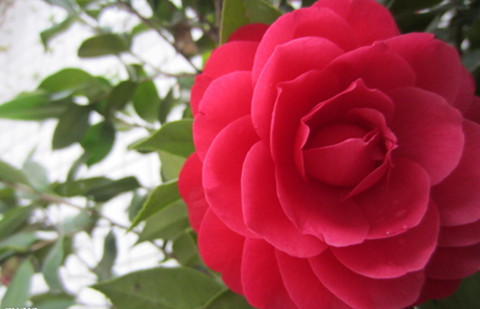
A Complete Guide to Practical Camellia Winter Care Techniques
Many camellia growers do not know how to care for camellias in winter. Camellias have a certain cold resistance; camellias planted in the ground in the difficult Yangtze River region can overwinter successfully, and as long as the roots are not damaged by freezing, growth in the second year is generally unaffected. When the temperature drops to 0 degrees Celsius
-

How to Fertilize Welsh Onions for High Yields? A Detailed Guide to Practical Techniques
High-Yield Fertilization Techniques for Welsh Onions
-

How to Plant Wild Sweet Potato? A Detailed Guide to Practical Cultivation Techniques
Cultivation Techniques for Wild Sweet Potato
-
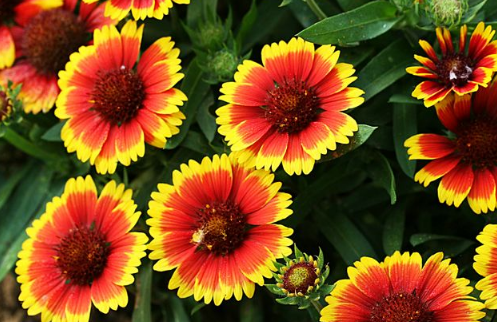
What are the propagation methods for Gaillardia? A detailed guide to practical propagation techniques
Cuttage propagation Cuttage propagation is also a relatively simple propagation method. The material to be selected for cuttage is called a cutting, and the cutting is usually the top shoot that grows well and is free of pests and diseases. The temperature during cuttage should be kept between 18°C-25°C. The cut end of the cutting should be disinfected; if the temperature is too high, it can also easily cause infection of the cut end
-
How to propagate Phalaenopsis orchids? A detailed guide to practical propagation techniques
1. Flower stalk bud induction: After the flowers fade, small plantlets may very likely grow on its flower stalk. Cut off these plantlets and plant them, and they will grow into new plants. We can also induce budding on its flower stalk ourselves. First, we can remove the spent flowers from the flower stalk and disinfect it
条件筛选