How to grow Chinaberry seedlings? A detailed guide to practical seedling-raising techniques
Chinaberry (Melia azedarach) is not only a timber raw material but also a medicinal plant. Its flowers, fruits, leaves and root bark can all be used as medicine, but when using Chinaberry you must follow medical advice, otherwise it can cause poisoning. When we grow Chinaberry we all need to raise seedlings, so how should Chinaberry seedlings be raised? Do you know how to cultivate Chinaberry seedlings? Below is the seedling-raising technique for Chinaberry that the editor wants to share with you today. If you are interested, please keep reading.
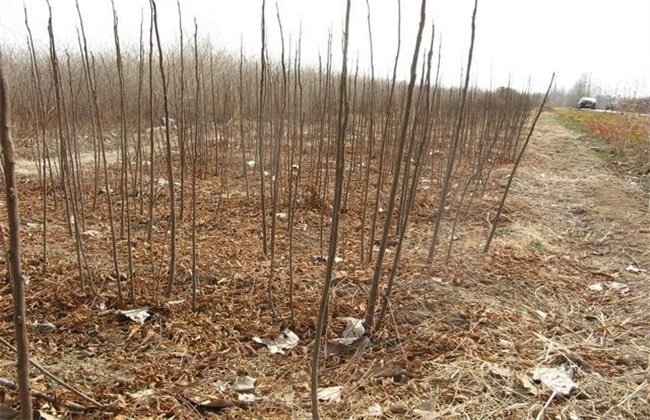
1. Seedbed preparation
Chinaberry has the characteristics of preferring warmth, being intolerant of cold, liking sunlight, being intolerant of shade, being intolerant of drought, being intolerant of waterlogging, and having strong adaptability. We must decide the choice of seedling site according to its growth characteristics, so that the Chinaberry seedlings cultivated will be of better quality. Generally, we choose soil with moderate pH, sufficient organic matter content, sufficient fertility, good drainage, facing the sun, and convenient irrigation. First we need to carry out shallow plowing in spring, then deep plowing in autumn. During spring plowing, about 3 jin of phoxim granules per mu need to be added to kill insects. Land preparation should be combined with the application of base fertilizer. The base fertilizer per mu is 5,000 kg of farmyard manure and 100 jin of phosphate fertilizer. After the base fertilizer is applied and mixed evenly, make the seedbed. The seedbed is 1 m wide and 15 cm high, and drainage ditches should be dug around it.
2. Promoting germination and sowing
Sowing in spring requires germination-promoting treatment, otherwise the seedlings emerge extremely slowly, generally taking one to two months. About half a month before sowing, sun the Chinaberry seeds for two days, then soak them in warm water at about 80 degrees for 24 to 48 hours and then remove them. After removing them, put the seeds into wet sand and mix, cover the warm bed with plastic film to promote germination, and generally after about ten days they are almost ready for sowing. Before sowing, the seeds also need to be soaked in a medicinal solution for two to three minutes, then rinsed clean with water before sowing. Drilling is generally used, with a row spacing of 30 cm between each row, then water once, then spread the seeds evenly, and cover with a thin layer of soil about 2 cm thick. The sowing rate per mu generally needs about 30 to 40 jin.
3. Seedling-stage management
During the seed germination period, the seedbed must be kept moist, so during this period we need to water many times. After the Chinaberry seedlings emerge, the number of waterings should be reduced as much as possible, controlled to about once every three days on average. When there is a lot of rain, pay attention to field drainage to avoid waterlogging damage. Then when the seedlings grow three leaves, we need to thin and fill in the seedlings, ensuring the number of seedlings in the field is 8,000 to 10,000, and water the transplanted seedlings once in the morning and once in the evening. During the process of thinning and filling in seedlings, we also need to combine it with cultivating and weeding, and after each rainfall cultivating is also needed. Finally, during the Chinaberry seedling stage, appropriate topdressing is also needed, mainly nitrogen fertilizer and phosphate fertilizer. After the seedlings become lignified, potassium fertilizer is mainly used, and the use of nitrogen fertilizer should be stopped.
The above is the introduction to the seedling-raising technique for Chinaberry that the editor has brought to you today, and I believe everyone basically understands it now. Moreover, in the above text, the editor's introduction to Chinaberry seedling raising is also relatively detailed, but if you still have anything you do not understand, please leave a message below for consultation.