-
What measures are there for supplementary pollination of peach trees
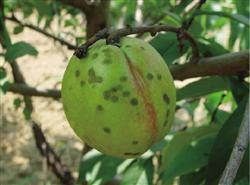
Peach scab, also known as black spot, is one of the common diseases of peach trees. When a peach tree is affected, black spots appear on the surface of the diseased fruit and cracking may even occur, seriously affecting its commercial value. 1. Symptoms of damage: It mainly damages the fruit, followed by the branches and leaves. When the fruit is affected, small brown round spots first appear, and then gradually...
-
Abundant sunlight during the flowering period of lychee and longan is beneficial for pollination and fertilization
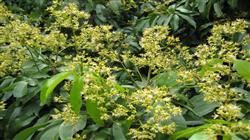
Experimental research and production have proven that placing bees for pollination during the lychee flowering period is the guarantee of a bumper lychee harvest. At the same time, the honey made by bees from collected pollen is also a natural health food for humans. In order to prevent bees from being poisoned and honey from being contaminated, ensure that enough foraging worker bees are dispatched to collect nectar, improve pollination results, and protect human health...
-
Technical key points for timely and proper pollination of apricot trees
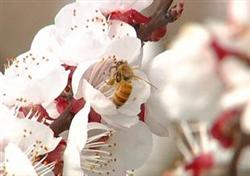
Why do apricot trees often bloom profusely but rarely bear apricots? The main reason is poor pollination. To improve the fruit set rate of apricot blossoms, preparations must be made in advance and apricot blossom pollination must be done promptly, carefully and meticulously. For the main cultivars of apricot trees, choose varieties with natural pollination ability, a low rate of abortive flowers and a high natural pollination fruit set rate...
-
How to do cross-pollination in eggplant? A detailed explanation of the management technique key points
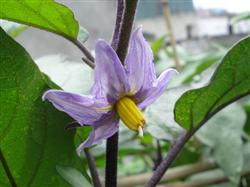
The most suitable temperature for eggplant flowering and fruiting is 25-30°C. Below 17°C or above 40°C, fertilization and fruiting cannot occur. The flowers open at around 6 a.m., and the anthers begin to split after 7 a.m., so the suitable pollination time each day is after 8 o'clock. For cross-pollination, on the afternoon of the day before the female parent's flower opens, select buds whose corolla has emerged to 1/2 of the bud, light purple, and not yet open, and emasculate them. Emasculation must be thorough to avoid false hybrids. On the next day, when the male parent's flowers open, collect pollen (pollination with pollen from flowers opening on the same day gives the highest fruit-setting rate), and smear the pollen onto the stigma of the female parent. The paired eggplant (2 fruits) and the four-door fruit (1 fruit) should be selected for crossing. After the crossed fruit sets, all other buds should be removed. According to experiments, repeated pollination can increase the seed yield of F1 (i.e., the first hybrid generation) by 10%.
-
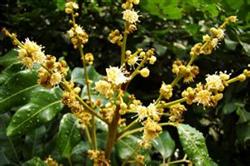
Detailed Explanation of Key Techniques for Artificial Pollination of Lychee and Longan
Lychee and longan both bear unisexual flowers and are insect- and wind-pollinated, relying on insects and wind for pollination and fertilization. In production, when bee sources are lacking or adverse weather occurs, artificial pollination is an important measure to increase the fruit-setting rate. However, artificial pollination must be done with proper technique, mainly including two aspects: pollen collection and pollination methods....
-
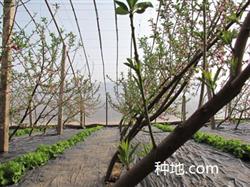
Detailed Explanation of Pollination Methods for Greenhouse Peach Trees During the Blooming Period
How should peach trees in greenhouses be pollinated when they bloom? When planting peach trees in greenhouses, in addition to configuring pollinator trees in a certain proportion, it is also necessary to release bees during the blooming period or use artificial supplementary pollination to improve fruit set and strive for high and stable yields. 1. Artificial pollination: First, collect pollen. 2-3 days before pollination...
-
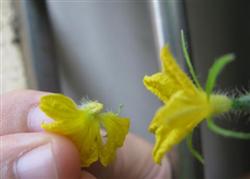
Why can cucumber pollination increase yield?
Introduction: Cucumber pollination can increase yield! Cucumber is a monoecious vegetable. On each vine, every 3 to 4 nodes produce one female flower, and between the female flowers there is a cluster of male flowers. (10 to 12) flowers. When the female and male flowers are open, select mature male flowers to pollinate the female flowers. After pollination, keep 2 to 3 male flowers near the female flower to ensure full pollination...
-
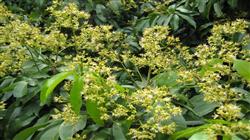
How to manage lychee during the pollination period? Key technical points explained in detail
How should lychee be managed during the pollination period? What are the things to note? Lychee is a dichogamous, insect- and wind-pollinated flower, mainly pollinated by insects. The pollen ball carried on the hind leg of a single honeybee contains about 8 million pollen grains, and a female flower's stigma only needs one normally developed pollen grain to be delivered to it. This shows how great a role honeybees play in pollination...
-

Why do kiwifruit need artificial pollination? Detailed explanation of reasons and methods
Reasons and methods for artificial pollination of kiwifruit
-

What are the characteristics of flowering and pollination in jujube trees?
Characteristics of flowering and pollination in jujube trees
条件筛选