-
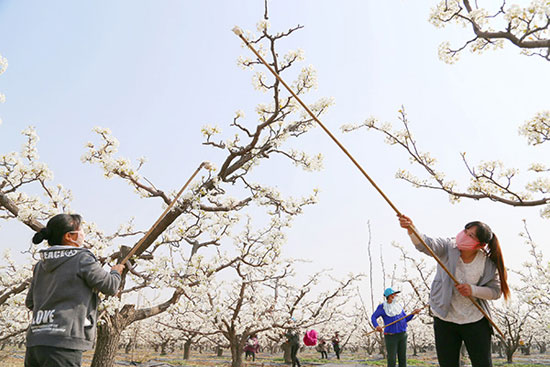
What techniques are there for the clever hand-pollination of Yali pears?
How much do you know about the clever hand-pollination of Yali pears?
-

Detailed Explanation of Key Points of Artificial Supplementary Pollination Technology for Melons
Artificial Supplementary Pollination Technology for Melons
-

How to hand-pollinate melons? Hand-pollination techniques and treatments
Hand-pollination techniques for melons
-
How to Grow Chestnut Pumpkin: Do Pumpkins Need Pollination? Controlling Pumpkin Powdery Mildew
To grow chestnut pumpkin, the seeds must first be sterilized, then kept warm to promote sprouting, then placed in a seedling pot filled with potting soil. Once the cotyledons and two true leaves have grown, they can be transplanted. They sprout in one week; plant them into a seedling pot, and after another week or so, transplant them into
-
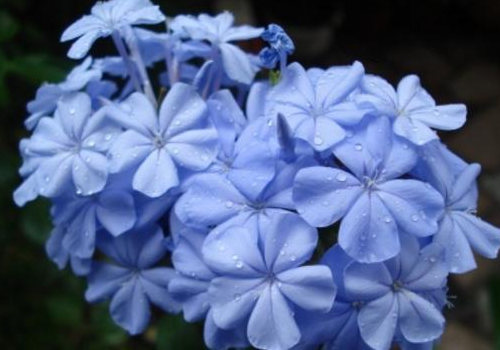
Blue Plumbago (Plumbago auriculata) Cultivation Methods and Pollination Techniques
How should Blue Plumbago grown at home be cared for so that its branches and leaves flourish? How to grow Blue Plumbago? How to pollinate: How to grow Blue Plumbago: 1. Blue Plumbago is mostly propagated by seed propagation, cuttings propagation or division propagation. The cutting method is mostly carried out in early summer, at a temperature of 20-25°C
-
What are the precautions for artificial pollination of Gastrodia elata
①Attention must be paid to the timing of pollen maturity; artificial pollination can only be carried out when the pollen is mature, and immature pollen must never be used for artificial pollination. ②A large needle can be used to pick up and place the pollen, but do not pierce the ovary at the base of the flower. ③Cross-pollination must be used, especially pollination between flowers of different plants of different varieties, because the seeds produced this way have strong vitality, a high propagation coefficient, and the offspring have strong disease resistance and cold resistance. ④Artificial pollination is most suitable when there is mucus on the stigma of the pistil. Pollen placed on the stigma
-
How is artificial supplementary pollination carried out for dawn redwood (Metasequoia glyptostroboides)?
The artificial supplementary pollination method for dawn redwood (Metasequoia glyptostroboides) is: the dawn redwood has unisexual flowers and is monoecious; when the male cones turn from green to yellow, select individual trees that are robust and bear many inflorescences, pick inflorescences with branches and cultivate them indoors to collect pollen. Cut the flowering branches into lengths of about 20 cm, whittle the base into a straight cross-sectional cut, tie every 20 to 30 branches into 1 bundle, align the bases of the branches, attach 1 ball of absorbent cotton soaked in nutrient solution to the cut surface of the branches, wrap the outside of the cotton ball with plastic film (to prevent the nutrient solution from evaporating), hang the bundled inflorescences indoors, lay white glossy
-

What is the correct method for artificial pollination of persimmons?
How do you hand-pollinate persimmons?
-
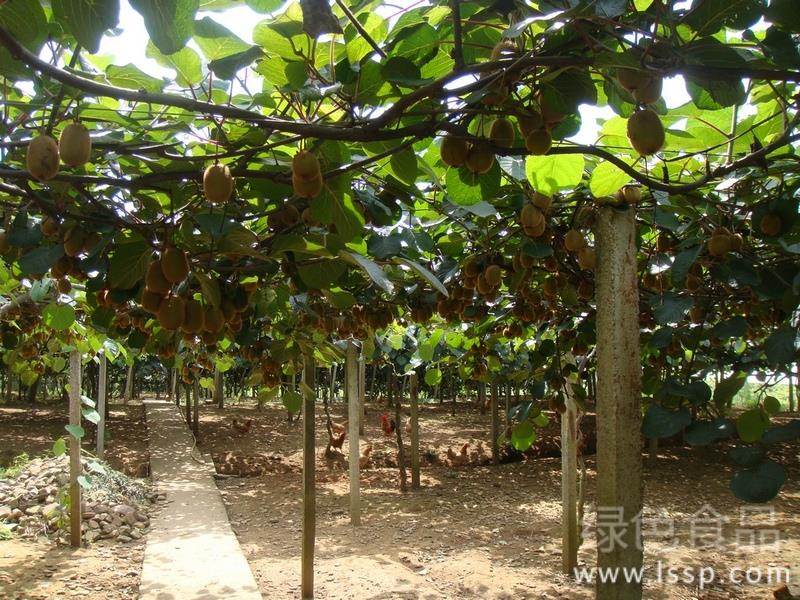
Four key points for summer kiwifruit management: pinching, pollination, fruit thinning, pest control
Pinching and pollination, fruit thinning and pest control: the four key points of summer kiwifruit management
-
Key technical points for hand pollination of watermelon
(1) Flower-to-flower pollination method: Gently lift the female flower's stalk so that the stigma is exposed, then select a male flower that opened the same day, pick it together with its stalk, turn the petals outward to expose the stamens, and gently smear the pollen onto the stigma of the female flower at the fruit-setting node, so that the pollen is evenly scattered on the stigma. Generally, 1 male flower can pollinate 2...
条件筛选