-

Q: What pests and diseases will cucumbers encounter throughout their entire physiological process?
Q: What pests and diseases will cucumbers encounter throughout their entire physiological process?
-
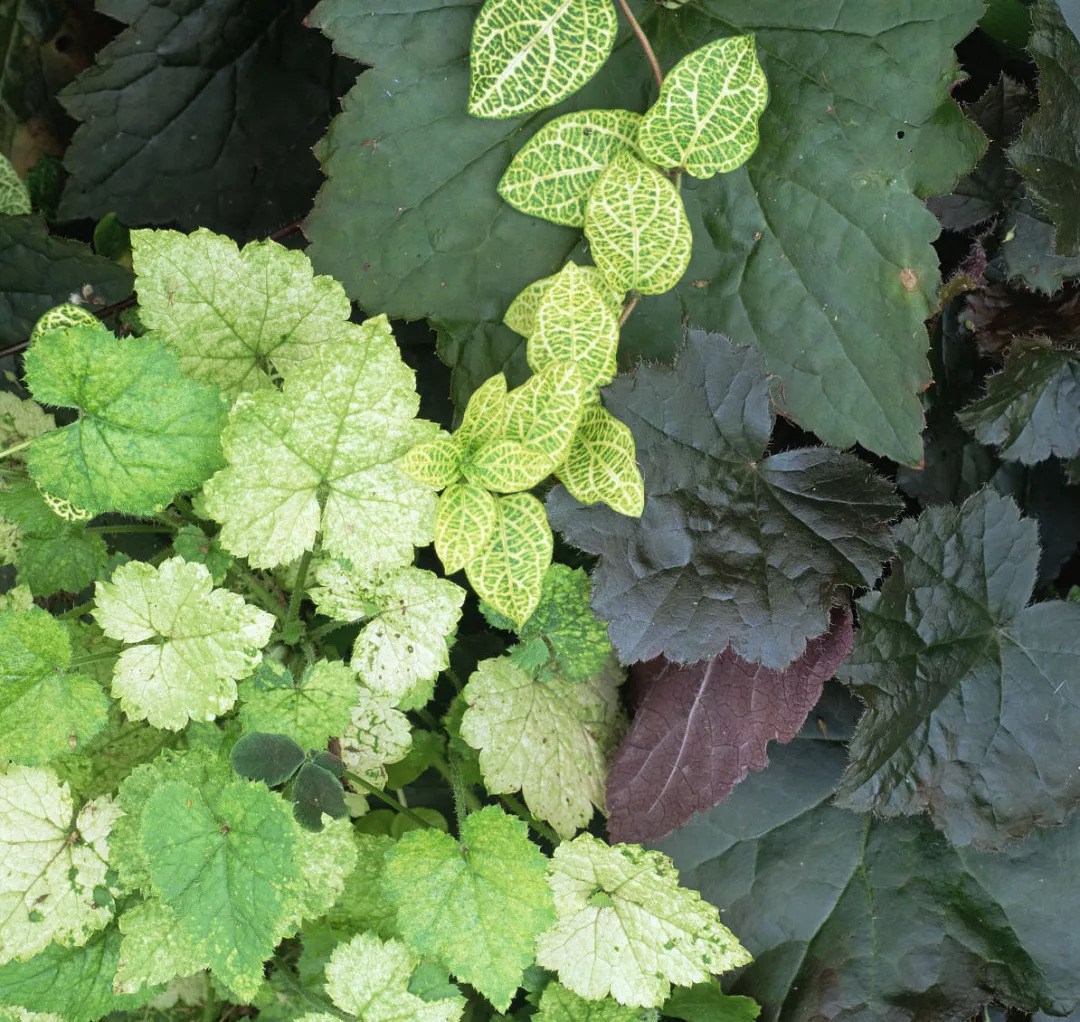
Physiological disorders in flowers make them ugly; let me teach you how to cure every kind of ugliness.
Appreciating the beauty of flowers is just like taste in food: radishes and cabbages, everyone loves their own! Different kinds of flowers have different shapes and textures of beauty! The Editor-in-Chief is broad-minded and loves all kinds of flowers, can't put any of them down, and wants to grow them all until they fill pots and gardens...
-

What are the changing patterns of the physiological habits of laying hens?
The changing patterns of the physiological habits of laying hens
-

What are the physiological habits of pigeons? Read this one article to understand
The physiological habits of pigeons
-
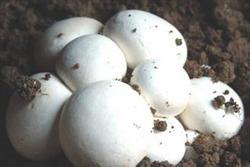
How to prevent and control physiological diseases of button mushrooms during the fruiting period
In button mushroom production, from casing soil onward until fruiting, in addition to routine management, correctly mastering and applying the following four key points on watering plays an important role in ensuring the amount and vitality of mycelium, ensuring the number and uniformity of pinheads, and ensuring the healthy growth of fruiting bodies and their commercial quality. 1. The "mycelium-pressing water" should be...
-
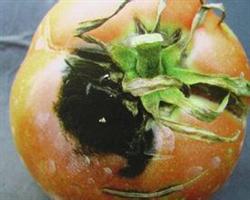
Control Methods for Physiological Disorders of Tomato
Physiological disorders often occur during tomato cultivation and greatly affect yield and quality. The most common ones include deformed fruit, hollow fruit, blossom-end rot, fruit cracking, rib vein browning, sunscald, and poor coloration. Deformed fruit. It mainly occurs during the period of flower bud differentiation and development. Under low temperature, excessive fertilizer (especially excess nitrogen nutrition...
-
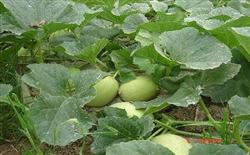
What are the common physiological disorders of watermelons and melons?
I. Causes of gourd-shaped fruit: 1. The fruit is set too far out, water and fertilizer conditions are poor, nutrients cannot be supplied and the fruit cannot swell; 2. The plant's vegetative growth is too vigorous, nutrients all go to the vines, and the small fruits that set are all gourd-shaped; 3. Pollination quality is low, the amount of pollen is insufficient and uneven, the front end of the fruit has many seeds while the base has...
-
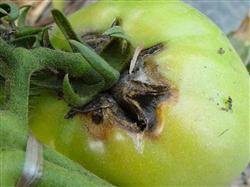
Key Technical Points for Preventing Physiological Diseases of Autumn Tomatoes
Early blight: After onset, concentric ring-patterned lesions appear on the leaf surface, dark brown, water-soaked. Before and after onset, spray with a 500-fold dilution of 70% mancozeb wettable powder, or a 400-fold dilution of 75% chlorothalonil wettable powder, once every 7 days, for 3 to 4 consecutive sprays.
-
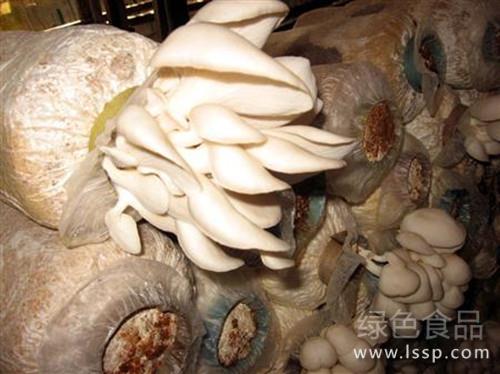
Physiological diseases of edible fungi cause stunted growth and even death; how to prevent and control them
Stunted growth and even death: prevention and control methods for physiological diseases of edible fungi
-
What are the control methods for common physiological diseases of edible fungi?
1. Mycelial overgrowth After inoculation of edible fungi, vegetative growth is excessive, and the fluffy mycelium grows densely. After casing soil is applied, it often "drills" out of the ground and forms a mycelial mat. This situation is related to the characteristics of the strain and environmental conditions. Low water content in the soil layer, excessively high nitrogen content in the compost, poor ventilation, and excessively high air humidity all easily cause mycelial overgrowth, producing the phenomenon of "mycelium emergence." Common control methods: select high-quality strains; pry loose and break up the hardened mycelial mat; cover with fine soil, increase ventilation, and lower relative air humidity; use heavy watering to promote mycelial
条件筛选