-
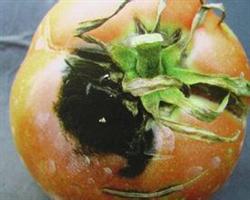
Control Methods for Physiological Disorders of Tomato
Physiological disorders often occur during tomato cultivation and greatly affect yield and quality. The most common ones include deformed fruit, hollow fruit, blossom-end rot, fruit cracking, rib vein browning, sunscald, and poor coloration. Deformed fruit. It mainly occurs during the period of flower bud differentiation and development. Under low temperature, excessive fertilizer (especially excess nitrogen nutrition...
-

Analysis of Common Physiological Diseases of Over-summering Vegetables
Analyzing common physiological diseases of over-summering vegetables
-
-
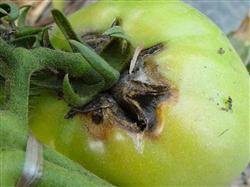
Key Technical Points for Preventing Physiological Diseases of Autumn Tomatoes
Early blight: After onset, concentric ring-patterned lesions appear on the leaf surface, dark brown, water-soaked. Before and after onset, spray with a 500-fold dilution of 70% mancozeb wettable powder, or a 400-fold dilution of 75% chlorothalonil wettable powder, once every 7 days, for 3 to 4 consecutive sprays.
-

Detailed Explanation of Guinea Pig Physiological Characteristics: A Comprehensive Understanding of Guinea Pig Body Features
Physiological Characteristics of Guinea Pigs
-
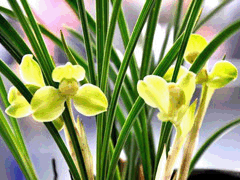
What are physiological disorders in flowers and how to prevent and treat them?
What are physiological disorders in flowers? What should be done?
-
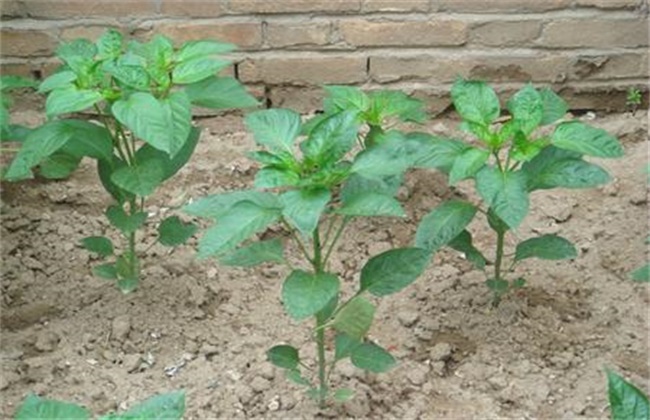
What are the control measures for common physiological diseases of vegetable seedlings?
Control measures for common physiological diseases of vegetable seedlings
-
Key Technical Points for the Control of Major Insect Pests and Physiological Diseases of Chinese Bayberry
The Chinese bayberry tree is a fruit tree native to China, and its fruit has a unique flavor and is rich in nutrients, making it highly favored by consumers. However, there are many aspects to pay attention to when growing Chinese bayberry, so what are the major insect pests and physiological diseases of Chinese bayberry? What are the key technical points for their control? What are the major insect pests and physiological diseases of Chinese bayberry?
-
Rice physiological red blight can be controlled with raw gypsum powder
Rice physiological red blight often occurs in cold-waterlogged mountain valley fields and in paddy fields where organic green manure has not fully decomposed. This disease mostly occurs at the tillering stage of rice, showing as very little tillering, leaves turning yellow-brown, and tea-brown irregular spots on the first and second leaves from the base; some mistake it for leaf blast. When the rice hills are pulled up, the root system is yellow-brown, and in severe cases black; the seedlings do not grow, commonly called "fa qiu". There are three main causes of physiological red blight: first, toxic substances such as hydrogen sulfide produced during the decomposition of green manure; second, some cold-waterlogged
-
Physiological Disorders of Mushrooms and Their Control Methods
Mushrooms are relatively sensitive to their environment. A poor cultivation environment will hinder their normal growth and development, produce various abnormal phenomena, and lead to reduced yields and lower quality. Common physiological disorders of mushrooms include excessive mycelial growth, hard opening of the caps, thin-skinned early opening, and the appearance of ground-button mushrooms and hollow-stem white-core mushrooms. They are described below: Symptoms of excessive mycelial growth: after the casing soil of the mushroom bed is watered, the fluffy mycelium of the mushroom will continuously grow toward the surface of the fine soil, and in severe cases will form a fine, dense, water-impermeable mycelial mat, thereby delaying the time of fruiting and reducing the
条件筛选