Physiological diseases of edible fungi cause stunted growth and even death; how to prevent and control them
Edible fungi are sensitive to their environment. If temperature, humidity, air and other factors are not coordinated, the growth and development of edible fungi will be hindered, abnormal phenomena will appear, and they may even die. A brief introduction to common physiological diseases of edible fungi and their prevention and control measures is given below.
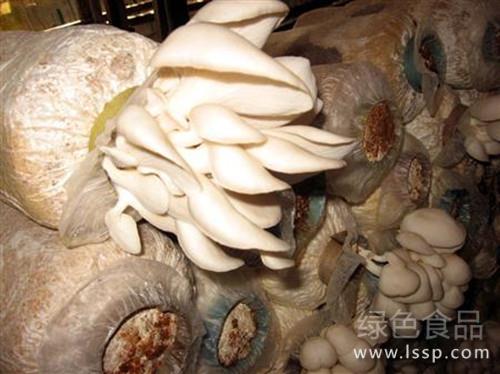
Physiological diseases of edible fungi
1. Mycelial overgrowth: after casing soil is applied, the fluffy mycelium of edible fungi keeps growing on the soil surface without forming mushroom buds. In severe cases, the mycelium becomes dense and clumps together, forming mycelial blocks, delaying fruiting and reducing yield. This is relatively common in oyster mushrooms (Pleurotus ostreatus) and shiitake mushrooms (Lentinula edodes). It is related to improper management, poor ventilation in the mushroom house, high humidity on the substrate surface and casing soil, or the spawn used.
Prevention and control measures: after casing soil adjustment and watering, or during the mycelial recovery period, strengthen ventilation in the mushroom house, increase air permeability to lower the carbon dioxide concentration and air humidity in the mushroom house, and at the same time lower the temperature to inhibit mycelial growth and promote fruiting body formation. If mycelial blocks have already formed on the surface, cut through them with a knife, spray water and ventilate; fruiting bodies can still form.
2. Deformed fruiting bodies. This occurs in oyster mushrooms, shiitake mushrooms, reishi (Ganoderma lucidum) and others. When it occurs, the fruiting bodies are irregular in shape, with small caps and large stipes, or are crooked. The fruiting bodies do not differentiate, the caps fail to form, and in severe cases only an undifferentiated mass of tissue forms. It is mainly caused by mechanical injury, rough casing soil, too low a fruiting position, compression, collision damage, and insufficient light in the mushroom house or excessively high carbon dioxide concentration, which results in deformed mushrooms with small caps, no opening of the cap, and slender stipes. Viral damage, pesticide injury and physical or chemical mutagens can also produce deformed mushrooms.
Prevention and control measures: reduce mechanical wounding, strengthen ventilation and light transmission, prevent viral infection, use pesticides correctly, avoid the effects of pesticide injury, choose mutagens appropriately, and screen for mutants with excellent genetic traits.
3. Mushroom death. During the fruiting period, with no pest or disease damage, fruiting bodies ranging from tiny buds to various sizes turn yellow, shrink, stop growing and die. Causes: overly dense fruiting, insufficient nutrient supply, death of small mushrooms; high temperature, high humidity, heavy watering, poor ventilation, insufficient oxygen, suffocation of small mushrooms; frequent pesticide spraying causing pesticide injury; careless harvesting injuring small mushrooms, etc. Prevention and control should target the above causes.
4. Water rust spots. When the mushroom house has poor ventilation and high humidity (>95%), water often accumulates on the cap surface, or the casing soil contains iron rust, causing rust spots to appear on the cap surface of edible fungi, resembling bacterial blotch. However, water rust spots are limited to the cap epidermis and do not penetrate into the flesh. If ventilation is strengthened, water droplets on the surface of the mushrooms are evaporated promptly, and casing soil containing iron rust is not used, their occurrence can be prevented.
5. Thin caps and early veil opening. During the peak production period of oyster mushrooms, because fruiting is too dense, the temperature is relatively high (above 18°C), and carbon dioxide in the mushroom house is high, fruiting bodies with slender stipes, thin caps and early veil opening easily appear, so early prevention should be taken. Do not raise the mycelium too high, manage the fruiting position well, prevent overly dense fruiting, do not spray water on the flush heads, and do not harvest flush-head mushrooms. Appropriately lowering the temperature of the mushroom house can reduce the phenomenon of thin caps and early veil opening.
Therefore, in edible fungus cultivation, factors such as temperature, humidity and air must be well coordinated to create good conditions for the growth of edible fungi, enable them to grow robustly, and avoid the above physiological diseases.