Physiological disorders in flowers make them ugly; let me teach you how to cure every kind of ugliness.
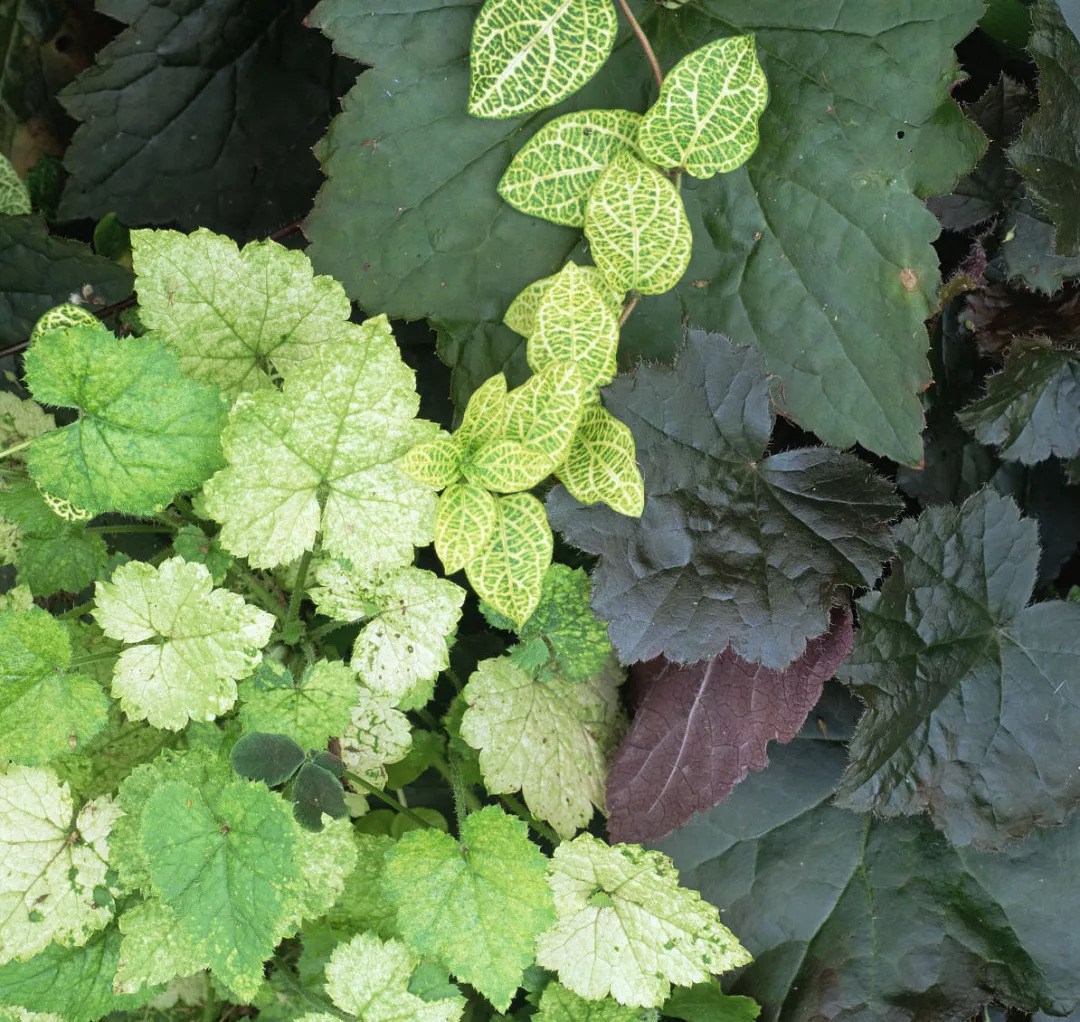
Appreciating the beauty of flowers is just like taste in food:
radishes and cabbages, everyone loves their own!
Different kinds of flowers have different shapes and textures of beauty!
The Editor-in-Chief is broad-minded and loves all kinds of flowers, can't put any of them down, and wants to grow them all until they fill pots and gardens...
But, oh my, after growing flowers for a long time and growing many of them, I discovered that they actually get all kinds of physiological disorders too... Different physiological disorders show themselves in different ways, and the cures are all different as well.
Based on years of experience growing flowers, the Editor-in-Chief has summed up some common physiological disorders in home gardening. Where it is not complete, fellow readers are welcome to leave comments to add to it.
Common physiological disorders of flowers
(1) Thin, spindly, leggy branches, long internodes, weak and thin leaves, pale green color - caused by insufficient light.
Cure: increase the hours of sunlight or move the plant to a place with plenty of light.
(2) Leaves curling, yellow edges, new leaves unable to grow large - caused by too much light.
Cure: shade it appropriately or move the plant to a place with suitable light.
Editor-in-Chief's tip: In summer, special attention must be paid to shading and sun protection for balcony plants, especially succulents. Many readers think succulents just need lots of sun, not knowing that if you do not shade succulents in summer, it is very easy to sunburn them to death or scorch them.
(3) Leaves shrinking, lower leaves of the plant dropping off - the cause is lack of water.
Cure: water promptly, and each watering should be thorough. Do not give half-measure waterings; the whole pot of soil must be moistened.
(4) Branches and leaves wilting, color darkening and gradually rotting - caused by overwatering.
Cure: appropriately control the amount and frequency of watering, especially during the plant's dormant period. At the same time, regularly check whether the drainage holes at the bottom of the pot are blocked.
(5) Leaves curling and wrinkling, turning yellow-brown - caused by insufficient humidity.
Cure: besides misting the leaves more, also sprinkle more water on the ground around the potted flowers.
(6) Leaves turning yellow, curling, withering - caused by excessively high temperatures.
Cure: move the pot to a cool, ventilated place, or sprinkle and spray more water.
Editor-in-Chief's tip: Growing flowers on balconies of reinforced-concrete high-rise buildings, in summer, besides shading the plants, you really need to spray and sprinkle more water... to cool things down.
(7) Yellow-brown spots appearing on leaves, leaf tips and leaf edges scorched yellow - the cause is sunburn.
Cure: shade appropriately and prevent direct sunlight.
(8) The plant produces few flower buds and does not bloom, only growing leggy branches and leaves - caused by too much nitrogen fertilizer.
Cure: reduce nitrogen fertilizer application, especially avoid nitrogen fertilizer during the bud-setting period, and apply more phosphorus and potassium fertilizer.
(9) New leaves and stems not growing, lower leaves of the plant drooping, leaf color fading - the cause is lack of fertilizer.
Cure: during the growing season, increase the amount and frequency of fertilizer application.
(10) White crystals on the surface of the potting soil and along the rim of the pot, with the plant's leaves shrinking, rotting and dropping off - caused by excessive chemical fertilizer application.
Cure: first water to dissolve the white crystals, then after half an hour, water heavily to flush out the overly concentrated fertilizer.
(11) The pot is full of exposed fibrous roots, and fibrous roots are also poking out of the drainage holes at the bottom of the pot.
Cure: after watering, the leaves tend to wilt, and new leaves are few and small - this is caused by not repotting for many years or the pot being too small. The solution is very simple: just repot it.
The Editor-in-Chief has also talked many times about repotting techniques and simple, quick ways to repot. Interested readers can look back at previous articles.
Grown on the balcony
Alright, that is all for today. If readers still have any questions they would like the Editor-in-Chief to answer, leave a comment in the comment section below.
Who knows whether the Editor-in-Chief explained it clearly and in detail? For readers who did not quite understand, the Editor-in-Chief has written an acrostic poem especially for you. It may not be well written, but it can help you find the Editor-in-Chief.
More wonderful articles are all in an acrostic poem:
A gentle breeze softly strokes, flowers ever remain
Strolling along, wandering in spirit to the sunny south of the mountain
Seeking wonders and hunting clever finds at Bronze Sparrow Terrace
Planting red and growing green, above the blue clouds
--Come take the challenge: a four-line acrostic-and-tail poem; link the first characters together + link the last characters together, and you get an eight-character motto to summon the Editor-in-Chief's true self! When you come, remember to say: "Editor-in-Chief, your secret has been cracked by me"!
Grown on the balcony, learning never ends.