-
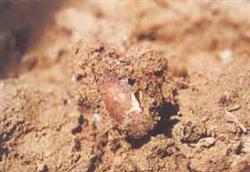
What to Do About Seed Rot in Spring Peanuts? Detailed Explanation of Causes and Control Methods
Symptoms: After spring peanuts are sown and before emergence, seed rot often occurs, with severe cases reaching 10%-20%, causing varying degrees of missing plants and broken rows. Causes: Poor seed quality or improper storage, or overly long storage periods; low-lying geothermal areas, heavy clay soil, poor soil texture, high soil water content, long emergence time for seeds, poorly firmed seedbed preparation, affecting...
-
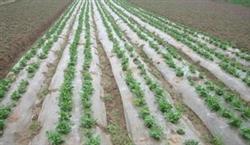
Proper application of the four fertilizers is very important for spring peanuts, and the fertilization method must be mastered
Spring peanut cultivation with plastic film mulching has the advantages of heat preservation, moisture retention, fertilizer retention, improving the soil environment, ensuring uniform and strong seedlings, promoting growth and development, earlier maturity, and increased yield and income. It can usually increase yield by 20%-30%, and increase net income by 50-100 yuan per mu. 1. Fine land preparation and full-layer fertilization for peanut mulching...
-
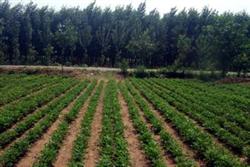
What are the key points of fertilization techniques for spring peanuts?
Calcium can promote pod formation, reduce empty pods and increase the number of filled pods; applying calcareous fertilizer such as lime to acidic soil can also reduce soil acidity and benefit nitrogen fixation by root nodules. Therefore, calcareous fertilizer can improve peanut yield and quality. When peanuts are deficient in calcium, plant growth is slow, roots are thin and seedlings are weak, and the edges and surface of old leaves will show...
-
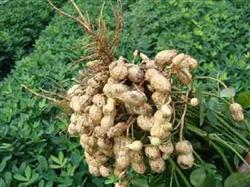
How to Water Spring Peanuts in Drought? A Detailed Guide to Drainage and Waterlogging Prevention
Peanut is an important oil crop in Zoucheng City, with a perennial planting area of 260,000 to 270,000 mu. In order to comprehensively utilize new technologies and new achievements at home and abroad, accelerate the transformation of scientific and technological advances, further explore the laws of high-yield peanut production, fully tap production potential, and increase peanut yields, after more than 30 trials over many years, a high-quality and high-y...
-
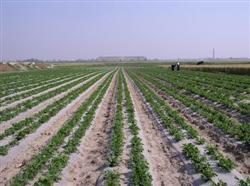
How to grow spring peanuts for high yield? Mulch covering is the key
In Maoming City, promoting mulch-covered cultivation of spring peanuts allows planting half a month to a month earlier, extends the peanut growing period, and increases yield by 20%-30% compared with ordinary open-field cultivation of spring peanuts. When cultivating with mulch, focus on the following steps: 1. Sow early to extend the growing period. Mulch-cultivated spring peanuts can be planted earlier...
-
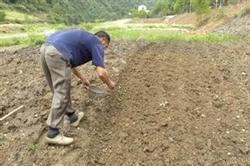
How to apply base fertilizer when sowing peanuts and soybeans
Some farmers apply no fertilizer at all when sowing these crops, and this planting habit is one of the important reasons why peanut and soybean yields remain stagnant. Although legume crops can use the nitrogen-fixing function of rhizobia to absorb nitrogen from the air to supplement nutrition, their nitrogen fixation amount is only enough for 2/3-1/2 of the total absorption, and phosphorus and potassium nutrients...
-
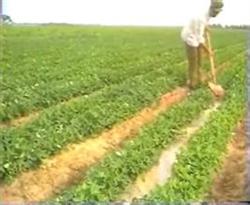
Key Technical Points and Fertilization Methods for Topdressing Peanuts and Soybeans
Carrying out topdressing of peanuts and soybeans at the mid-to-late growth stages according to different conditions is an important measure for raising the overall yield level. I. Peanuts: Peanut topdressing is mainly done at the pegging stage, when the nitrogen-fixing ability of peanut rhizobia has gradually declined, while the plants have entered the peak period of nutrient uptake. Topdressing can be carried out in two situations:...
-
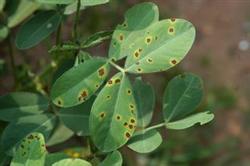
Implement three protection measures in the late growth stage of peanuts to promote increased yield
What is the difference between peanut black spot and peanut brown spot? Peanut black spot and peanut brown spot are the most common leaf diseases of peanuts. Their common feature is the formation of spots on the leaf surface, so they are collectively called leaf spot disease. The main differences are: brown spot occurs earlier, appearing at the early flowering stage, and in the later stage the lesions on the leaves are relatively large, round or irregular...
-

What are the symptoms and control methods of calcium deficiency in peanuts?
Symptoms: When peanuts are deficient in iron, the young leaves at the top show chlorosis, while the older leaves at the bottom and the leaf veins remain green; in cases of severe iron deficiency, the leaf veins lose their green color and then turn yellow, all the new upper leaves turn completely white, brown necrotic spots appear, and they dry up and drop off. For control methods, a 0.1%-0.2% ferrous sulfate solution can be used for foliar spraying...
-
What are the main technical points for fertilizing peanuts?
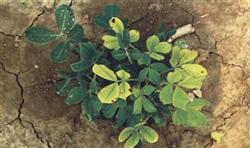
What are the symptoms when peanuts lack molybdenum? How can it be prevented and controlled? (1) Characteristics of the deficiency: When peanuts lack molybdenum, the plants are short and small, and the leaves are small and thin, appearing pale yellow-green, the same as the typical symptoms of nitrogen deficiency. If the above symptoms appear when nitrogen nutrition is sufficient, the possibility of molybdenum deficiency should be considered. (2) Control measures: ammonium molybdate...
条件筛选