-
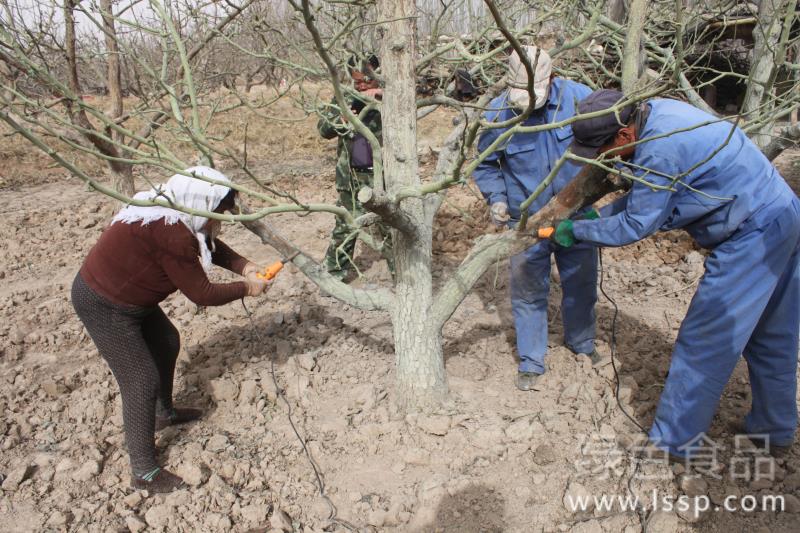
Scraping the bark of fruit trees in winter can effectively eliminate pests, diseases and pathogens
Scrape the bark to eliminate fruit tree pests, diseases and pathogens; do not neglect scraping fruit tree bark in winter
-
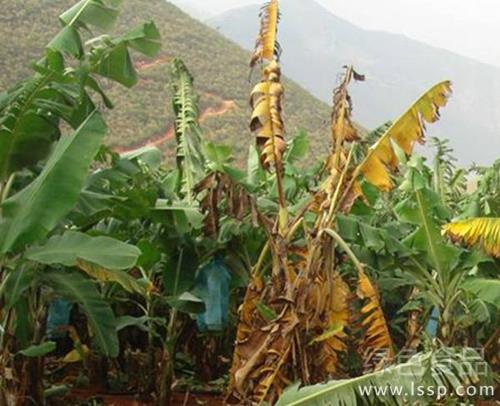
Banana Fusarium wilt is highly destructive and the pathogen survives for a long time; what control methods are there?
The pathogen survives long and is highly destructive: control methods for banana Fusarium wilt
-

How to Grow Alocasia (Drooping Spathiphyllum)? Introduction to Water and Soil Cultivation Methods
Alocasia, also known as Drooping Lotus and Bergamot Lotus, has a delicate inner essence, with large leaves that are not ostentatious, subtle and understated. Because its flowers resemble Guanyin and it drips water from the leaf tips when well-watered, it has earned the beautiful name "Drooping Guanyin," and is often used by people to decorate interiors. Despite its beautiful name and inner refinement
-
What are the precautions for growing Peace Lily (Spathiphyllum) hydroponically?
1. Light: Peace Lily likes sunlight and is also fairly shade-tolerant, but it dislikes intense light, so it can be grown year-round indoors in a spot with bright, indirect light. 2. Water: The water in the bottle must not completely submerge the plant's root system; the water level should be about two-thirds of the root length. The water temperature should be kept close to room temperature
-
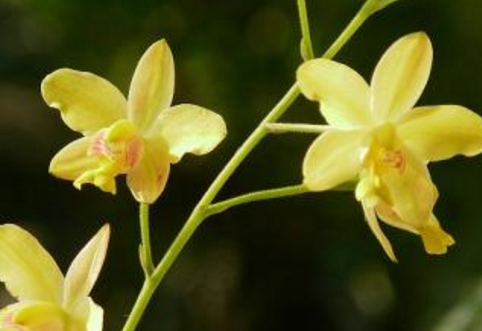
What are the disease prevention and control methods for Spathoglottis pubescens?
1. Coleosporium rust fungus Symptoms: The pathogen usually appears on the leaves, rarely on the stems, producing raised small pustules containing yellow, orange, or rust-colored powdery spores. Although Coleosporium rust fungus does not cause plant death, it hinders plant growth. Prevention and control methods: First, promptly cut off diseased leaves
-
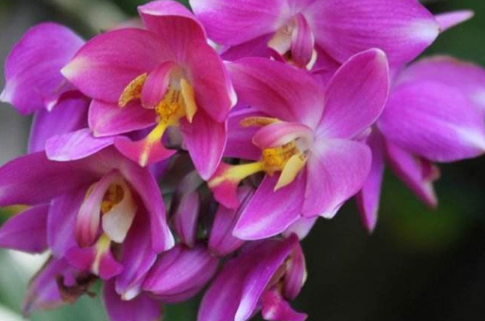
How to Grow and Care for Spathoglottis pubescens: Cultivation Methods and Precautions
1. Light: Spathoglottis pubescens loves shade and generally grows in deep mountains and secluded valleys, so when cultivating it, place it in semi-shade or a spot with short daylight hours, and let it absorb as much scattered light as possible. 2. Soil: Spathoglottis pubescens has fleshy roots and does best in sandy loam rich in humus
-
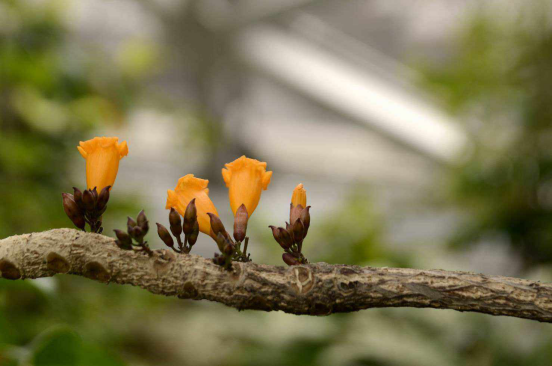
How to grow Spathodea campanulata (African tulip tree)? Detailed guide to care precautions
I. Common diseases Damping-off is the most important disease of Spathodea campanulata (African tulip tree), occurring mainly during the rainy spring season and causing severe damage. Both mature Spathodea campanulata trees and seedlings are affected by this disease. The main symptom is the appearance of dark brown lesions on the affected parts.
-
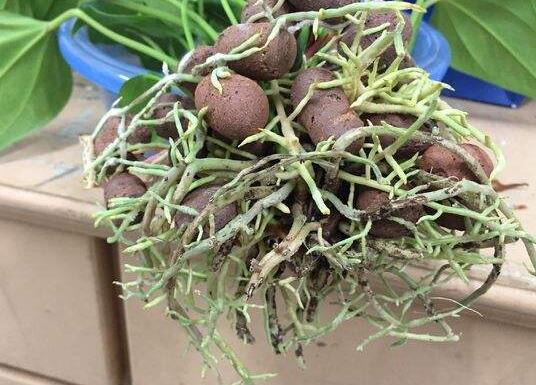
What to Do When Anthurium Roots Rot, Leaves Turn Yellow, and the Spathe Turns Black
The roots of the anthurium are the main part through which it absorbs nutrients and water. Once they rot, the plant's growth will slow down, and if the rot is severe, it may even cause the plant to die. Therefore, when growing it, you must avoid this situation. But what should you do if the anthurium roots rot? Let me tell you the causes and solutions.
-
Induced biochemical responses in tea plant leaves after infection by the tea blister blight pathogen
The activities of enzymes such as phenylalanine ammonia-lyase, polyphenol oxidase and peroxidase, as well as the levels of proteins, proline and phenolic compounds in the leaves, were studied after tea plant leaves were infected by the tea blister blight pathogen. The study showed that in diseased leaves the activity of phenylalanine ammonia-lyase decreased, while the activities of peroxidase and polyphenol oxidase increased. Analysis of peroxidase isoenzymes by polyacrylamide gel electrophoresis using benzidine as substrate showed that healthy tea plant leaves had 4 isoenzymes, whereas
-
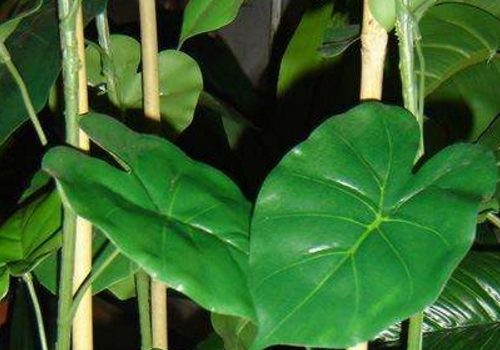
Why does Alocasia macrorrhizos get root rot and how is it different from Spathiphyllum
Alocasia macrorrhizos, many people have seen it, they just don't know its name. Why does Alocasia macrorrhizos get root rot? How is it different from Spathiphyllum? Why does Alocasia macrorrhizos get root rot: 1. Root rot in soil-grown Alocasia macrorrhizos is mainly caused by the potting soil being too wet. When the potting soil is too wet, the rhizomes of Alocasia macrorrhizos easily rot. The cause of overly wet potting soil may be that you watered too much, leading to water accumulation in the pot, or it may be that the soil is highly clayey, has poor aeration, and easily retains water on its own.
条件筛选