-
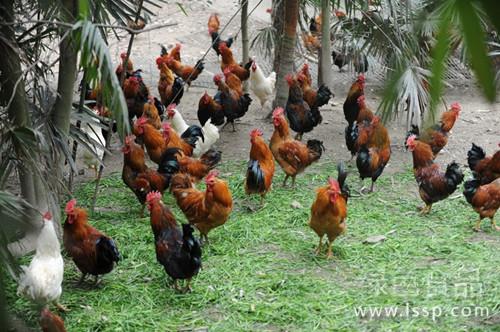
At the start of Beginning of Summer, temperatures rise and pathogens multiply quickly: points to note when raising chickens
Temperatures rise and pathogens multiply quickly: points to note when raising chickens at the start of Beginning of Summer
-
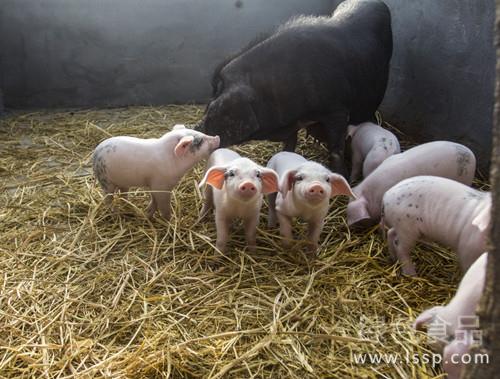
Prevention and Control of Porcine Dermatitis and Nephropathy Syndrome: Red Small Spots Turn Black and Expand into Papules
Red Small Spots Turn Black and Expand into Papules: Preventing and Controlling Porcine Dermatitis and Nephropathy Syndrome
-
Prevention and control methods for pathogenic porcine reproductive and respiratory syndrome in pigs during the high-temperature, high-humidity period of midsummer
Prevention and control methods for pathogenic porcine reproductive and respiratory syndrome in pigs during midsummer heat and humidity
-
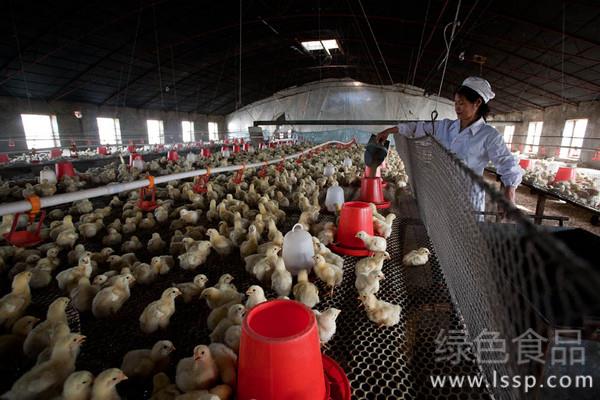
How Large-Scale Poultry Farms Can Prevent Pathogenic Avian Influenza
How Large-Scale Poultry Farms Can Prevent Pathogenic Avian Influenza
-

What kind of bacterium is Streptococcus suis? Understanding the characteristics of this pathogen
Streptococcus suis belongs to the genus Streptococcus. The cells are round or oval, less than 2.0 mm in diameter, generally arranged in chains or in pairs, and stain Gram-positive. The colonies are small, grayish-white and translucent. Most pathogenic strains are capable of hemolysis. Streptococcus suis has 35 serotypes (1-34, 1/2) as well as some untypeable strains. Among them, the four serotypes 1, 2, 7 and 9 are highly pathogenic. Muramidase-released protein (MRP) and extracellular factor (EF) are
-
Symptoms and Pathological Features of Snake Venom Poisoning in Animals
Snake venom poisoning is an acute toxic disease caused by venomous snake bites in animals, in which the venom enters the body through the wound and causes hemolysis, paralysis of sensory nerve endings and shock as its characteristic features. It can occur in all kinds of animals, and is commonly seen in grazing animals and dogs. 1. Clinical symptoms The sites where animals are bitten by venomous snakes are mostly the lips, nose tip, face and lower parts of the limbs. In horses, cattle and sheep, the bite sites are mostly near the hock joint or fetlock joint, while in pigs and dogs they are mostly on the limbs and nose tip. The closer the bite site is to the central nervous system and to areas rich in blood vessels, the
-
How to prevent and treat highly pathogenic porcine reproductive and respiratory syndrome (PRRS)? A detailed explanation of the technical key points
This disease is a severe viral disease of pigs that has emerged in recent years, an acute highly lethal epidemic disease caused by a variant strain of porcine reproductive and respiratory syndrome virus. The virus is extremely contagious. In infected pig farms, the morbidity rate of piglets can reach 100%, the mortality rate can reach more than 50%, and the abortion rate of sows can reach more than 30%. It is also characteristic that growing-finishing pigs can develop the disease and die. 1. Pathogen: The pathogen of this disease is porcine reproductive and respiratory syndrome virus, caused by Lelystad virus. 2. Epidemiology
-
What are the pathological changes of aflatoxin poisoning in pigs?
In acute cases, anemia and hemorrhage occur, with massive bleeding in the thoracic and abdominal cavities, and petechial spots often on the serous membrane surfaces. Hemorrhage occurs in the subcutaneous muscles in front of the thigh and under the scapula. The liver is enlarged with bleeding points. In the part of the liver adjacent to the serous membrane there are pinpoint or ecchymotic hemorrhages, obvious hemorrhages are common on the epicardium and endocardium, and hemorrhages are often present throughout the body muscles. In chronic cases, there is proliferation and sclerosis of the liver bile ducts, yellow fatty degeneration of the liver, white spots or necrotic lesions on the liver surface, and effusion in the thoracic and abdominal cavities. The renal cavity is pale and swollen. The systemic lymph nodes are congested and edematous.
-
What are the pathogenic characteristics of duck infectious serositis?
Duck infectious serositis, also known as Riemerella anatipestifer disease, formerly called Pasteurella anatipestifer disease, can infect ducks of all breeds, sexes, and ages, mainly affecting ducklings 2 to 3 weeks old, with morbidity often reaching over 90% and mortality ranging from 5% to 75%. This disease often occurs as a mixed or concurrent infection with duck colibacillosis. It is characterized by fibrinous pericarditis, perihepatitis, airsacculitis, peritonitis, etc. 1. Pathogen The pathogen of this disease, Riemerella anatipestifer, is a Gram-negative small bacillus, non-spore-forming, non-motile
-
What Is Avian Nephropathogenic Infectious Bronchitis?
Nephropathogenic infectious bronchitis is a pathological manifestation of avian infectious bronchitis caused by coronavirus. In recent years, especially since last winter and this spring, the incidence of nephropathogenic IB in Shandong Province, China, particularly in the Qingdao area, has risen significantly, causing considerable economic losses to the poultry industry, especially the broiler industry, and thus attracting widespread attention. Nephropathogenic IB is not an independent disease caused by an independent virus; it is a special phenotype of IB virus strains in the urinary organs of chickens; or rather, it is a
条件筛选