-
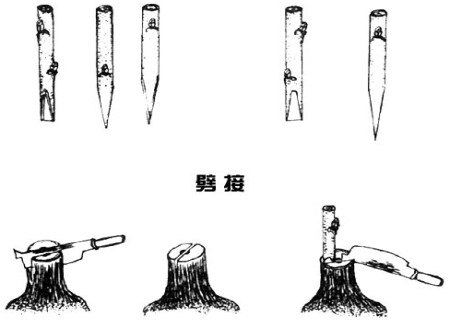
Detailed Explanation of the Key Operation Points of the Cleft Grafting Technique for Pear Trees
Among fruit trees, the pear tree is a species that is relatively easy to graft, and most grafting methods readily succeed. In summer, it is best to use the three bud grafting methods: patch budding, chip budding and T-shaped budding; in spring, it is best to use the two scion grafting methods: single-bud side grafting and cleft grafting
-
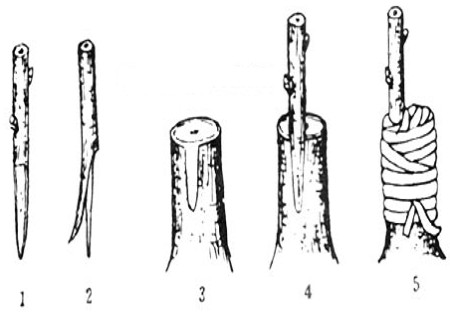
Detailed Explanation of the Operation Method for the Bark-Grafting Tongue Approach Technique on Pear Trees
Grafting is the artificial joining of tissues such as a branch or bud from one plant onto a suitable part such as the branch, trunk or root of another plant, so that they heal and grow together to form a new plant. This branch or bud is called the scion, and the plant that bears the scion is called the rootstock. When grafting
-
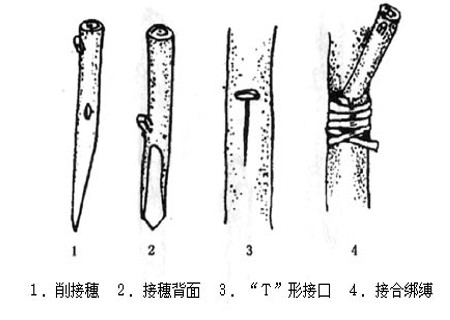
A detailed guide to the side-grafting technique for pear trees: master the key operation points
For grafting pear rootstock, I use T-shaped budding; for thicker suckers, side grafting or cut grafting can be used. For pear seedlings after transplanting and grafting, because the density in the sowing bed is relatively high, growth is often uneven, so it is best to plant out the grafted half-grown seedlings separately before spring growth the following year.
-
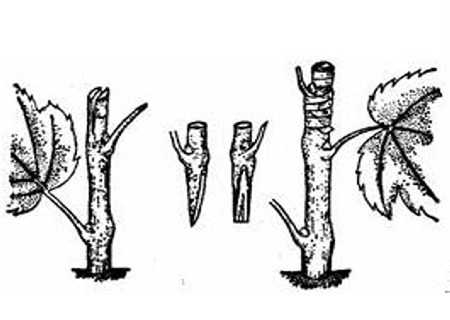
Key Points and Detailed Operation Methods of Softwood Grafting on Pear Trees
Grafting is a propagation method in which a branch or bud from one plant is attached to the branch, trunk or root of another plant so that they form a new plant. The nursery stock produced by grafting is called a grafted seedling. The branch or bud used for grafting is called the scion, and the plant that bears the scion is called the rootstock
-
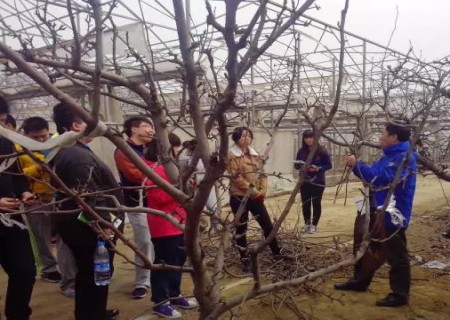
Key Points and Operation Methods of Chip Budding Grafting Technique for Pear Trees
Pear trees, due to the physiological characteristics of the variety or improper management, develop bare legs on the main branches (trunks), ultimately leading to a dense exterior and hollow interior, with fruiting branches becoming weak and shifting outward, ineffective consumption of nutrients, small fruit, poor quality, and low yield. To solve this problem, after several years of practical exploration
-
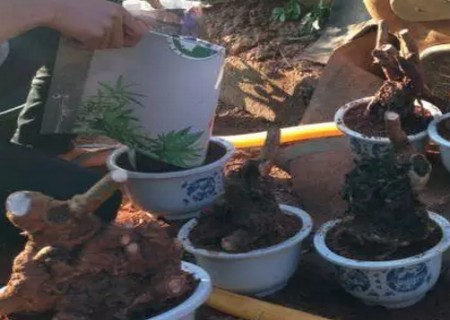
Detailed Explanation of the Transplanting Methods and Operation Steps for Collected Bonsai Deciduous Trees
Collected trees, that is, wild tree stumps dug from the mountains, used as bonsai material. Generally, such material possesses a strange, perilous, quaint and elegant effect that is very difficult to achieve by artificial means. Perhaps your firewood is someone else's bonsai material. Based on my more than ten years of understanding of bonsai stump transplanting
-

How a Fish Fillet Processing Plant Transformed Itself for Export Certification to Achieve Long-Term Operation
Taiwan's aquaculture technology is renowned worldwide, but with a limited domestic market, many fish farmers are setting their sights overseas. However, marketing goods abroad tests more than just production volume and quality control capabilities. To win orders, international certification is also a challenge as an entry ticket.
-
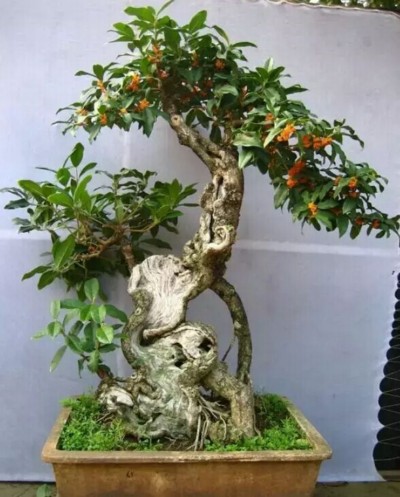
Detailed Explanation of Osmanthus Bonsai Grafting Methods and Operation Steps
Osmanthus has luxuriant branches and leaves, stays evergreen through all four seasons, with gnarled roots and graceful posture, brilliant flowers and rich fragrance. It also has biological characteristics such as strong sprouting ability, tolerance to pruning, and long lifespan, making it an excellent tree species for making tree bonsai. The process of making osmanthus bonsai is complex, learning from nature, and wonderfully exquisite
-
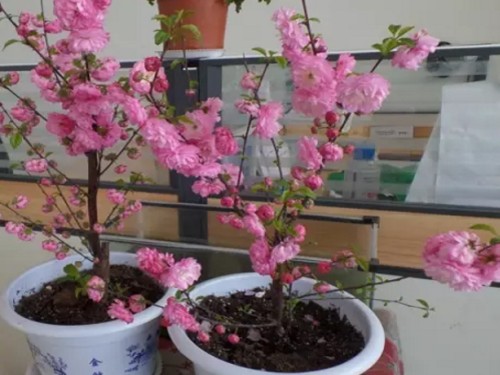
Detailed Explanation of Grafting Techniques and Operation Methods for Flowering Almond (Prunus triloba)
Flowering almond (Prunus triloba) has a cultivation history of several hundred years in China, and it is planted in most parks across the country. This species blooms early and is mainly grown for ornamental purposes. Common cultivated types include the double-flowered flowering almond (double flowers, pink; sepals usually 10) and 'Luanzhi' (10 petals and 10 sepals, pink flowers; leaf undersides hairless).
-
条件筛选