-
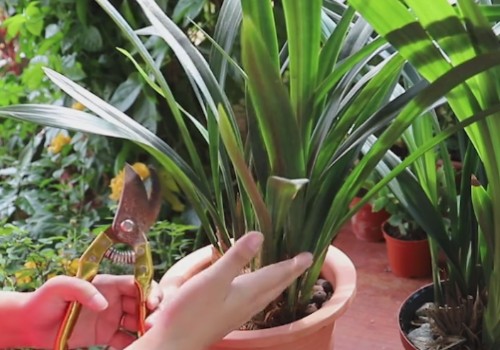
Methods for cultivating strong orchid seedlings: once new shoots grow, the old shoots should be cut off
There are many varieties of orchids, but no matter which variety it is, as long as we take good care of it, its ornamental value is extremely high. Whether it is potted and placed on a balcony or in a bedroom, a living room or an office, it can often show its unique character
-
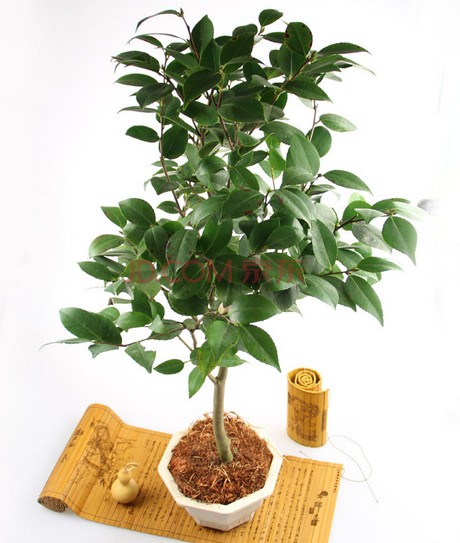
What are the common misconceptions about fertilizing camellia bonsai?
Many people like to grow flowers at home, as it beautifies the room, purifies the air, regulates temperature and cools the heat, and also cultivates character and pleases body and mind. However, to make potted flowers flourish with lush branches and large, brightly colored blooms, besides watering, fertilizing is also an important part of the flower-growing process. When flowers are in their growth period,
-
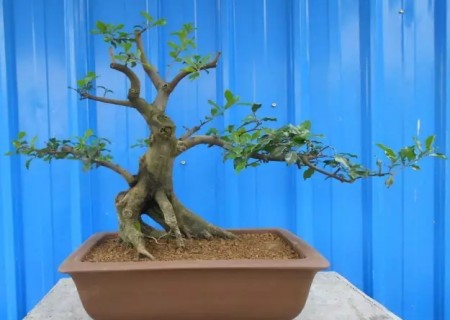
How do you shape a Diospyros cathayensis bonsai? It's not hard once you master these methods
Diospyros cathayensis has small leaves and bears abundant fruit; both its foliage and its fruit have high ornamental value, making it a material for bonsai. Not only that, as a bonsai, Diospyros cathayensis also offers a particularly wide range of shaping methods and techniques, and shaping can be completed with pruning, binding, twisting, bruising, and pinching back.
-
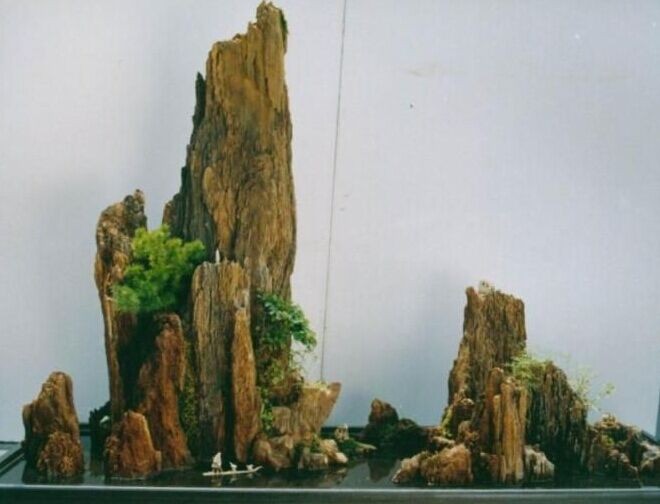
A Detailed Explanation of Methods for Conceiving the Artistic Concept in Landscape Bonsai Creation
Landscape bonsai is a group of scenery displayed by mountains, stones, grass, and trees arranged and combined in a certain way within a pot. This kind of combination follows a certain law of mountain momentum or structural composition. The creator's conception, or the construction of a thought-provoking artistic conception, is precisely a very important part of bonsai creation.
-
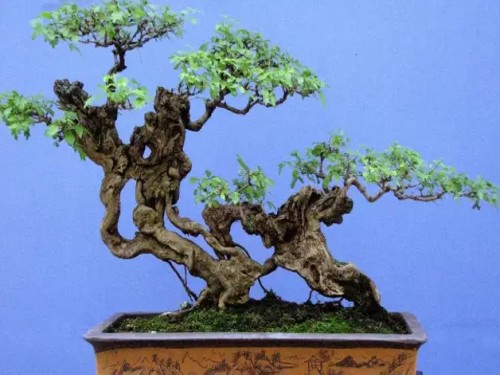
A Detailed Explanation of the Methods for Designing and Conceiving Tree Bonsai Shapes
Tree bonsai takes trees as its main subject. Because the materials used differ, it is usually further divided into two major categories: tree scenery and stump scenery. Tree scenery is made by using young trees as material and carrying out artistic processing, so it is often called "cultivated from youth." In the creation of tree bonsai, for a bonsai to deserve to be called an excellent work, all its parts must be seamlessly integrated and unified in harmony
-
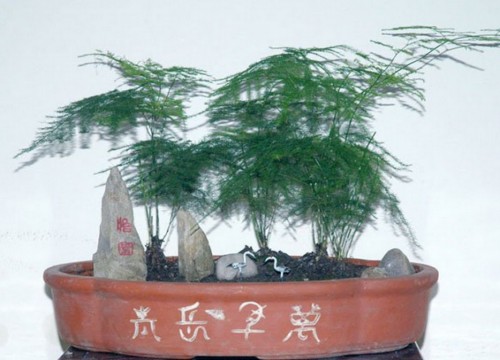
How to make an asparagus fern bonsai? Key points explained all at once
The bamboo-like posture is elegant, with slender, soft branches, distinct layers, and orderly heights, and the cloud-like foliage pads are elegant and unique, making it popular with people. If the asparagus fern is designed and composed into a bonsai displayed on a balcony or indoors, it appears even more beautiful and peaceful, adding a lot of pleasure to life. Below are the key points for making an asparagus fern bonsai.
-
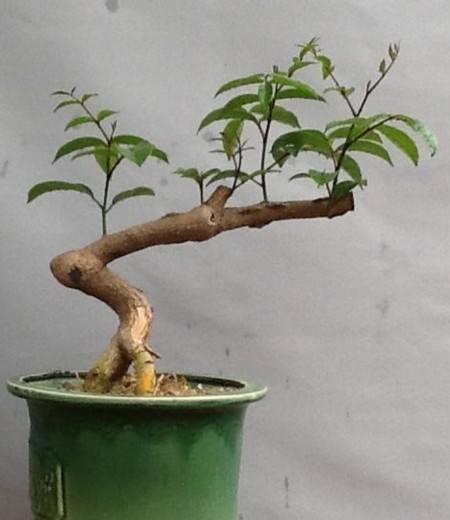
How to make a Zanthoxylum nitidum bonsai? The method and steps explained all at once
Zanthoxylum nitidum is named because both sides of the leaf midrib bear thorns. It is a traditional Chinese medicinal herb with effects such as clearing heat and detoxifying, commonly known as Liangbeizhen and Rudijinniu, and is an evergreen vine of the Rutaceae family. Because Zanthoxylum nitidum has excellent plant characteristics such as a graceful tree form, evergreen foliage throughout the year, tolerance to transplanting, and ease of survival
-
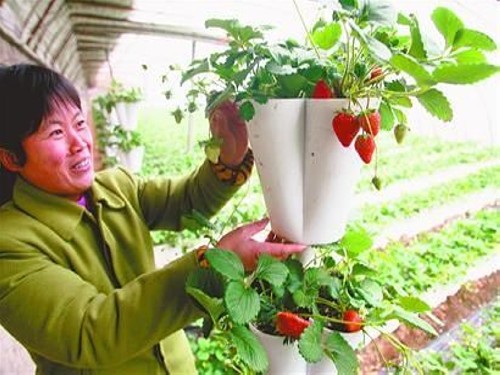
Detailed Explanation of Organic Strawberry Planting Techniques and Concepts in Pots
What Are Organic Strawberries
-
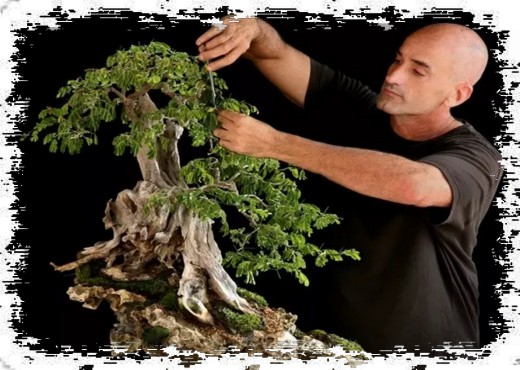
How to create bonsai with a profound artistic conception
Bonsai, like poetry, painting and garden art, originates from nature and from life; they simply take different forms of expression. They interpenetrate and learn from one another. Poetry and painting often draw their subjects from gardens and bonsai, while the creation of gardens and bonsai emphasizes being rich in poetic and pictorial charm. Therefore
-
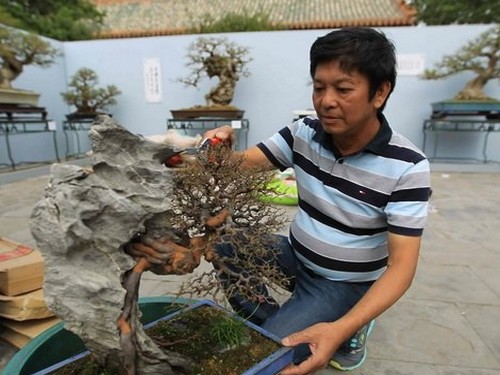
In bonsai creation, establishing the concept comes first and must be carried through from beginning to end.
The so-called establishing the concept means that before creation, after the author obtains the tree stock, or regarding the method of working the rocks and stones, based on their morphological characteristics and the features of the material itself, and combined with the author's own artistic cultivation, a general conception of the work is formed. This thinking process includes the work's outward form, size, use of branch techniques, and the design of the matching pot.
条件筛选