-

Gleditsia triacanthos is a new and superior salt- and alkali-tolerant tree species for the Yangtze River Delta region
Gleditsia triacanthos (honey locust), of the Fabaceae family and the genus Gleditsia. A deciduous tree, its branches often bear thorns, its leaves are bright green and usually bipinnately compound, turning yellow in autumn, and its fruit is a large, often twisted pod. It prefers full sun, grows normally in saline-alkali soil, has strong adaptability to soil, can withstand low temperatures below -30°C, and is very cold-hardy. Its crown is large, making it a good shade tree.
-
Can African violets tolerate strong direct sunlight?
The native environment of the African violet is beneath large trees on high mountains, where the climate is stable and shady, and sunlight only reaches the leaves after being filtered through the foliage. Therefore, when growing African violets, you must take their own characteristics into account and must not treat them like ordinary flowering plants. Most flowering plants need more than 4 hours of direct sunlight each day in order to bloom. But the African violet is a rare exception: if you place it in a window with direct sunlight, the result is either yellowed, withered leaves or a blooming season with no flowers. Because the Af
-
Large-fruited, late-maturing, storage-tolerant peach cultivar Yuxi Hongmi: characteristics and cultivation techniques
Yuxi Hongmi (tentative name) was bred by the College of Forestry, Henan University of Science and Technology in 1996 by crossing Wanhongmi as the female parent with mixed pollen from the local cultivars Bayuexian and Meixian Dongtao as the male parent. The fruit is extremely large, round-spherical, with an average single-fruit weight of 350 g. The sun-exposed side of the fruit is rose-red and attractive; the flesh is fine and firm, sweet, clingstone, and very hard. It has good stress resistance, with no fruit cracking or fruit drop. The fruit ripens in mid-September, coinciding with the Mid-Autumn Festival and National Day, giving it good market prospects. Its cultivar characteristics and cultivation techniques are described below.
-
Introduction to the Salt-and-Alkali-Tolerant Cotton Variety F502-2
I. Characteristics and Traits The plant is tower-shaped, with Type II fruiting branches, and a relatively loose plant architecture. The leaves are dark green, of ordinary leaf shape, medium-sized, with a smooth surface; the leaves are relatively thin and hard, and the fruiting branches tend to grow slightly upward. Emergence is fast and uniform, and growth is robust. The seedling growth vigor is moderate and steady, and the plants grow rapidly around the bud stage. The first fruiting branch node is at the 6th to 7th node, and the plant height is about 70 cm. It has strong boll-setting ability, with 10 to 12 bolls per plant. The boll shape is oval and relatively large, with a single boll weight of 6.6 g. The boll shell is thin, boll opening is concentrated and smooth, and the boll-holding capacity is good.
-
Harlequin glorybower (Clerodendrum trichotomum) is salt- and alkali-tolerant and can grow in saline-alkali soil.
Harlequin glorybower, also known as stinking chun and paohuatong, is a landscape plant in the genus Clerodendrum, family Verbenaceae. It is native to East China, Central China and Northeast China, and has been introduced at horticultural centers in Beijing, Tianjin, Hebei, Shaanxi, North China and Yanqing. It mostly grows on hillsides, roadsides, stream banks and near villages. It is a deciduous shrub or small tree; young branches have short brown pubescence; leaves are simple and opposite, ovate, 5-16 cm long, apex acuminate, base mostly truncate, margin entire or wavy-toothed, nearly glabrous on both surfaces; petiole 2-8 cm; corymbose cymes borne at the top or in leaf axils; calyx purplish-red, five-lobed almost to the base.
-
What varieties and types of alkali-tolerant edible fungi are there?
New alkali-tolerant edible fungus strains and new techniques for spawn production and cultivation. The latest technique for cultivating oyster mushrooms. A reasonable formula (with the anti-mold agent formulated by this institute added), the optimal raw material treatment method, a new-style spawning method for cultivation bags, plus a simple management approach, can make the success rate of large-bag raw material cultivation of oyster mushrooms exceed 95%, making it an effective way to improve the economic benefits of oyster mushroom cultivation. Patented technology. Name: Method for making wheat grain spawn. Patent application number: 9811975.1. This invention proposes a wheat grain
-
Treatment Methods and Prevention Measures for Pigeon Cholera
Li Yue from Lailong Town, Suyu District, Suqian City called to report that his family raises 500 laying pigeons, and recently 50% of the pigeons showed symptoms of vomiting and diarrhea, with droppings being yellow, white, or green; the sick pigeons cannot stand and have mucus in their mouths. The local veterinarian diagnosed it as pigeon cholera. He asks how to prevent and treat pigeon cholera. Pigeon cholera is an acute septicemic infectious disease caused by Pasteurella multocida, also known as pigeon pasteurellosis or pigeon hemorrhagic septicemia. The most acute cases of pigeon cholera die suddenly with almost no visible clinical symptoms. Acute cases show
-
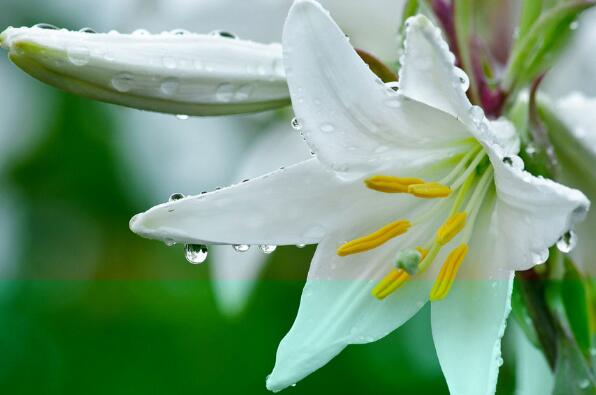
Lilies love light but cannot tolerate heat. What are the growing methods and precautions?
When it comes to lilies, everyone knows them. Their flowers bloom pure white, their form is elegant, and they look absolutely beautiful. Growing a pot of lilies at home is definitely a great choice. So how do you grow potted lilies? Below is a carefully compiled guide to lily growing methods and precautions, very comprehensive.
-
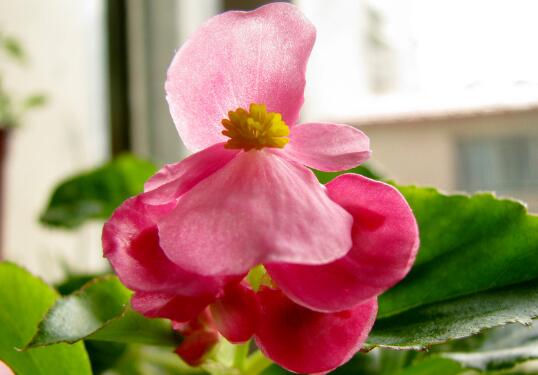
Does wax begonia need sun? Its light requirements: it loves light but cannot tolerate strong light
Wax begonia is the most common species among begonia plants. Its flowers are very graceful, and it is one of the main flowers for indoor and outdoor decoration. However, if you want it to be ornamental, then the cultivation process of wax begonia cannot be careless at all, and light is the key point. So does wax begonia need sun?
-
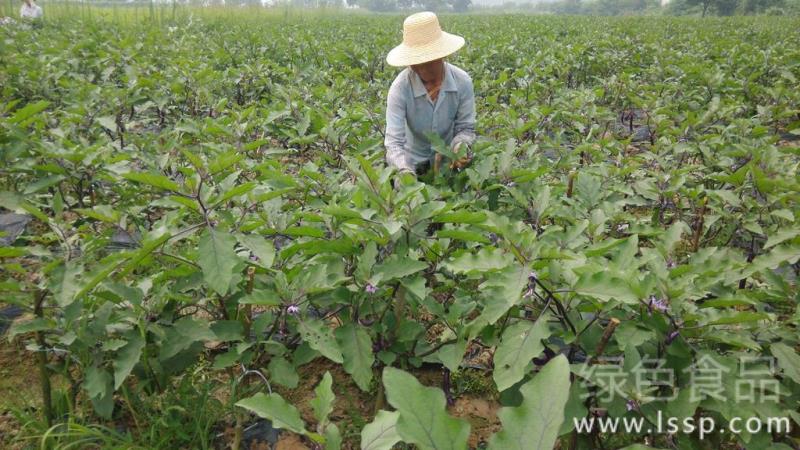
Open-field eggplants like water but cannot tolerate waterlogging. How should they be managed in summer?
Open-field eggplants like water but cannot tolerate waterlogging: how to manage eggplants well in summer
条件筛选