-

Shade-tolerant and they still bloom all year? These three potted plants are effortless to care for
Many flower lovers have only average light at home and always say, "I want to grow flowers but get no sun, so I can only keep pothos"? Actually, some plants are naturally shade-tolerant and can bloom all year round, and they thrive even in a living room or on a north-facing balcony. Anthurium: it is a "shade-tolerant blooming little expert." Its red spathes look like little candles, so glossy they seem fake! The "little stick" in the middle is the real flower spike. It can stay in bloom for three or four months without fading.
-
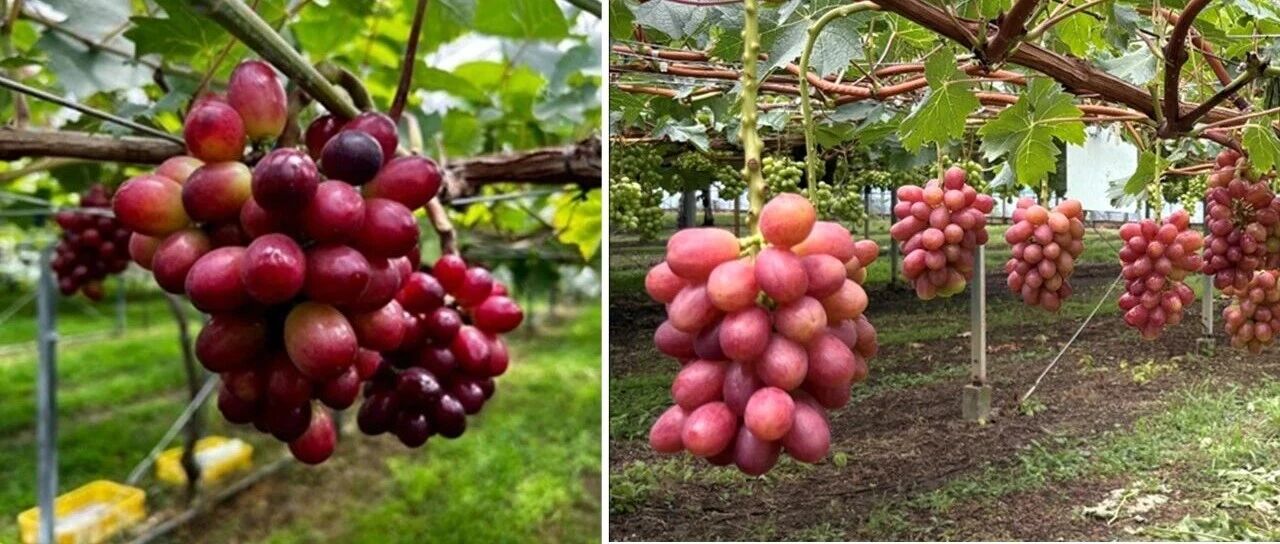
How to Grow Ruby Grapes? Cultivation Methods and Care Tips for Japan's Heat-Tolerant Amethyst Grapes
Aichi Prefecture in Japan has released two new heat-tolerant grape varieties, Amethyst and Ruby, both bred from Shine Muscat hybrids, with early ripening, seedlessness and high sugar content. This article explains in detail how to grow Ruby grapes, the cultivation methods for Amethyst grapes and the key care points.
-
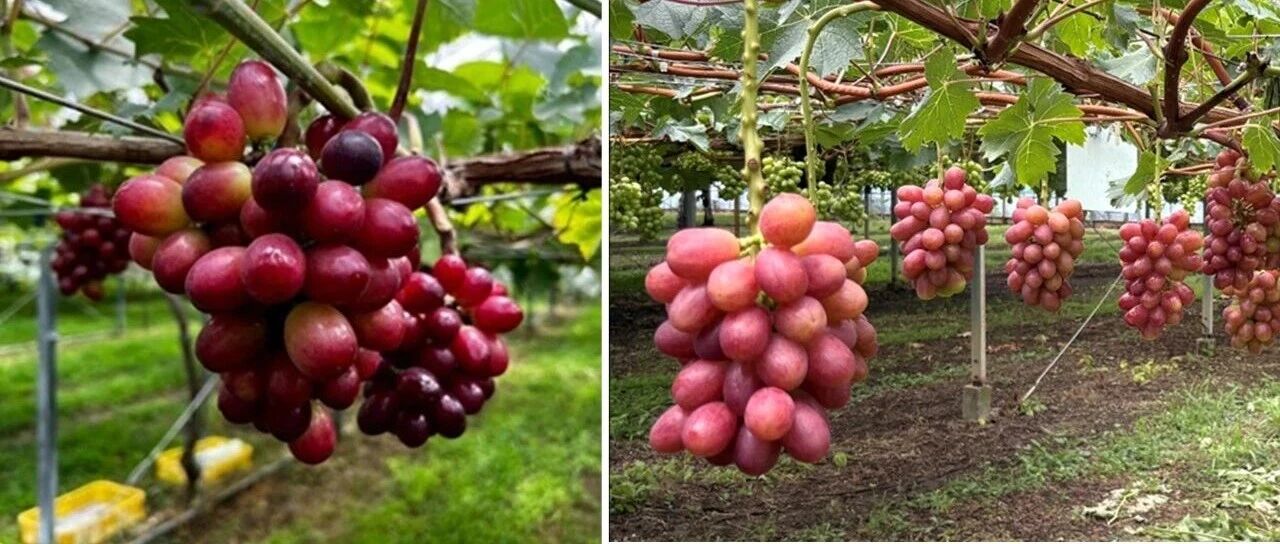
Aichi Prefecture, Japan, releases two new heat-tolerant grape varieties, Amethyst and Ruby, with market launch expected in 2031
The Aichi Prefectural Agricultural Research Center in Japan has released two new heat-tolerant grape varieties, Amethyst and Ruby. They are early-ripening with large berries, can be eaten with the skin, and can be grown seedless. Supply of nursery plants is scheduled to begin in December 2027, with market launch expected around 2031.
-

Is chives a herbaceous plant? A complete guide to chives
Chives, a monocotyledon, are cold-tolerant, relatively heat-tolerant, drought-tolerant but not waterlogging-tolerant, with a tender texture and a strong aroma. They are mainly eaten for their tender leaves, an indispensable seasoning when cooking dishes, fish and soups, and also a major variety for processing dehydrated vegetables.
-
Frosty Dawn is a succulent plant of the Crassulaceae family
Frosty Dawn is a succulent plant of the genus Echeveria in the Crassulaceae family, with its growing season in summer, originating from a cross between Echeveria 'Xingmei' and Echeveria cante. It prefers a warm, well-lit, dry and ventilated environment, is relatively drought-tolerant, not cold-tolerant, and has strong adaptability. This hybrid variety was bred in 1970 by David in the USA.
-
What kind of plant is the primrose? Let us introduce you to this herbaceous plant
The primrose was introduced to Europe at the end of the 19th century. It is now widely cultivated all over the world, and has many horticultural varieties; it is cultivated in many places and is quite ornamental. The primrose prefers a cool, moist environmental climate, is intolerant of high temperatures and strong direct sunlight, and most are also intolerant of severe cold.
-
Introduction to the Sedum dasyphyllum variety, a succulent in the Crassulaceae family
Sedum dasyphyllum is native to arid regions such as West Asia and North Africa, and is a succulent in the Crassulaceae family, genus Sedum. It likes warm, dry, and sunny environments, is not cold-tolerant, fears waterlogging, and should avoid direct sun exposure; it prefers semi-shaded environments. Under low light, the bright green fleshy leaves of Sedum dasyphyllum are especially vivid and beautiful!
-
Is the Desert Rose a Woody Plant? A Detailed Introduction for You
The desert rose, also known as Tianbaohua, is a succulent plant of the Apocynaceae family that likes high temperatures, dry conditions and a sunny environment, and tolerates intense heat but not cold. It gets the name desert rose because its place of origin is close to deserts and its flowers are red like roses; its places of origin are Kenya and Tanzania in Africa. It is beautiful when in full bloom and is often used as a potted ornamental plant.
-
What plant is Sorbaria sorbifolia? Let us introduce you to this woody plant
Sorbaria sorbifolia is native to northern Asia and is widely distributed across multiple provinces in our country. It is suitable as a shrub-type plant, loves sunlight, and has strong shade tolerance, cold tolerance, moisture tolerance, and drought tolerance.
-
What plant is the Happiness Tree? A detailed explanation of its woody plant characteristics
The scientific name of the "Happiness Tree" is Radermachera sinica (China Doll). It prefers a high-temperature, high-humidity environment with plenty of sunlight. It is heat-tolerant, fears cold, favors moisture, and dislikes dryness. For cultivation, use loose, fertile, well-drained loam and sandy loam rich in organic matter. The flowering period is from May to September, and the fruiting period is from October to December.
条件筛选