-

How to Grow Asiatic Dayflower? Detailed Guide to Planting Methods and Care Tips
A detailed introduction to the planting methods and care tips for the Asiatic dayflower, including how to grow it, soil preparation, light and watering, propagation methods, fertilizing and pruning, pest and disease control, and other practical information.
-
How to Grow Alocasia macrorrhizos? Detailed Guide to Planting Methods and Care Essentials
A detailed introduction to the planting methods and care techniques for Alocasia macrorrhizos, including how to grow it, soil preparation, light and watering, propagation methods, fertilizing and pruning, pest and disease control, and other practical content.
-
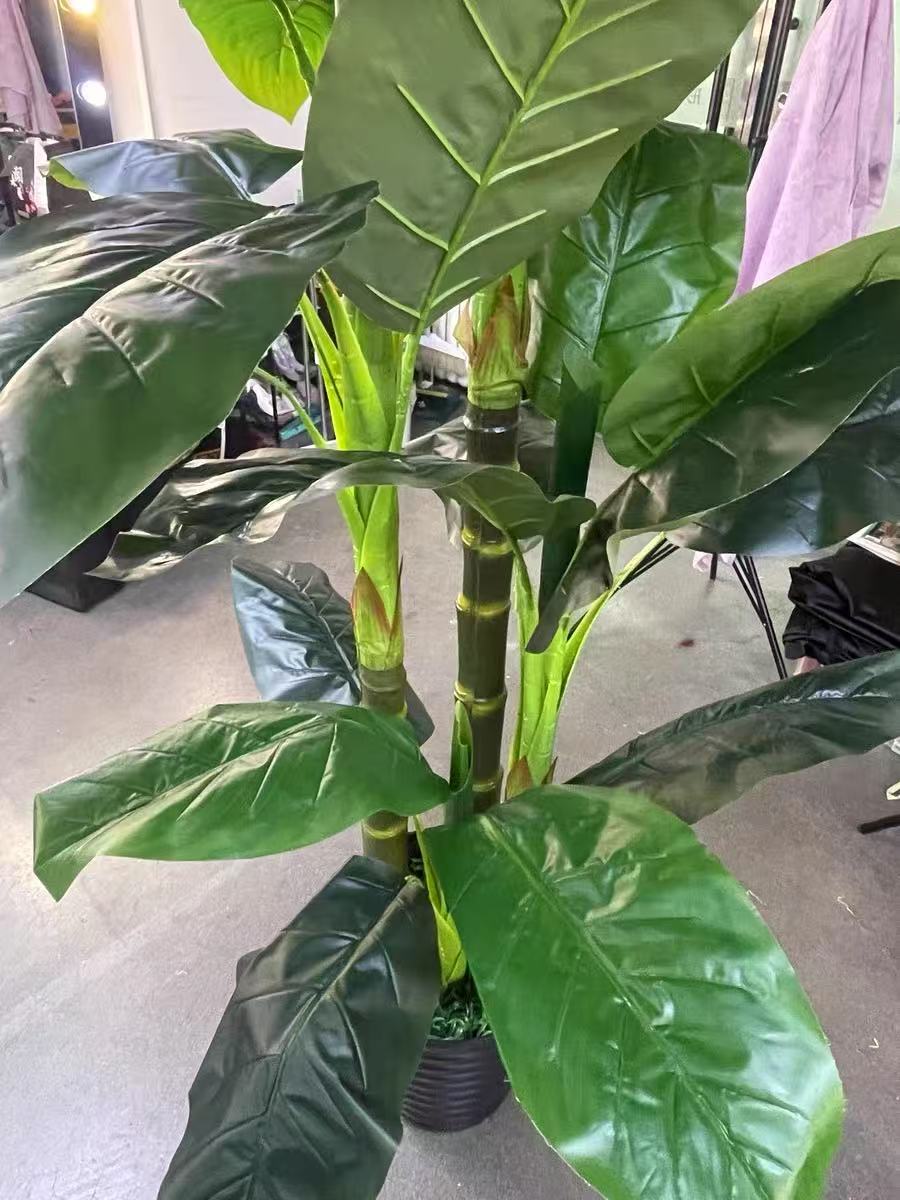
Is Alocasia macrorrhiza toxic?
Alocasia macrorrhiza, also known as Alocasia odora or giant taro, is indeed toxic. The entire plant contains highly toxic substances, especially the
-

Is the elephant ear taro poisonous, and how is it different from Alocasia macrorrhizos (giant taro)?
Elephant ear taro, also known as taro or giant upland taro, is indeed poisonous. The whole plant contains strong toxins, especially the underground stem, where the toxicity is particularly intense. The alkaloid substances contained in elephant ear taro are the main source of its toxicity; these substances can bind to nerve cells in the body, interfere with the normal function of the nervous system, and then produce a
-
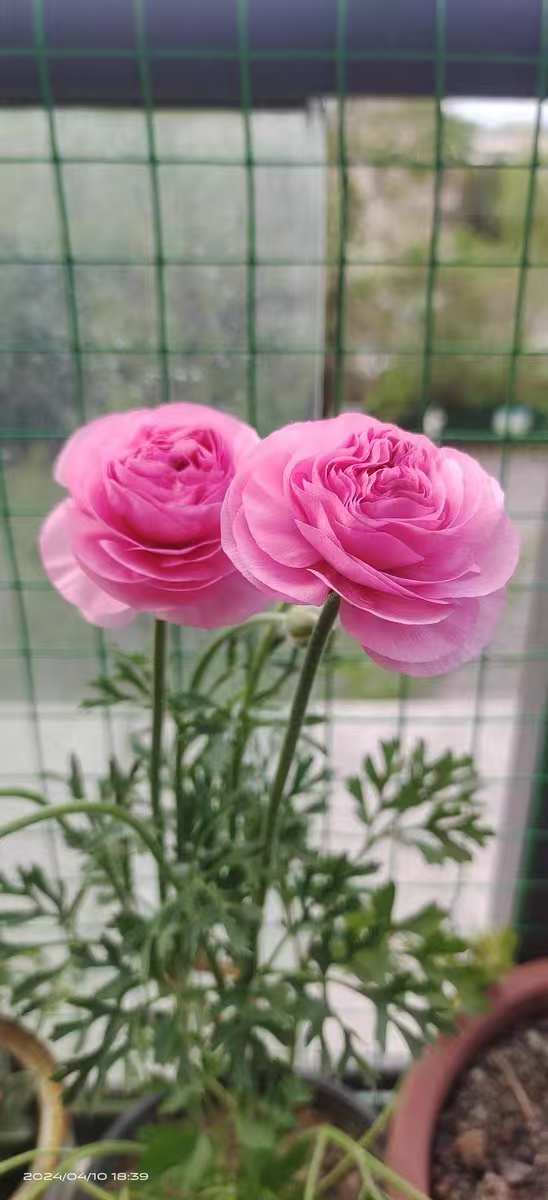
When is the Best Time to Plant Ranunculus asiaticus?
As a beautiful flower, the choice of planting time and method of Ranunculus asiaticus is directly related to its growth condition and flowering quality. This
-
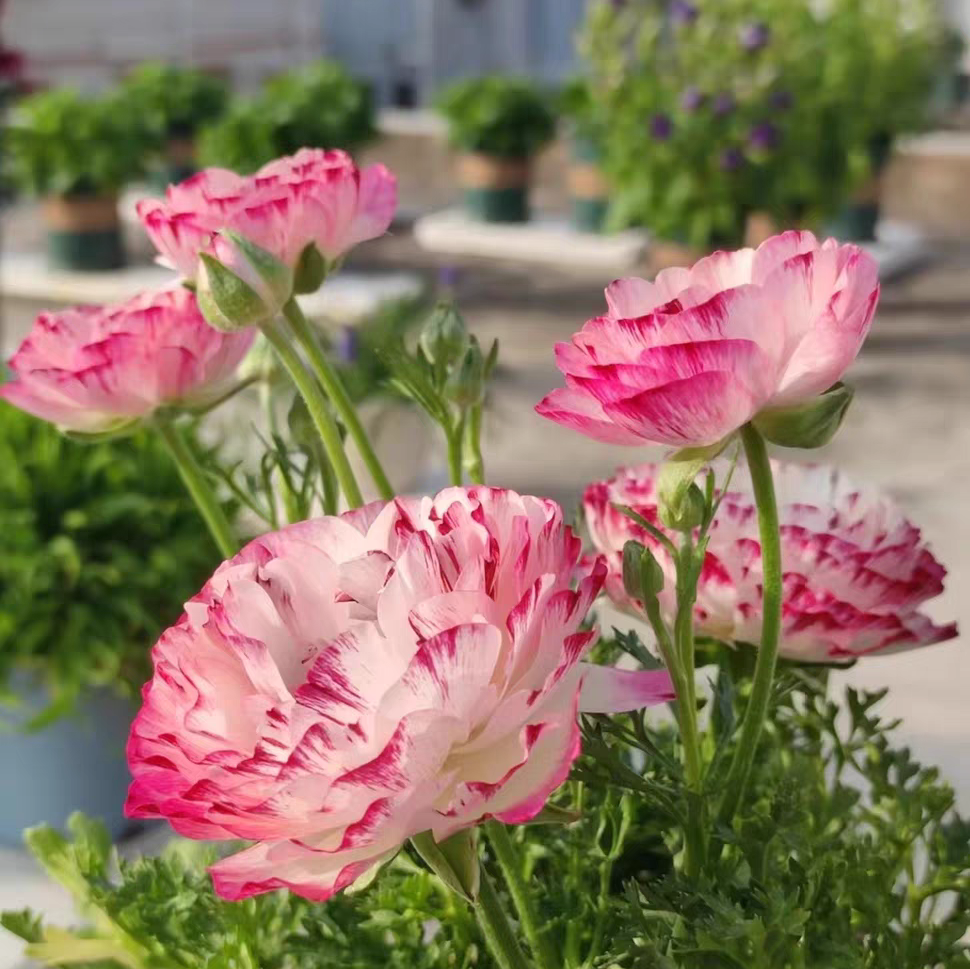
Differences between Ranunculus asiaticus and Eustoma grandiflorum
Ranunculus asiaticus, with the scientific name of Ranunculus asiaticus L., has plump flowers that resemble peonies. The petals are layered one upon another,
-

Is Ranunculus asiaticus an annual or a perennial, and which is easier to grow, it or Eustoma?
Ranunculus asiaticus, a member of the Ranunculaceae family, is a perennial herbaceous plant. The plant height is usually between 20 cm and 50 cm, and the tuberous roots are spindle-shaped, often clustered several together at the root crown. The stems are single or sparingly branched, with fine hairs. As for the leaves, the basal leaves are broadly ovate with long petioles, resembling celery; while the stem leaves
-
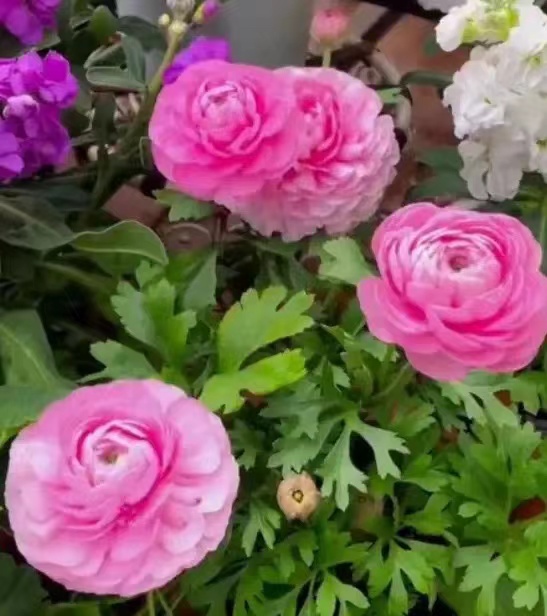
Is Ranunculus asiaticus an annual or perennial plant?
Ranunculus asiaticus, as a member of the Ranunculaceae family, is a perennial herbaceous plant. The plant height is usually between 20 and 50 centimeters. The
-
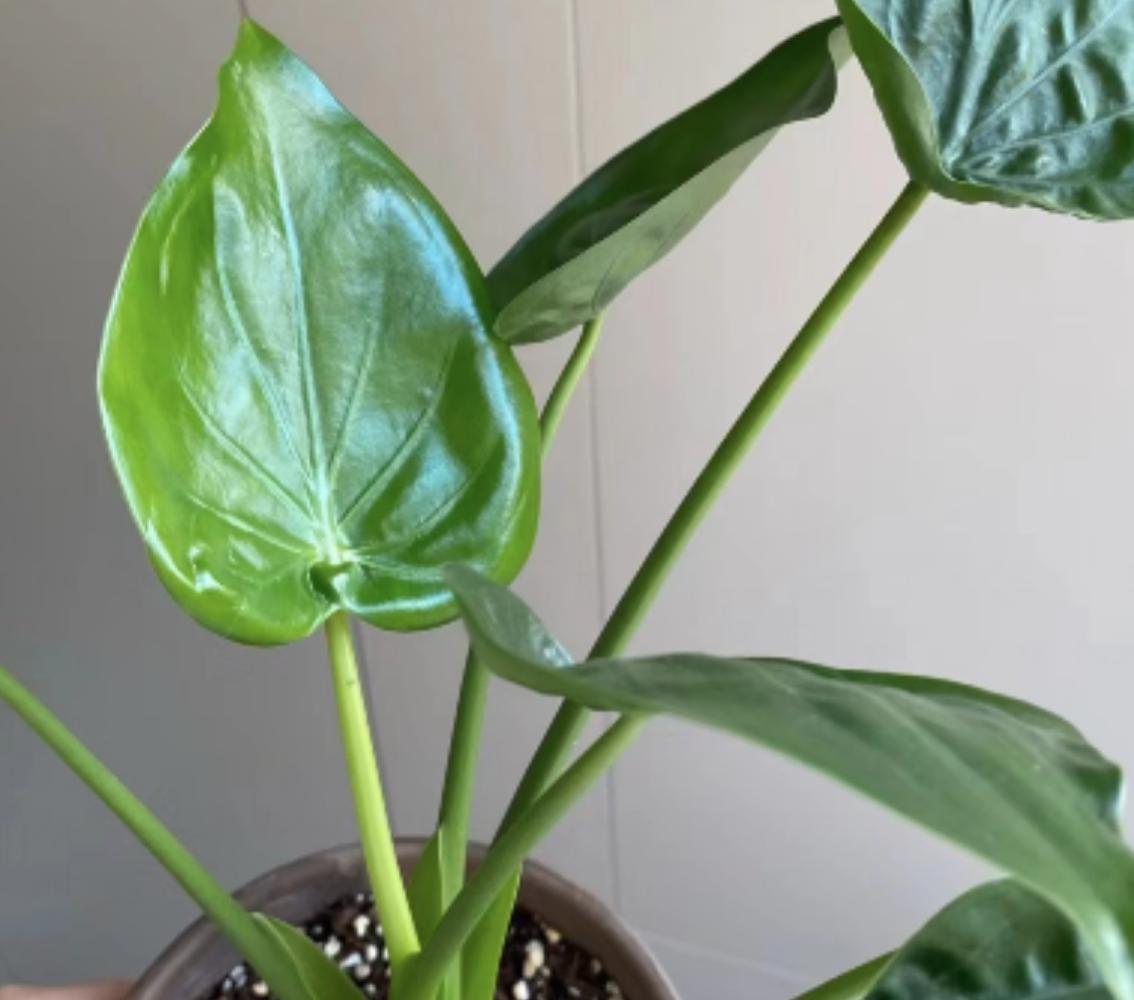
The meaning of the Alocasia macrorrhiza
Drip Guanyin, also known as Alocasia macrorrhiza, is a large green foliage plant. Its elegant form and ability to purify the air have made it favored by many
-

Is the Alocasia macrorrhizos (dumb cane) poisonous? Meaning, feng shui role, and whether it is suitable for keeping at home
Alocasia macrorrhizos, also known as giant taro, is a large green foliage plant. Its form is elegant and it has the ability to purify the air, making it favored by many flower growers. It is said that keeping a pot of Alocasia macrorrhizos can enhance marital affection and create a warm atmosphere. However, it should be noted that Alocasia macrorrhizos is toxic, and how strong is its toxicity
条件筛选