-
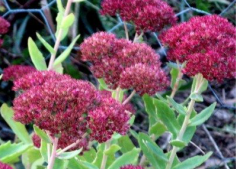
Are Sedum Plants Drought-Tolerant? How to Grow Sedum Plants and How to Propagate Sedum Plants
Sedum plants are a succulent group in the genus Sedum (Sedum spp.) and are very well suited to dry areas of the garden. Growing stonecrop is one of the easier plant projects with easier maintenance and low cultivation requirements. They belong to the genus Crassula, which contains many of our most
-

Recommended Heat-Tolerant Corn Varieties for the Huang-Huai-Hai Region
Heat-tolerant corn varieties for the Huang-Huai-Hai region include Dedan 5, Zhengdan 958, Yudan 132 and others. Compared with traditional grain crops such as rice and wheat, corn has strong drought tolerance, cold tolerance and tolerance of poor soil, as well as excellent environmental adaptability, and corn has high nutritional value
-
Key Points of Spring Cabbage Cultivation Techniques and Detailed Field Management Methods
Abstract Variety selection: early-maturing varieties with low-temperature tolerance and a relatively short growing period should be selected. Sowing and raising seedlings: raise seedlings in a greenhouse or small arched shed in early to mid-March. Land preparation: plow the land before winter, and after the soil thaws in spring, apply sufficient base fertilizer, then make low beds. Transplanting: when the
-
What are the growing conditions for Fritillaria cirrhosa? A detailed explanation of environmental requirements
Summary Fritillaria cirrhosa has the characteristics of cold tolerance, moisture preference, shade preference and fear of high humidity, so it likes cool climate conditions. When the air temperature reaches above 30°C, or when the soil temperature exceeds above 25°C, Fritillaria cirrhosa will show wilting, so it is not suitable for cultivation in areas with high temperatures and low altitude
-
Detailed Explanation of Key Wheat Cultivation and Management Techniques
Summary Wheat is prone to late spring cold spells and late frost damage in spring. Before the severe weather of heavy rain and strong winds arrives in March, wheat should be watered in time to promote a rapid rise in soil temperature and reduce the probability of frost damage. When wheat enters the green-up and jointing stage, it can be top-dressed with
-
Licorice Planting Techniques and a Detailed Guide to Planting Time and Methods
Because of its drought-tolerant and cold-tolerant growing habits, licorice is currently distributed fairly widely in the northern regions of China. Licorice has strong medicinal properties, so its sales on the market are currently quite good, which has led many people to want to grow it. So before planting,
-
How to Grow Green Bell Peppers: A Detailed Guide to Planting Methods and Management Techniques
Green bell peppers are a warm-loving vegetable that does not tolerate waterlogging. Because of their high nutritional value and wide range of culinary uses, they are increasingly favored by consumers, and in some places the price of green bell peppers keeps rising. So many people want to grow green bell peppers, and there are many
-
Integrated Control Methods and Technical Key Points for Spinach Downy Mildew
Spinach (Spinacia oleracea L.), also known as Persian spinach, red-root spinach, parrot spinach, etc., belongs to the genus Spinacia in the subfamily Chenopodioideae of the family Amaranthaceae, and is an annual herbaceous plant. The plant can reach up to 1 m in height, with a conical taproot that is reddish, rarely white, and leaves that are hastate to ovate, bright green, with entire or
-
Field management key points during Saposhnikovia divaricata cultivation
Saposhnikovia divaricata has strong adaptability and strong drought tolerance; as long as a full stand of seedlings is ensured, management during the growing period is relatively simple. To promote its growth and development, some growth-promoting and growth-controlling measures can be taken. (1) Topdressing and watering In general, when Saposhnikovia divaricata is cultivated artificially in the first year, if sufficient base fertilizer is applied, it rarely
-
Sharing Experience in Winter Onion Cultivation
Onions are cold-tolerant and moisture-loving, widely adaptable, easy to grow, strongly resistant to insects, tolerant of storage and transport, high-yielding and economically rewarding, making them one of the more ideal varieties for winter vegetables. Onions taste sweet with a slight pungency, and are also one of the vegetables people enjoy eating. According to the experience of farmers in Yangchun City,
条件筛选