Is chives a herbaceous plant? A complete guide to chives
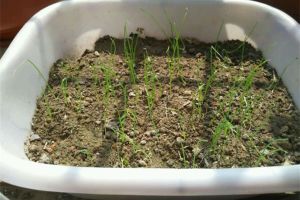
Morphological characteristics of chives
The clump is upright, generally 45-55 cm tall, with a spread of 12 cm * 15 cm, medium tillering ability and vigorous growth. The tubular leaves are about 40 cm long and 0.6-0.8 cm in diameter, green. The white stalk is 8-10 cm long and 0.7-0.9 cm in diameter. The bulb does not swell, the white stalk near the ground is slightly thicker, and the fibrous roots are white.
Growth habits of chives
Chives have strong tillering ability, a short growing period, a high multiple-cropping index and strong adaptability, and are relatively easy to cultivate. Chives originated in Germany and belong to the Liliaceae genus as a biennial or perennial root plant.
Early-maturing, generally harvested 50-80 days after transplanting or direct sowing, cold-tolerant, relatively heat-tolerant, drought-tolerant but not waterlogging-tolerant.
Home care tips for chives
Environmental requirements
Chives are relatively cold-tolerant and heat-tolerant, and can be planted in all four seasons. The most suitable growth temperature is 18°C-23°C. Their root system is shallow, their water requirement is small, they are not drought-tolerant, and they are suitable for planting in sandy soil.
The light intensity requirement is moderate; under strong light they tend to age and their quality deteriorates. Water sources, soil and air quality should meet the requirements of pollution-free production areas.
Propagation methods
Sowing: Sowing can be done in spring, summer, autumn and winter, choosing fertile and loose soil.
Division: When dividing, be careful to bury the whole bulb in the soil and gently cover it with a layer of fine soil.
Related Articles
- How to prevent and control pests and diseases on desert rose? Ventilation and dryness are the key to prevention
- The three main causes of cotton diseases: climate, seeds and cultivation
- How to Grow Bird's Nest Fern in Water? Master Temperature, Light, and Water Change Techniques
- A Complete Guide to Identifying and Controlling Common Potted Flower Pests
- Do Carnivorous Plants Need Watering? Pot Watering and Wet/Dry Assessment Methods
- How to manage cotton during the flowering and boll-setting stage? Apply flowering and boll fertilizer heavily, use chemical regulation and pruning to prevent premature senescence
- How to Grow Chinese Hibiscus? Master These 5 Key Points for Blooms All Year Round
- How to Grow Tulips in Water? The Complete Process from Bulb Preparation to Blooming