Angora rabbits cannot tolerate high summer temperatures; how can summer management be done well?
The comfortable living temperature for Angora rabbits is 10°C-25°C; when the temperature is below 5°C or above 30°C, they will be uncomfortable. Therefore, high summer temperatures are unfavorable for the growth and development, reproductive capacity, and wool production of Angora rabbits, so summer management of Angora rabbits needs to be strengthened.
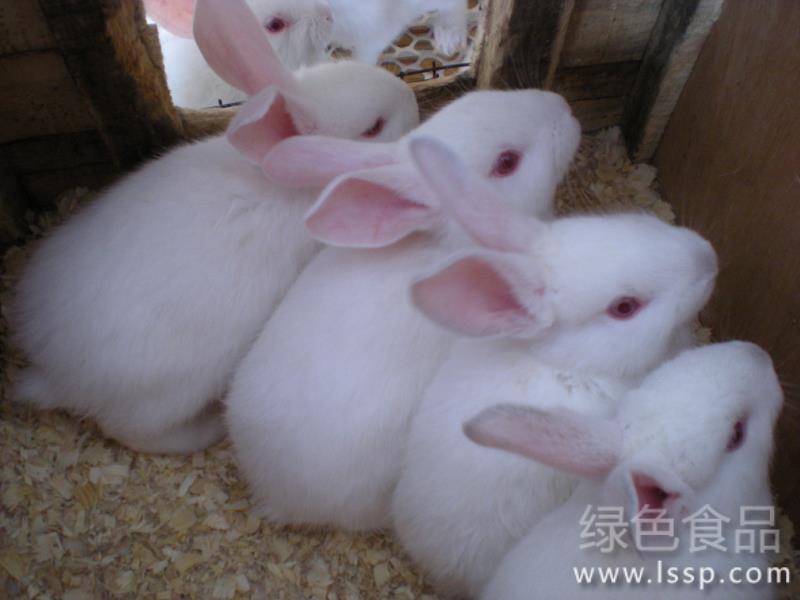
Rabbits
Heat prevention and cooling:The doors and windows in the rabbit shed should be opened frequently to allow air circulation and maintain ventilation. If the rabbit shed is outdoors, a shade awning should be set up before the hottest days of summer arrive to avoid direct sunlight; secondly, when the outdoor temperature reaches above 38°C, the rabbit shed should be sprayed with cool water to lower the temperature, and at the same time grass and trees should be planted around the rabbit shed; if conditions permit, fans or air conditioners can be installed in the rabbit shed.
Strengthen feeding management: First, the amount of green fodder fed in summer should be increased, and water should be kept available all day; an appropriate amount of electrolytic multivitamins can be added to the drinking water; second, after plucking wool, prevent mosquito and insect bites; if the skin is broken, apply medicine promptly; third, disinfect and eliminate sources of infection, and cut off the routes of pathogen transmission. Disinfect once every 7-10 days with Nongfu, Nongsha, and dibromohydantoin. Regularly add an appropriate amount of antibiotics to the feed, such as oxytetracycline and norfloxacin, which can enhance the resistance of wool rabbits.
Carry out medicinal bathing:Medicinal bathing can accelerate the growth rate of rabbit wool, increase wool yield, make the coat white and glossy, loose and not tangled, and at the same time can prevent diseases such as sarcoptic mange.
(1) The method for preparing the medicinal solution is: add 150-200 grams of trichlorfon powder to 50 kg of warm water to make a solution with a concentration of 0.3-0.5%, then add 150 grams of sulfur powder, stir evenly, and use for bathing; alternatively, use 100 grams each of hibiscus bark and sophora root, add 2.5 kg of water, filter out the medicinal liquid, then add 100 grams of sulfur powder and 5 kg of boiling water, mix well, and use for bathing after it cools. The medicinal solution prepared above can be used for medicinal bathing of 20 Angora rabbits. (2) Bathing method: 10 days after wool shearing, choose warm, clear weather for a warm bath (do not frighten the rabbits; before medicinal bathing, the wool rabbits should be full). During medicinal bathing, hold the rabbit's ears with one hand and place the rabbit into the bath basin so that the whole body except the head is immersed in the medicinal solution, while using the other hand to wash and brush the entire body of the wool rabbit from bottom to top, preferably washing up to the ears and head. Wool rabbits with sarcoptic mange should be bathed separately.
Combing rabbit wool:In summer, the temperature is high; comb the rabbit wool once every 3 days.