Rabbits are cold-tolerant but fear sudden drops in temperature: key points for rabbit care in winter
In winter, temperatures are low, daylight is short, and green feed is scarce, especially in the north. Although rabbits fear heat and are relatively cold-tolerant, their cold tolerance is limited, and colder is not always better. If the temperature drops below 5°C, rabbits will feel uncomfortable. To adapt to low temperatures, rabbits can only boost their own metabolism to generate more heat and maintain body temperature. Therefore, feed amounts should be appropriately increased in winter. Rabbits fear sudden drops in temperature most, especially sudden cold air invasions, which make them prone to illness, such as colds, rhinitis and diarrhea. Therefore, appropriate insulation measures should be taken in winter.
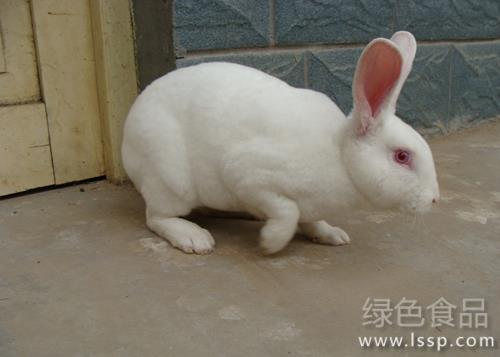
Rabbits
1. Close doors and windows, leaving only appropriate windows or vents for ventilation, and seal north-facing windows with plastic film. Especially at night, doors and windows must be closed tightly to prevent drafty wind from invading. During the day, south-facing doors and windows can be opened for ventilation, with the amount of ventilation depending on the weather. Listen to weather forecasts, and when a cold wave is coming, close doors and windows in advance.
2. Keep the hutch dry; low temperatures with high humidity make rabbits even more uncomfortable. Rabbits like cleanliness and dryness, and the optimal relative humidity is 60%. Whether in hot summer or cold winter, humidity in the rabbit hutch must not be too high; when humidity exceeds the proper range, it is unfavorable to rabbits' growth, health and productivity.
3. Increase the amount of feed and raise the energy level of the feed so that the rabbits' bodies produce more heat.
4. Provide warm drinking water to reduce the consumption of body heat in rabbits; mix feed with hot water to add heat energy for rabbits.
5. Add dry grass or wood shavings, etc., for rabbits to lie on, to help with insulation. The bedding material should preferably be one that does not cling to rabbit fur.
6. Heating. Using far-infrared panels for heating works well, but costs relatively more; a coal stove (with a stovepipe) can also be used for heating. No matter which heating method is used, the temperature is required to be relatively stable, the temperature difference should not be too large, and the temperature should not be changed frequently, otherwise rabbits will find it hard to adapt.