-

Water is one of the essential nutrients for foxes.
Water is an essential nutrient for foxes, and it is the main component of cell protoplasm. In the animal body, water accounts for about more than 2/3, of which 40% is in the cells, 20% is in the tissues, and 5% is in the blood. If a fox's body loses all its fat and liver glycogen, and even loses half of its protein, it can still barely survive, but if the body loses 10% of its water, it will die. The digestion, absorption and metabolism of various nutrients in the fox's feed ration all take place in an environment with water. For example, the saliva needed to digest feed,
-
Functions of Essential Nutrient Elements in Garlic and Detailed Explanation of Deficiency Symptoms
Garlic prefers loose soil rich in humus, has strong adaptability to soil pH, and grows well under slightly alkaline conditions. Among the different growth stages of garlic, the demand for nitrogen is the highest, followed by potassium, calcium, phosphorus, and magnesium. For every 1000 kg of fresh garlic produced, it needs to absorb 4.5-5.0 kg of nitrogen, 1.1-1.3 kg of phosphorus, and 4.1-4.7 kg of potassium, with a ratio of about 1:0.25-0.9. The root system of garlic is a string-like fleshy root system, mainly distributed within the 5-25 cm plow layer, and it belongs to shallow-rooted vegetables.
-
Control Methods for Nutrient Deficiency Symptoms in Cut Rose Production
When nutrient elements are lacking, the main causes of nutrient deficiency are generally as follows: differences or errors in the effective ingredient content of fertilizers do not match the actual fertilizer requirement; improper fertilizer blending and application operations cause precipitation and loss, making the nutrient ratio lose balance; factors such as soil pH, soil temperature and poor permeability affect the availability of nutrient elements, so that roses cannot effectively absorb nutrients. Therefore, in soil cultivation, as long as normal fertilization is maintained, deficiencies of major and secondary elements are generally unlikely to occur; sometimes they appear because roses grow fast and consume a large amount
-
What are the precautions for supplementing nutrients to edible fungi?
In the process of cultivating edible fungi, reasonably supplementing various nutrients is an effective measure to increase the yield of edible fungi, but improper supplementation can also be counterproductive. Therefore, the following points should be noted when supplementing nutrients to edible fungi. 1. Supplementation methods: The methods for supplementing nutrients to edible fungi include spraying, pouring, and soaking. The most commonly used method is to prepare a nutrient solution of a certain concentration and spray it on the mushroom bed and mushroom blocks while supplementing water. When spraying during the young bud stage, be careful to spray the nutrient solution on areas without mushrooms or near small mushroom buds, and after spraying, rinse the fruiting bodies with clean water.
-
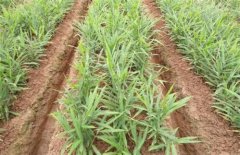
How to Build Soil Fertility? Main Sources of Crop Nutrients and Key Points of Fertility Management
Fertility management: To achieve the goal of sustainable agricultural production, so that nature cycles endlessly and life continues without cease. This is the ecological balance we need to achieve. The main significance of fertility management in sustainable agriculture lies in using natural substances that do not consume energy to supply crop nutrients
-
Can water lilies be grown entirely in water? A detailed guide to the full water-culture method, nutrient solution is the key
Everyone is certainly familiar with the water lily; it is very similar to the lotus and is an aquatic plant. In our guide to growing water lilies, we mentioned that although they are grown in water, they still need soil. Because of this, many flower lovers are puzzled: can water lilies be grown entirely in water? As far as I know, the answer is yes
-

What to Do When Sunflower Leaves Wilt? Leaf Blight, Nutrient Deficiency, and Planting Methods
If asked to name the easiest plants to grow, many people would think of sunflowers. Yet some people find that the sunflowers they are growing have wilted leaves, and some are at a loss about what to do. In fact, with reasonable measures they can be saved.
-

Why does the pitcher plant eat insects? Watch this video of it catching mosquitoes as nutrients
In many people's minds, animals eat plants, but amazing nature overturns all of this, because there exist plants that eat animals, and that is the pitcher plant. As a mosquito-repelling plant, the pitcher plant can prey on mosquitoes, flies and other small insects, which many people probably know. So why does the pitcher plant eat insects?
-
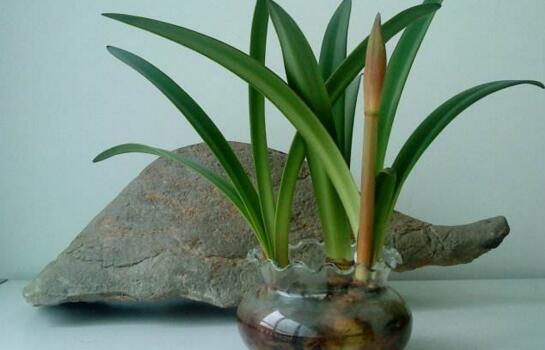
Can Amaryllis Be Grown in Water? Amaryllis Hydroponic Methods / Adding Nutrient Solution Properly
Amaryllis is a plant of the order Liliales and the genus Hippeastrum. Its fresh bulb is spherical and very distinctive, so people often want to grow it hydroponically to achieve a better ornamental effect. So, can amaryllis be grown in water? The answer is yes. Today we will learn about hydroponic methods for amaryllis.
-

How do you grow Venus flytraps with big traps? The pot needs to be deep, the light needs to be ample, and water and nutrients must not be lacking.
Every summer, to avoid the annoyance of flies and mosquitoes, people choose to keep a Venus flytrap at home, because it is a mosquito-repelling plant. It is said that the Venus flytrap's traps can catch small insects such as flies and mosquitoes. The bigger its traps, the better it catches insects. So how do you grow Venus flytraps with big traps? On this point,
条件筛选