Can Amaryllis Be Grown in Water? Amaryllis Hydroponic Methods / Adding Nutrient Solution Properly
Amaryllis is a plant of the order Liliales and the genus Hippeastrum. Its fresh bulb is spherical and very distinctive, so people often want to grow it hydroponically to achieve a better ornamental effect. So, can amaryllis be grown in water? The answer is yes. Today we will learn about hydroponic methods for amaryllis.
Can Amaryllis Be Grown in Water?
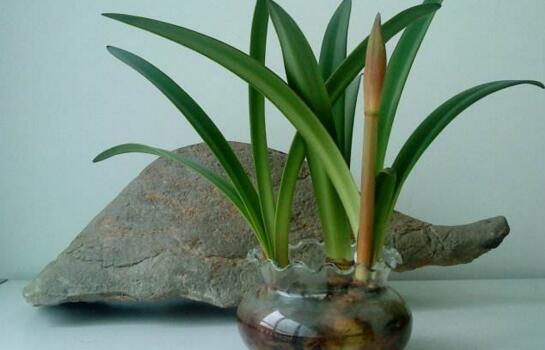
Amaryllis can be grown hydroponically. Its fresh bulb is usually about 5 cm in diameter and is accompanied by stolons, and the flower scape is hollow and slightly flattened; the style is usually also about 10 cm long, so in terms of plant form it is very suitable for hydroponics.
Hydroponic Methods for Amaryllis
1. Selecting the Plant
To ensure that amaryllis survives smoothly after hydroponic cultivation, bulbs that are more than 3 years old should be used, and the bulb diameter should preferably be more than 6 cm. Before autumn, cut off the leaves, then control watering so that the autumn bulb enters dormancy in winter, which can help it bloom smoothly after hydroponic cultivation.
2. Planting
By the spring of the second year, take out the bulb and soak it in potassium permanganate solution, clean the soil from the roots, cut off the old roots, and then secure it on the chosen container.
3. Adding Water
After securing the plant, add water to the container. The water level does not need to be too high; it is enough to submerge one third of the bulb. You can place some stones or gravel at the bottom of the container to help fix the root system and make the hydroponic amaryllis more attractive.
4. Transplanting
After the autumn bulb has taken root, when the roots grow to 0.5 cm, it can be transplanted into a hydroponic container. In hydroponic methods for amaryllis, the choice of container is very important, as it can ensure the standing growth of the amaryllis.
Precautions for Hydroponic Amaryllis
1. Temperature control. During hydroponic cultivation, the temperature should be kept between 10-20 degrees. Do not let the temperature fall below 5 degrees, otherwise the hydroponic amaryllis will not only be unsuitable for survival, but will also be prone to cold damage.
2. Adding nutrient solution. The concentration of the nutrient solution is usually one half of the standard concentration, and after each water change, nutrient solution needs to be added once. It can provide the nutrients needed for amaryllis growth.
3. Changing water. This depends on the growth condition of the amaryllis, but generally the water needs to be changed once every 7-10 days or so. When changing the water, do not let the roots soak entirely in water, to avoid root rot. If root rot occurs, it can be cut away promptly.
Can Amaryllis Be Grown in Water? Hydroponic Cultivation Methods for Amaryllis
Image: Hydroponic amaryllis
[Common Questions] Can Amaryllis Be Grown in Water? Hydroponic Cultivation Methods for Amaryllis
[Expert Answer]
For amaryllis cultivation methods, outdoor planting generally means planting directly in soil, and indoors potted planting is also chosen. However, recently many flower lovers have also used hydroponic methods to grow amaryllis, so below the editor will introduce hydroponic methods for amaryllis.
Hydroponic Methods for Amaryllis:
1. After the amaryllis bulb has grown roots of about 0.5 cm, move the amaryllis into a clean hydroponic container, support it upright with a hydroponic basket, and keep the water depth at a level that submerges half of the bulb. Finally, place it indoors in a sunny spot. Keep the room temperature at about 10-20°C, check the cultivation bottle regularly, and change the water in time. For the first half month, change the water once every 2-3 days, and afterward change the water once every 4-5 days. The water level in the container should always be kept at the original water line.
2. To make the plant grow better and the flowers bloom more brightly, when the leaves have grown to 2-3 cm, fertilizer can be supplemented regularly. Every 10-20 days, when adding water, appropriately add 1% urea solution or 0.03% potassium dihydrogen phosphate or other compound fertilizer liquid containing nitrogen, phosphorus, and potassium.
3. Hydroponic amaryllis can still bloom the following year. After flowering, when the weather becomes warm, move it into potted soil to continue growing. By then, as long as more water and fertilizer are applied, it can quickly recover and become a strong seedling. In winter, hydroponic cultivation can be continued in this way.
4. When the amaryllis flowers have fully opened and begin to decline, cut off the flower scape 2 cm from the base of the scape, so as to prevent it from competing for nutrients with other developing flower scapes or leaves. At the same time, do not damage the leaves. Keeping the leaves healthy and with vigorous photosynthesis can create and accumulate nutrients for blooming again the following year. The leaf shape of amaryllis is very beautiful, so even after the entire flowering period it can be maintained as a green plant for foliage viewing. When the weather turns warm, move it into potted soil to continue cultivation.
[Editor's Comments] Hydroponic methods for amaryllis are very simple, similar to growing narcissus, but hydroponic narcissus often cannot bloom the second year, while amaryllis can. It is enough to pay attention to applying fertilizer and water to restore its vitality. The editor of First Agricultural Economics above has introduced hydroponic methods for amaryllis for you. Friends who are interested can try it and see whether soil cultivation is better, or hydroponics is more interesting.
Can Amaryllis Be Grown in Water? Hydroponic Methods for Amaryllis
Amaryllis prefers a warm, humid environment with plenty of sunlight, and requires cool summers and warm winters. It is a flowering plant, mostly grown in soil and rarely grown in water. If it is half immersed in water, when it blooms, the snow-white roots and green leaves set off the bright-colored flowers, making it appear especially elegant and beautiful. Many flower lovers ask whether amaryllis can be grown in water and what the hydroponic methods for amaryllis are. Below the editor will answer for everyone.
Can Amaryllis Be Grown in Water?
Amaryllis can be grown hydroponically. Hydroponic amaryllis is very simple. In early winter, choose one or several large amaryllis bulbs that have bloomed or not yet bloomed, cut off all the roots and leaves of the amaryllis, peel off the outer dark brown skin to reveal the white and green parts, and soak them in clean water. After about 48 hours, take out the amaryllis bulb, wash off the mushy substance from the cut with clean water, dry it in the shade, and place it into a prepared container.
The container for hydroponic amaryllis can be a bowl, basin, or narcissus pot, etc. Put in washed small stones, perlite, water-absorbing mountain stones, etc., then place the prepared amaryllis bulb on top. After that, pour in clean water, preferably clear spring water (if using tap water, it must have been left standing for several days). The water depth should preferably cover the small stones and other padding materials or be about 1 cm lower than the upper rim of the flower vessel. Finally, place it indoors in a place with sufficient light.
Keep the room temperature at about 10°C, and in about 7-10 days it will begin to grow leaves and roots. The water in the container should always be kept at the original water line. In late spring of the following year, plant the bulb with roots into a flowerpot for routine care. In this way, hydroponically treated bulbs will bloom slightly later than other conventionally potted amaryllis, just in time for the summer flowering period when flowers are scarce.
Hydroponic Methods for Amaryllis
1. Temperature: The optimal temperature for hydroponic amaryllis growing indoors is 20°C-25°C. It is best not to go below 10°C. Cooler temperatures will delay the growth and flowering time of amaryllis.
2. Changing water: Check the amaryllis cultivation bottle regularly and change the water in time. For the first half month, change the water once every 2-3 days, and afterward change the water once every 4-5 days. The water level in the container should always be kept at the original water line.
3. Pruning: When the amaryllis flowers have fully opened and begin to decline, cut off the flower scape 2 cm from the base of the scape, so as to prevent it from competing for nutrients with other developing flower scapes or leaves. At the same time, do not damage the amaryllis leaves. Keeping the leaves healthy and with vigorous photosynthesis can create and accumulate nutrients for blooming again the following year.
4. Fertilizing: When the leaves have grown to 2-3 cm, fertilizer needs to be supplemented in time. Every 10-20 days, when adding water, appropriately add 1% urea solution or 0.03% potassium dihydrogen phosphate solution or other compound fertilizer liquid containing nitrogen, phosphorus, and potassium.
The above is the article on whether amaryllis can be grown in water and hydroponic methods for amaryllis. In order to make hydroponic amaryllis flowers bloom better, you might as well add a little inorganic fertilizer to the newly changed water every week after the flower scape emerges, making it a very dilute inorganic liquid fertilizer. When the flower scape grows to about 3 cm, raise the ambient temperature to about 25 degrees. When the flower buds are about to open, place the plant in a cool place with an ambient temperature of about 10 degrees. Doing so can make the amaryllis flower color more vivid and the flowering period longer.