-

A Detailed Guide to Using Nutrient Solution for Hydroponic Plants
How to Use Nutrient Solution for Hydroponic Plants
-

Fruit and vegetable peels are one of the most nutrient-rich parts of the plant
No one argues that eating more fruits and vegetables can benefit your health. But whether these fruits and vegetables are best consumed with the skin is often a matter of debate...
-
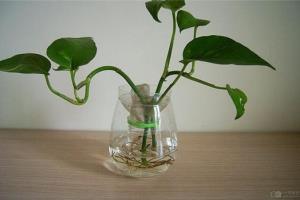
Does hydroponic pothos need nutrient solution? How to grow hydroponic pothos
Does hydroponic pothos need nutrient solution? How to grow hydroponic pothos
-
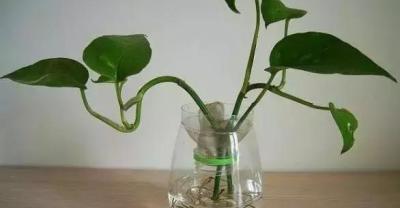
Improper watering easily kills your plants, but this kind of watering water works even better than nutrient solution
Since ancient times, orchids have been a symbol of elegance and purity, with a delicate fragrance and a refined aura, so many friends keep a pot of orchids at home as an ornamental...
-
Principles of fertilizer nutrient balance in organic vegetable cultivation
Actual photo of applying organic fertilizer in organic vegetable cultivation at Air Farm As is well known, the environmental conditions required for crop growth and development, apart from sunlight, temperature, oxygen and water...
-

What nutrients can you get from a single bite of vegetables?
From the image, we see the absorption rate of calcium. Although milk is claimed to be very high in calcium, unfortunately, its absorption rate is only 30 percent...
-

Flower Care Tips: Fertilizing Techniques for Nutrient Soil and Solutions for Insufficient Light
Growing flowers is a hobby, and just like keeping pets, those who grow flowers treat them like their own children, caring for them meticulously, watering them when thirsty, fertilizing them when hungry, and...
-

What to Do About Cotton Nutrient Deficiency? Cause Analysis and Remedial Measures
Causes of and Remedial Measures for Cotton Nutrient Deficiency
-
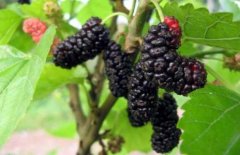
What nutrients do mulberry branches and mulberries each contain?
It is said that the mulberry tree is a treasure from top to bottom, so let's take a look at what functions the mulberry tree actually has and what nutritional value it offers. The bark and roots of the mulberry tree can be used in traditional Chinese medicine, known as mulberry white bark and honey-processed mulberry white bark; the leaves, dried and ground into powder, can also be used as medicine. The unripe fruit and the green branches of the mulberry tree contain a white latex, which may be slightly toxic and irritating. In addition, the pollen of the male flowers is relatively light and easily inhaled into the lungs, so individuals sensitive to it need to take care. The mulberry tree prefers fertile, well-drained loam, but can grow in a variety of soil types, with a pH of 5.5 to 6.5. Waterlogged areas should be avoided. The mulberry tree needs an average of about one inch of rainwater or irrigation per week; especially when watering is insufficient during the dry season, it may cause fruit drop. Iron, zinc, magnesium, barium, copper, and boron are the trace elements it needs, and organic fertilizers containing these elements can be purchased for use.
-

Taiwan engineers cultivate sesame nutrient rice via genetic engineering
Researchers at the Graduate Institute of Biotechnology of National Chung Hsing University in Taiwan, China, used genetic engineering technology to improve the nutritional value of rice, successfully breeding sesame nutrient rice. The researchers inserted the gene for sesame 2S albumin into the Tainung 67 rice line, cultivating a new rice variety containing sesame 2S albumin, which they named sesame nutrient rice. Sesame nutrient rice mainly increases the methionine content in rice protein, making the amino acid composition of rice protein better match human needs and enhancing its nutritional value. Generally speaking, plant proteins are lower
条件筛选