-
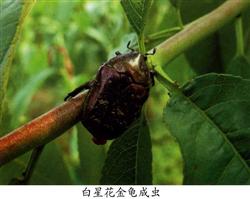
How to control white-spotted flower chafer pests on nectarines
[Morphology and damage symptoms] Adults are 20-24 mm long, purple-copper in color, with more than 10 irregular white spots on the pronotum and elytra. Adults gnaw ripe fruit, making it lose its commercial value. [Occurrence pattern] The white-spotted flower chafer has 1 generation per year, overwintering as larvae in soil and organic fertilizer; it readily breeds in chicken manure. Adults emerge from June to September and fly to orchards, where they like to gather and damage ripe fruit. Adults are attracted to sugar-vinegar liquid, and in July adults look for suitable places to lay eggs.
-
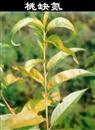
Correction Methods for Nitrogen Deficiency in Nectarines
Soil nitrogen deficiency can turn the leaves of the whole tree from light green to yellow. The petioles and veins turn red. At this point, the growth of new shoots is hindered, leaf area decreases, and the branches and leaves become relatively hard. If the nitrogen deficiency is too severe, within 1 to 3 weeks, red or reddish-brown spots appear in the mesophyll between the large veins. In the later stage, many...
-
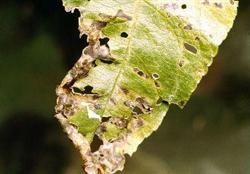
Smart prevention and control of nectarine pests and diseases: new strategies are here
During the growing period of nectarines, the main diseases include bacterial shot hole disease and brown spot shot hole disease, etc. Spray with "Xingao Zhimo" + 70% thiophanate-methyl wettable powder 800-fold solution, 65% zineb wettable powder 500-fold solution. The main pests include aphids, red spider mites, etc., and 10% imidacloprid 3000-fold solution can be used. At the same time, spray Xingao...
-
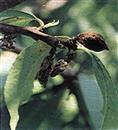
Detailed Explanation of Key Technical Points for Summer Management of Nectarines
Pest and Disease Control The main pests and diseases of nectarines include: peach anthracnose, brown rot, little leaf disease, peach aphid, spider mite, leaf miner, etc. For such pests and diseases, spray 5-degree lime sulfur mixture once before bud break, spray once with 10% pirimicarb-plus wettable powder at 2000 times dilution after petal fall, and in early May and mid-to-late June respectively spray 72% agricultural streptomycin at 3000 times dilution...
-
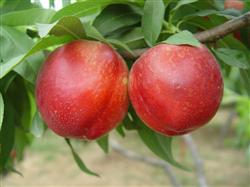
Detailed Explanation of Key Nectarine Cultivation Techniques, Easy for Beginners to Master
Nectarine cultivation techniques are basically the same as those for other peach trees, but in order to fully preserve the characteristics of the variety and achieve high and stable yields, the following key cultivation techniques are proposed: 1. Site selection. Nectarine has a relatively short dormancy period, sprouts and blooms early, likes sunlight, is not tolerant of shade, fears waterlogging, and is not suitable for clay soil. Therefore, plots should be selected that have relatively high temperatures...
-
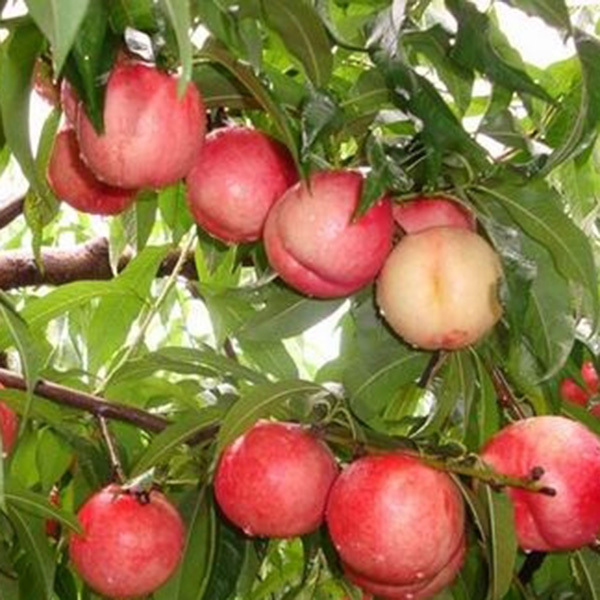
Detailed Explanation of Nectarine Cultivation Techniques and Management Methods
Nectarine Cultivation Techniques
-

-

How to prevent nectarine fruit cracking? A full analysis of practical measures
Measures to prevent nectarine fruit cracking
-
Key Technical Points and Methods for Summer Management of Nectarines
How to manage nectarines well in summer? Please give guidance. Summer nectarine management can refer to the following methods: 1. Control excessive shoot growth to prevent orchard canopy closure. Nectarines have strong branching ability and readily produce secondary even tertiary shoots; in addition, nectarine trees are vigorous, especially with excessive vegetative growth before fruiting. A large number of shoots plus excessive growth...
-
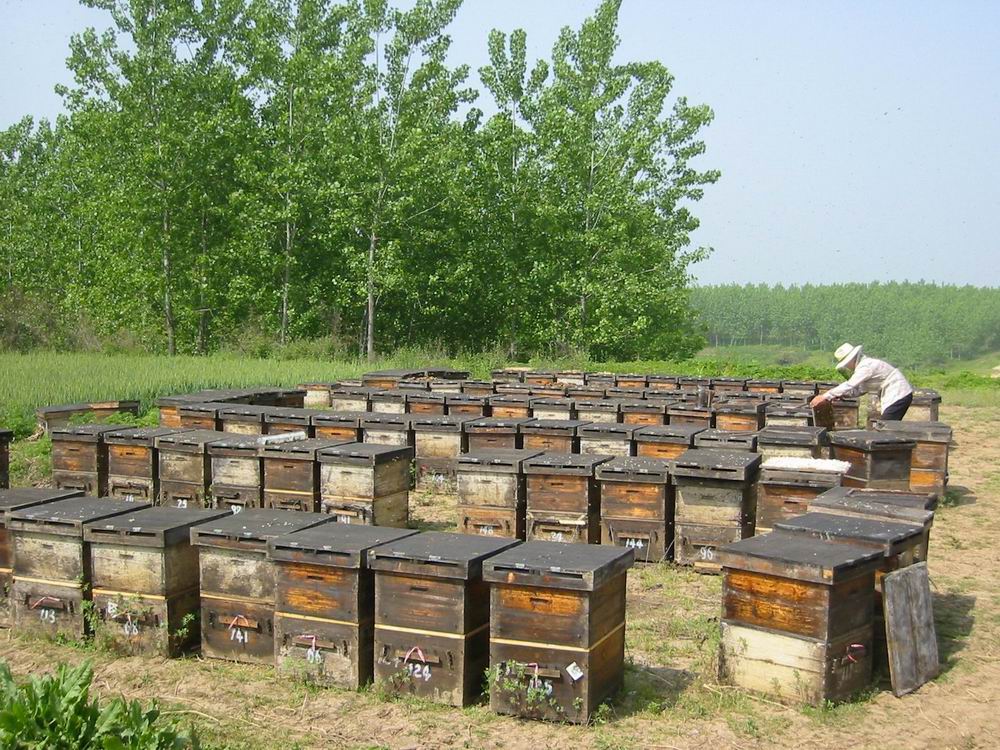
How to Manage Bees Well When the Nectar Flow Is Heavy in the North in Summer
How to Manage Bees Well in Summer When the Nectar Flow Is Heavy in the North
条件筛选