-
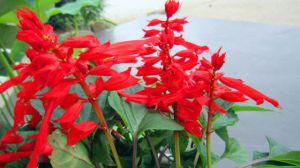
Can the nectar of scarlet sage (Salvia splendens) actually be eaten?
Scarlet sage is non-toxic, and its nectar is not only edible but also has a very good taste and mouthfeel. To eat its nectar, you need to wait until its flowers bloom, then pull the flowers off by hand and take the nectar from the base of the flower. It can be eaten directly or paired with other foods.
-
Can the nectar of scarlet sage actually be eaten?
Scarlet sage is not toxic, and its nectar is not only edible but also has a very good taste and mouthfeel. To eat its nectar, you need to wait until its flowers bloom, then pull the flowers off by hand and take the nectar from the base of the flower. It can be eaten directly or paired with other foods.
-
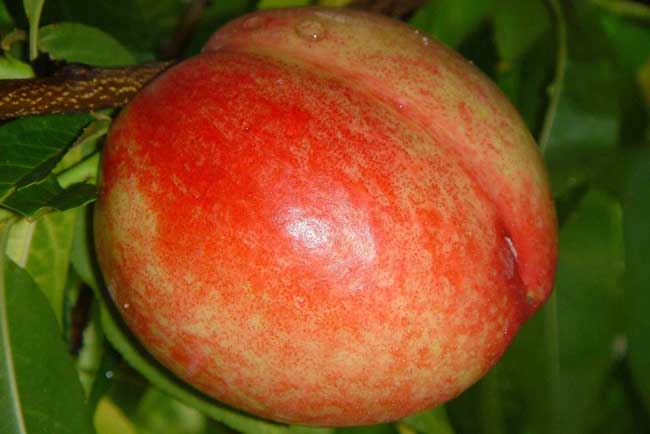
Detailed Explanation of Nectarine Cultivation Techniques and Management Points
Nectarine Cultivation Techniques
-

Key Technical Points for Fine Post-Harvest Management of Greenhouse Nectarines
Greenhouse Nectarines Need Careful Management After Harvest
-
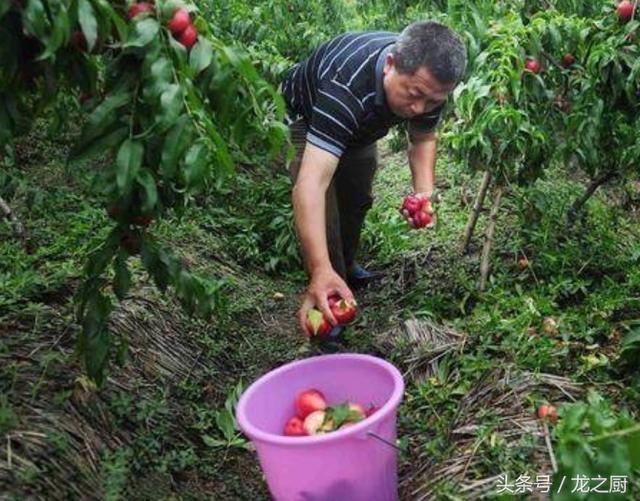
Nectarine harvest season: why do farmers throw them on the ground as fertilizer?
In this harvest season, are the nectarines grown by farmers being thrown on the ground as fertilizer?
-
Venus flytrap is a herbaceous plant; a complete introduction to it
The Venus flytrap is a very interesting carnivorous plant, and can be called the "fighter jet" among plants. It is native to North America. At the tip of its leaves grows a trap that closely resembles a "shell," and it can secrete nectar. When a small insect intrudes, it clamps down on it at extremely fast speed and digests and absorbs it.
-
What plant is the spider flower? Let us introduce you to this herbaceous plant
The spider flower (Cleome hassleriana) is an annual or biennial herbaceous plant in the genus Cleome, family Cleomaceae. Its flower stems are upright, and the plant grows 40 cm-60 cm tall. There is no wild population in China, and it is commonly cultivated in major cities. It is native to tropical America and is cultivated from the tropics to temperate regions worldwide for ornamental purposes; it is also an excellent nectar plant.
-
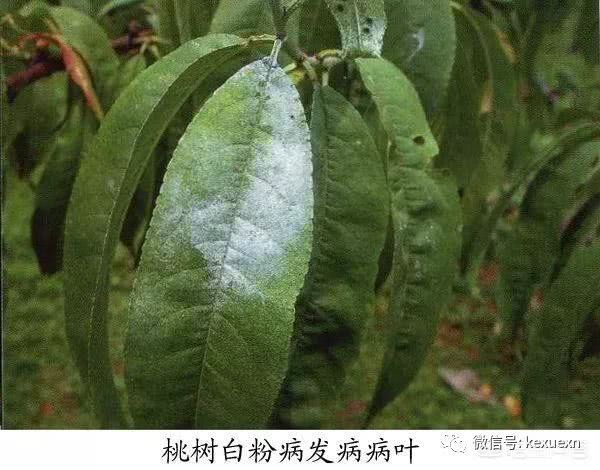
Nectarines got powdery mildew? Try baking soda, it might help
Regarding the use of baking soda to treat powdery mildew, I previously introduced the application of baking soda in vegetables, in which I mentioned that baking soda can treat powdery mildew. Powdery mildew is also a relatively common disease in peaches...
-
条件筛选