-
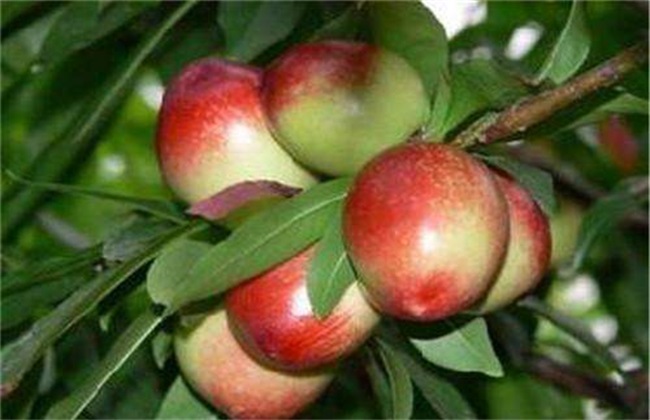
How to graft nectarines? Master these little tips
How to graft nectarines, little tips for grafting nectarines
-
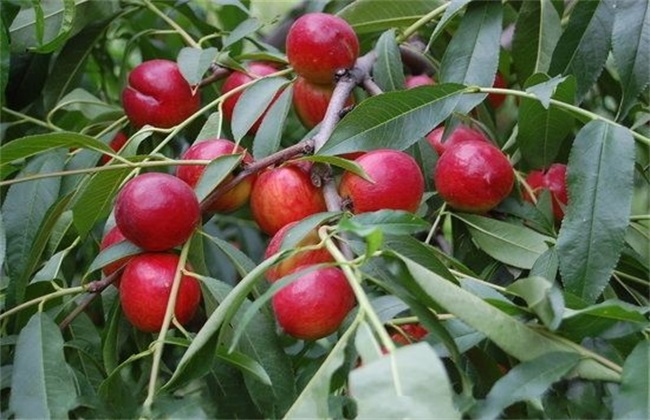
Nectarine Fertilization Techniques: Key Points and Methods Explained
Nectarine Fertilization Techniques
-
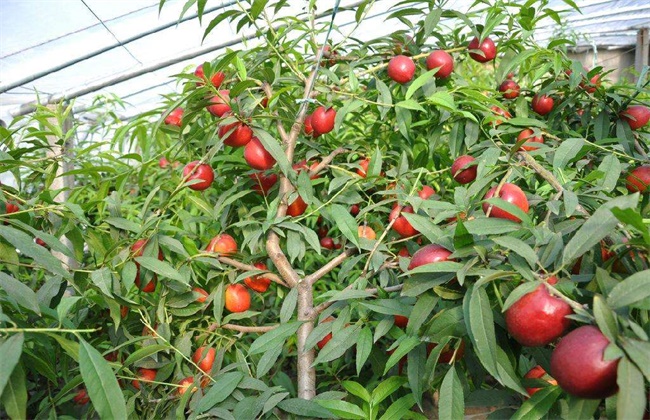
Detailed Explanation of Key Points for Greenhouse Nectarine Cultivation and Management
Key Points for Greenhouse Nectarine Management
-

Detailed Explanation of Nectarine Planting Techniques and Management Methods
Nectarine Planting Techniques
-

How to Manage Nectarines After Harvest? Key Technical Points Explained in Detail
How to Manage Nectarines After Harvest
-

What variety is Mayfire nectarine? What are its characteristics?
In 1980, it was developed by the California Horticultural Experiment Station of the United States Department of Agriculture through embryo culture from naturally pollinated young embryos of Armking. In 1989, it was introduced to the Zhengzhou Fruit Research Institute of the Chinese Academy of Agricultural Sciences. The fruit is oval, with symmetrical halves and a slightly protruding apex; the average single fruit weight is 75 g, and the largest fruit weighs 110 g; the ground color of the skin is orange-yellow, fully covered with red, glossy, and attractive in appearance, and the skin peels easily; the flesh is firm-melting, yellow, without red pigment, medium-much juice, aromatic, with a flavor more sour than sweet;
-
Processing Methods and Technical Key Points for Fresh Peach Nectar
Pulpy juice is also called puree-style juice, with the commercial name "nectar". Fresh peach nectar is one of the most popular juice drinks on the market today. Its process flow is: 1. Raw material selection: Select fully ripe, fresh peaches with good flavor, abundant juice and free from pests and diseases. Peaches that are not fully ripe need to undergo after-ripening. 2. Raw material pretreatment. 1) Cleaning. After the raw materials are selected, wash and scrub them with clean water to remove the fuzz. After cleaning, rinse them in a 1% hydrochloric acid solution or detergent solution to remove pesticide residues, then rinse again in clean water and drain.
-
Greenhouse Nectarine Management Techniques at a Glance
To prevent flower and fruit drop in greenhouse peach trees, start with the following points: strengthen comprehensive management and ensure nutrient supply. The fruit-setting rate and the development of young fruit are closely related to the supply of nutrients. First, late-stage management from the previous year must be strengthened to form good flower buds and raise the nutrient level, such as protecting leaves in autumn, ...
-
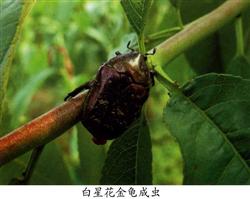
How to control white-spotted flower chafer pests on nectarines
[Morphology and damage symptoms] Adults are 20-24 mm long, purple-copper in color, with more than 10 irregular white spots on the pronotum and elytra. Adults gnaw ripe fruit, making it lose its commercial value. [Occurrence pattern] The white-spotted flower chafer has 1 generation per year, overwintering as larvae in soil and organic fertilizer; it readily breeds in chicken manure. Adults emerge from June to September and fly to orchards, where they like to gather and damage ripe fruit. Adults are attracted to sugar-vinegar liquid, and in July adults look for suitable places to lay eggs.
-
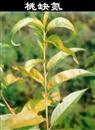
Correction Methods for Nitrogen Deficiency in Nectarines
Soil nitrogen deficiency can turn the leaves of the whole tree from light green to yellow. The petioles and veins turn red. At this point, the growth of new shoots is hindered, leaf area decreases, and the branches and leaves become relatively hard. If the nitrogen deficiency is too severe, within 1 to 3 weeks, red or reddish-brown spots appear in the mesophyll between the large veins. In the later stage, many...
条件筛选