-
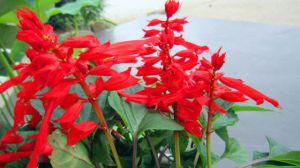
Can the nectar of scarlet sage (Salvia splendens) actually be eaten?
Scarlet sage is non-toxic, and its nectar is not only edible but also has a very good taste and mouthfeel. To eat its nectar, you need to wait until its flowers bloom, then pull the flowers off by hand and take the nectar from the base of the flower. It can be eaten directly or paired with other foods.
-
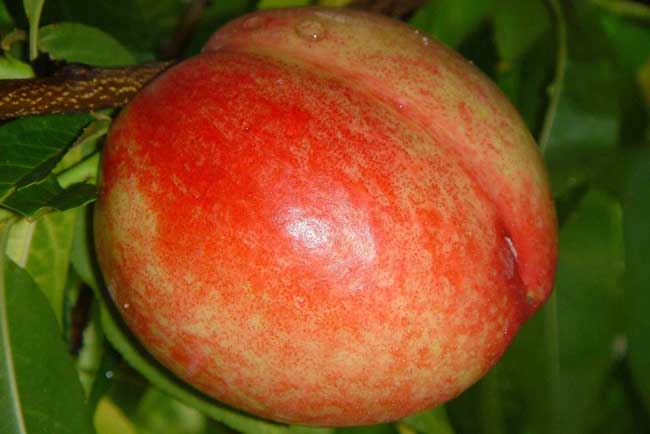
Detailed Explanation of Nectarine Cultivation Techniques and Management Points
Nectarine Cultivation Techniques
-

Longan honey a bust again this year! Abnormal weather means longan trees bloom but produce no nectar; pesticide use on citrus and lychee; beekeepers wander with their bees
Longan honey a bust again this year! Abnormal weather means longan trees bloom but produce no nectar; pesticide use on citrus and lychee; beekeepers wander with their bees
-
Longan honey fails again this year! Abnormal weather means flowers bloom but no nectar flows; pesticide use on citrus and lychee sends beekeepers wandering with their bees
Longan honey fails again this year! Abnormal weather means flowers bloom but no nectar flows; pesticide use on citrus and lychee sends beekeepers wandering with their bees
-
Zhuotongjing's Small Nectarines Open the Door to Prosperity Through Specialty Agriculture
Zhuotongjing: Small Nectarines Open the Door to Prosperity Through Specialty Agriculture
-
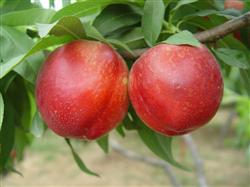
Detailed Explanation of Key Nectarine Cultivation Techniques, Easy for Beginners to Master
Nectarine cultivation techniques are basically the same as those for other peach trees, but in order to fully preserve the characteristics of the variety and achieve high and stable yields, the following key cultivation techniques are proposed: 1. Site selection. Nectarine has a relatively short dormancy period, sprouts and blooms early, likes sunlight, is not tolerant of shade, fears waterlogging, and is not suitable for clay soil. Therefore, plots should be selected that have relatively high temperatures...
-
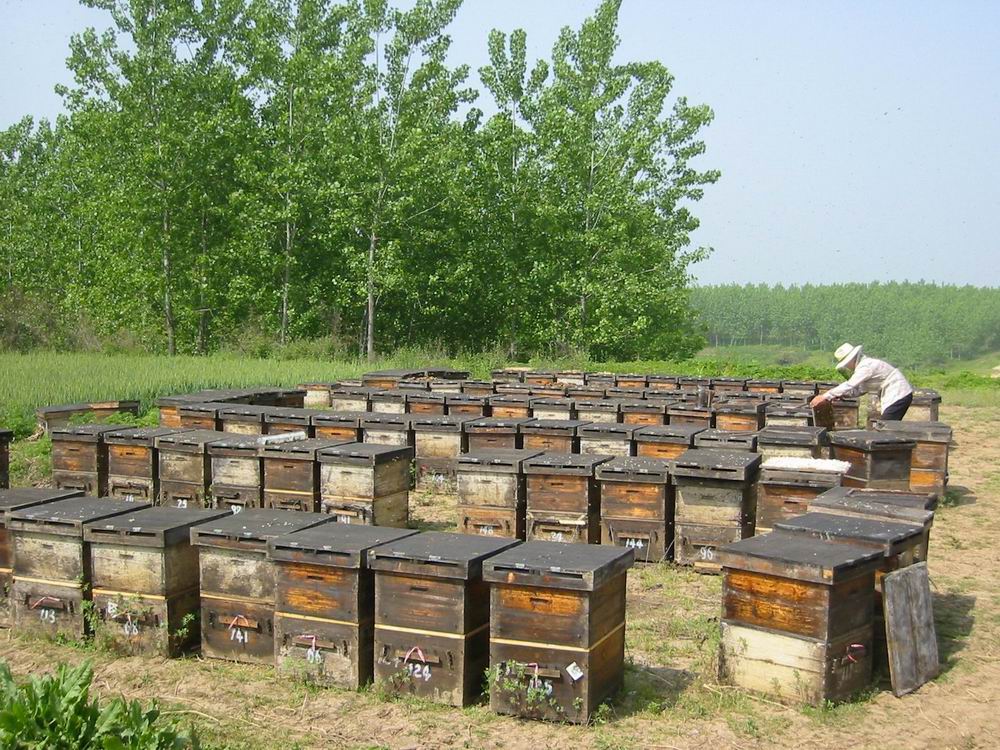
How to Manage Bees Well When the Nectar Flow Is Heavy in the North in Summer
How to Manage Bees Well in Summer When the Nectar Flow Is Heavy in the North
-
Can the nectar of scarlet sage actually be eaten?
Scarlet sage is not toxic, and its nectar is not only edible but also has a very good taste and mouthfeel. To eat its nectar, you need to wait until its flowers bloom, then pull the flowers off by hand and take the nectar from the base of the flower. It can be eaten directly or paired with other foods.
-
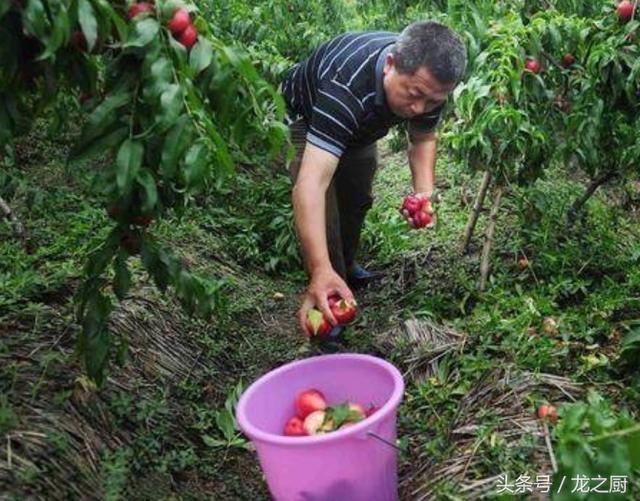
Nectarine harvest season: why do farmers throw them on the ground as fertilizer?
In this harvest season, are the nectarines grown by farmers being thrown on the ground as fertilizer?
-
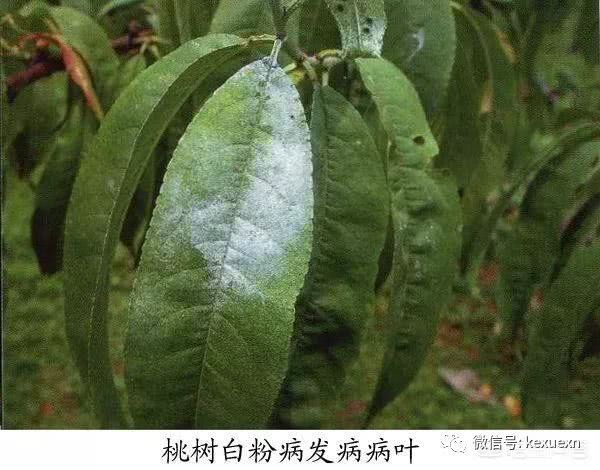
Nectarines got powdery mildew? Try baking soda, it might help
Regarding the use of baking soda to treat powdery mildew, I previously introduced the application of baking soda in vegetables, in which I mentioned that baking soda can treat powdery mildew. Powdery mildew is also a relatively common disease in peaches...
条件筛选