-
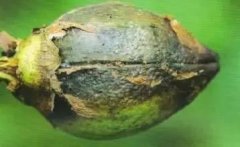
Common diseases of cotton bolls and control methods for cotton boll blackening
Do you know what diseases can occur during cotton cultivation? Below we introduce the most common cotton boll blackening disease. Do you know this disease? What do the symptoms of this disease look like on cotton? What are the control methods? Let's take a look together.
-
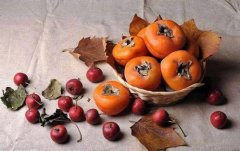
Can Persimmons with an Astringent Taste Be Eaten? Methods to Remove the Astringent Taste from Dried Persimmons
Can persimmons with an astringent taste be eaten? How do you remove the astringent taste from dried persimmons? They can be eaten, but persimmons have an astringent taste while eating them, so what should be done to get rid of this taste? What methods are there for removing astringency? In fact, how quickly persimmons lose their astringency depends both on the variety
-
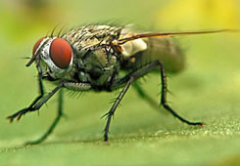
How to Raise Fly Maggots? Fly Maggot Farming Techniques and Adult Fly Rearing Methods
Nowadays, anything can be farmed, and even flies can be farmed, but how do you farm flies? And there are many things to pay attention to during fly farming, did you know? Let's take a look together. 1. Equipment: Fly cage: each fly cage must be equipped with a
-
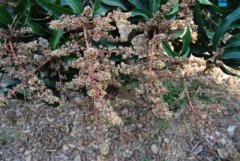
Symptoms and Control Methods of Mango Powdery Mildew
What do the symptoms of mango powdery mildew look like? What are the ecological causes of its occurrence? How should it be controlled, and what are the control methods? Symptoms: This disease can occur on mango inflorescences, young leaves, young fruit and young stems. Generally, a powdery fungal growth can be seen on the affected parts. On young stems and leaves, small lesions in the early stage are surrounded by a brown ring; later the lesions merge into large white patches, which then gradually turn blue-purple. Severely affected young stems and leaves often become deformed; when the lesions continue to develop and encircle the flower stalk, the small fruit on it will begin to turn yellow and drop, so a severely affected mango tree will bear no fruit at all. In the later stage of the disease, the fungal growth at the lesions turns grayish-black. After fruit that has previously been affected develops and grows, a purple network pattern appears on the surface, affecting the commercial value of the fruit.
-
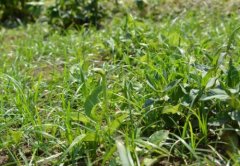
Detailed Guide to Growing Pinellia ternata: Planting Methods and Difficulty Analysis
The tubers of Pinellia ternata are the source of the Chinese medicine "Banxia" (Pinellia ternata). Because it is toxic when used raw, it is mostly used only after processing. This image is taken from the Traditional Chinese version of Wikipedia and is not a specimen I grew myself. The better-known relative of Pinellia ternata is generally the plant commonly known as "plowshare grass," Typhonium divaricatum (Typhonium blumei).
-
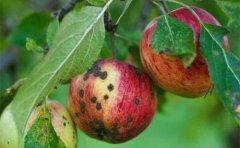
Apple Scab: Control Methods and Specific Fungicides
What does apple scab disease look like? What is the ecology behind its occurrence? What control methods are there? Symptoms: It damages leaves and fruit. Initially, olive-colored irregular round spots appear on the underside of leaves, later turning gray-black, sometimes with a black metallic sheen, and the leaf tissue
-
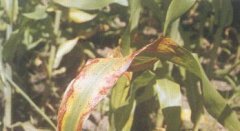
Causes, Symptoms and Control Methods of Sorghum Sheath Blight
What causes sorghum sheath blight? What are its symptoms? How should it be controlled? Let's take a look together. Symptoms: It mainly damages the leaves and the base of the stem. On the leaf sheaths near the ground level, small white-green water-soaked lesions first appear, then expand into oval shapes, with brown margins and lighter centers. Lesions on the leaves appear grayish-green or grayish-white and cloud-like, and most of the lesions merge into a tiger-stripe pattern, causing the entire leaf to wither and die.
-
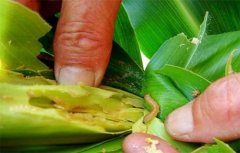
Corn borer damage symptoms, identification and control methods
The corn borer is a common pest that mainly damages crops such as sorghum and corn, hindering crop growth and worsening yield and quality problems. So how should it be controlled? Living habits: This insect is the main pest during the middle and late growth stages of sorghum, but
-
Nandina Growing Methods, Planting Conditions and Cutting Propagation
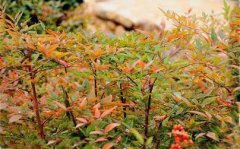
Although the name "nandina" contains the character "bamboo," it has nothing to do with bamboo at all. It is an evergreen shrub of the family Berberidaceae, and can grow up to 2.5 m in height. Its leaves are smooth and papery; new leaves are orange-red and closely resemble maple leaves, and before they drop in winter they turn yellow-red. In summer
-
How to grow lettuce? Planting methods, timing and soil conditions
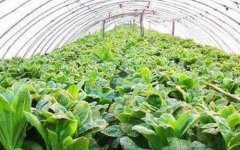
Lettuce cultivation methods are introduced in three aspects: the characteristics of lettuce seeds, the importance of optimal growing temperature and soil conditions. Planting time: In the Yangtze River basin, stem lettuce overwinters in the open field, with spring stem lettuce as the main crop, generally sown in the autumn of the first year from September to October. Seed characteristics: lettuce seeds
条件筛选