How to Raise Fly Maggots? Fly Maggot Farming Techniques and Adult Fly Rearing Methods
Nowadays, anything can be farmed, and even flies can be farmed, but how do you farm flies? And there are many things to pay attention to during fly farming, did you know? Let's take a look together.
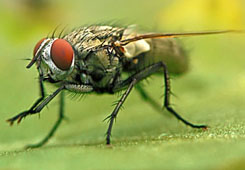
1. Equipment:
Fly cage: each fly cage must be equipped with one drinking cup, three or four feed trays, and one spawning jar. These are the essential items inside the fly cage.
Culture tray: made of plastic or sheet iron, with the quantity determined by the farming scale. The size should be suitable for holding 5 kg of culture medium per tray. Each side of the culture tray is generally 10 cm high, and the culture medium thickness should preferably be 3 cm-5 cm.
2. Feed preparation: the food of adult flies is mainly young maggots. First grind fresh maggots with a meat grinder, then mix well in the following proportions: 95% maggot paste, 5% brewer's yeast, 150 ml water.
3. Rearing techniques: put seed flies into the fly cage. When 5% have emerged and the females and males are found to have begun mating, then put in the spawning jar. The spawning jar is an opaque container with an appropriate amount of bran inside. For ease of management, adult flies should preferably be emerged in batches every 7 days. The egg production of adult flies reaches 1000, and after about 12 days-15 days, once egg production declines, they can be culled. The method is very simple: after removing the bait and water, they will starve to death within two days, or they can be scalded to death with boiling water. Dead flies can be fed directly to poultry to peck at, or dried and crushed, then mixed into feed.
During operation, note: room temperature should be controlled at 24°C-30°C, and humidity controlled at 50%-80%. Every morning, take out the two feed trays in the fly cage (one holding brown sugar, one holding maggot paste) and one drinking cup, rinse them clean, then fill them with feed. To reduce the number of times flies escape, it is also advisable at this time to take out the fly eggs and move them into the larva room for culturing. Put about 40 g of brown sugar in the sugar tray each time, and replace it every 2 days-3 days. Once is enough.
Flies can spread many kinds of diseases, so during the culturing process, take care to prevent the bacteria flies in the cage from escaping. Therefore, a buffer room should be set up outside the adult fly room, and fly-killing devices should also be installed indoors, so as to trap and kill individual adult flies that escape. This can avoid many diseases.