How to grow lettuce? Planting methods, timing and soil conditions
Lettuce cultivation methods are introduced in three aspects: the characteristics of lettuce seeds, the importance of optimal growing temperature and soil conditions.
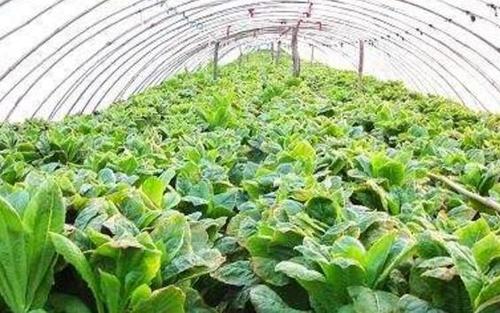
Planting time: In the Yangtze River basin, stem lettuce overwinters in the open field, with spring stem lettuce as the main crop, generally sown in the autumn of the first year from September to October.
Seed characteristics: The optimum germination temperature for lettuce seeds is 15-20°C. Under high-temperature conditions, germination is poor and the seeds easily enter dormancy; above 30°C germination is hindered.
After soaking, seeds will break dormancy under low-temperature conditions. Soak the seeds in running water for 10-12 hours, then keep them at a low temperature of 4-6°C for about 3-5 days to break dormancy. After dormancy is broken, the seeds can still germinate under high-temperature conditions, but if they are only soaked without low-temperature treatment to break dormancy, they will still enter dormancy. Fresh seeds are more sensitive to high temperatures than older, more mature seeds. Seeds with broken dormancy should be sown after being dried in the shade before the radicle breaks through the seed coat. Do not rub seeds with broken dormancy by force, otherwise the endosperm and roots will lose germination ability due to mechanical damage.
Optimum growing temperature: Lettuce is a temperature-sensitive vegetable. At the appropriate seedling age, high temperature can induce flower bud differentiation, and warm long days promote bolting and flowering. The optimum growing temperature is 12-20°C. At 24°C growth is vigorous, and above 24°C plants easily bolt while still small. For heading varieties, leaf heads are not easily formed above 21°C, and excessively high temperatures easily cause necrosis and rotting of the heart leaves.
Leaf lettuce is a cool-season crop. In Taiwan, China, autumn, winter and spring are the suitable cultivation periods. Two local varieties of leaf lettuce can be cultivated year-round, but they easily bolt during high-temperature periods. Heading and tender-stem varieties are not suitable for cultivation during high-temperature periods. During high-temperature periods, leaf heads of heading varieties are not easily formed, and stems of tender-stem varieties are not easily thickened. Upright-leaf and curly-leaf varieties easily bolt while still small during high-temperature periods, and their bitterness is strong.
Soil conditions: Although lettuce has broad adaptability to soil, because its root system is relatively small and distributed only in the topsoil layer, well-drained, fertile organic sandy loam is best. During the growing period, take care to keep the soil moist. A pH of 5.5-6.5 is suitable.