-
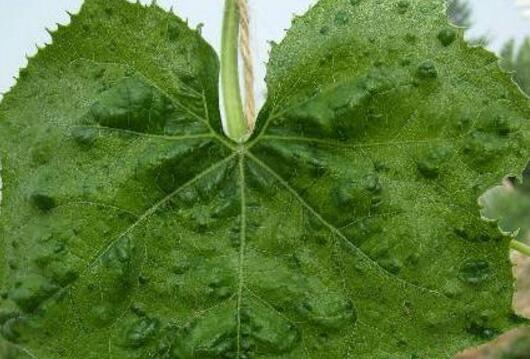
Lantana pest and disease control methods: high humidity and lack of fertilizer and water are the main causes
Even in a wild environment, lantana can grow normally, so its adaptability is beyond doubt. However, even with the strongest adaptability, pests and diseases can still occur due to improper lantana cultivation methods. They can cause lantana to grow weakly and fail to bloom, so timely control is essential.
-
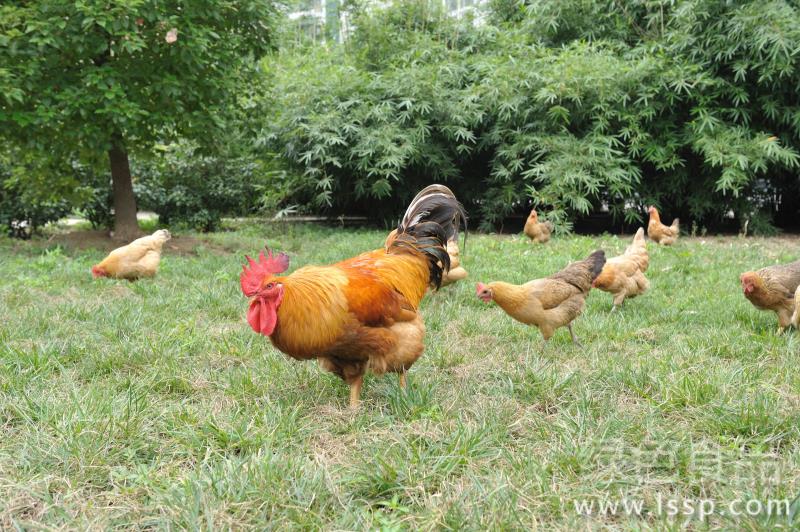
Prevention and treatment methods for acute death of chickens caused by heat exhaustion in high summer temperatures
How to prevent and treat acute death of chickens and heat exhaustion in chickens during high summer temperatures
-
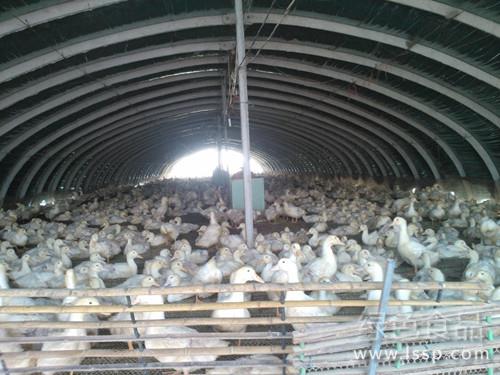
Feeding and Management Methods for Rapid Weight Gain During the Growing Period of Meat Ducks in Greenhouse Farming
Rapid Weight Gain in Greenhouse-Raised Meat Ducks: Growing-Period Feeding and Management
-

-
-
-
-
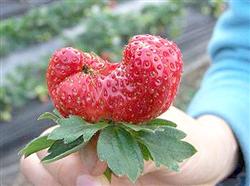
Causes and Control Methods of Deformed Strawberry Fruit in Greenhouses
During the cultivation of greenhouse strawberries, fruits often appear overly fat or overly thin, with deformed shapes such as cockscomb-like or flat forms. Such fruits not only affect strawberry quality but also reduce their commercial value. In order to reduce or even avoid the formation of such deformed fruits, the author now introduces the causes and control methods as follows:...
-
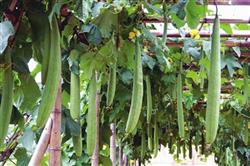
Several Cultivation Methods for Achieving High Yields of Greenhouse Luffa
1. Variety selection. For greenhouse luffa, it is advisable to choose varieties with vigorous plant growth, cold tolerance and strong adaptability, such as the cylindrical luffa. 2. Land preparation and fertilization. Before sowing, in combination with plowing, apply more than 5000 kg of high-quality farmyard manure per mu; after leveling and harrowing evenly, open furrows along the planting rows, and apply another 50 kg of superphosphate and 25 kg of potassium sulfate per mu, ...
-
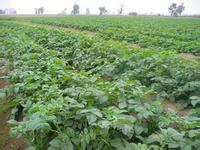
Control Methods and Technical Key Points for Excessive Growth of Greenhouse Potatoes
Mepiquat chloride: During the bud stage to flowering stage of potatoes, foliar spraying of 60-120 mg/L mepiquat chloride (use the lower concentration limit at the bud stage) can inhibit the growth of the aboveground part of the plant, increase yield, and increase the proportion of large and medium tubers. Chlormequat chloride: During the plant bud stage to early flowering stage, use 2000-2500 mg/L chlormequat...
条件筛选