-
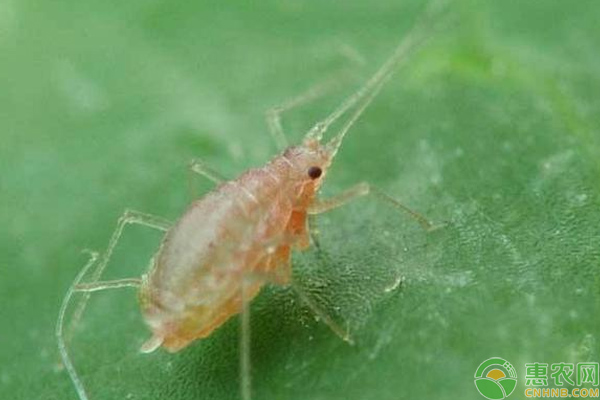
Methods for preventing and controlling pests and diseases of household potted flowers in winter
In the north, many flowers spend the winter indoors. Because indoor temperatures are relatively high, some pests with piercing-sucking mouthparts still grow and reproduce, spreading and causing damage. In addition, some potting soil may also breed pests, so several simple and easy manual control methods are introduced here. (1) Controlling aphids
-

What are the methods for winter care of household potted flowers?
The central issue in winter care of potted flowers is to strive to create suitable environmental conditions according to the growth and development characteristics of each type of flower, so that they can safely overwinter and lay a good foundation for better growth and development in the coming year. For the few flowers that bloom in winter and early spring, care and management should continue to be strengthened so that they grow normally
-

How to Master the Cultivation Methods of the Night-Blooming Cereus and What Are Its Uses
How to Master the Cultivation Methods of the Night-Blooming Cereus and What Are Its Uses
-
Winter Melon Growing Techniques and Management: Fertilization Methods and Disinfection of Land Used for Winter Melon for Many Years
Do you know the growing techniques and management techniques for winter melon? If you want to grow winter melon yourself, take a look at the introduction below. When planting things in land that has grown winter melon for many years, it needs to be disinfected, so how should it be disinfected? 1. Cultivation period: the cultivation periods for each region of this province are as follows
-

Methods for Growing Crown of Thorns and an Analysis of Its Uses
An analysis of how to grow Crown of Thorns and what its uses are
-

Correct Methods of Use and Key Technical Points for Paclobutrazol
Paclobutrazol Application Techniques
-
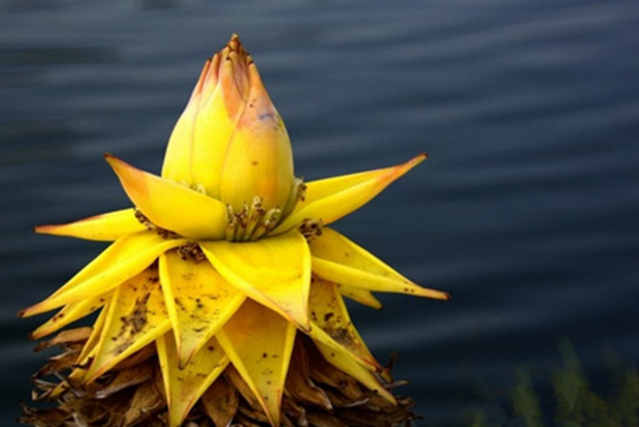
What are the flower meaning, legends and propagation methods of the Musella lasiocarpa?
When the Musella lasiocarpa blooms, it produces false stems layer upon layer from the ground and then flowers, looking as if the flowers are surging up out of the earth, which is why it is named Musella lasiocarpa (Golden Lotus Surging from the Earth). The flower meaning and legends of the Musella lasiocarpa. The legend of the Musella lasiocarpa says that when the Buddha was born, every step he took produced a golden shining golden lotus beneath his feet.
-
Symptoms and Control Methods of Tulip Bulb Rot Caused by Sclerotium tuliparum
Symptoms: The disease affects tulip seedlings and bulbs. In the early stage of the disease, the outer scales of the infected bulbs develop soft rot, and many white silky mycelial strands grow on the diseased parts and the nearby soil surface. In the later stage of the disease, many sclerotia form. The sclerotia are round or irregular in shape, initially white, later turning brown to black, with a lighter interior color and tightly packed tissue. After seedlings are infected, the small leaves die as soon as they emerge. Pathogen: The pathogen is Sclerotium tuliparum Kleb, belonging to the Deuteromycotina, Hyphomycetes.
-
Causes and Control Methods of Deformed Mushrooms in Greenhouses
1. Hollow white-stem mushrooms. The mushroom stems become loose and white, and in severe cases shrink to form a hollow center. Causes: during the fruiting body growth stage, it is caused by dry air and high temperatures. When the relative air humidity is below 85%, the water content of the casing soil layer is relatively low, and the temperature inside the mushroom house is above 18°C, the mushrooms grow quickly and evaporate water quickly, causing the water absorbed by the mushroom body to be less than the water lost through transpiration. Control methods: spray water promptly during the day to keep the relative air humidity at 90%, and ventilate promptly after spraying water in the morning and evening to lower the greenhouse temperature, keeping it at 14-
-
Several foreign methods of dry rice cultivation can be used for reference.
Hole planting method for dry rice cultivation. This new method was invented by the Tice Farm in New Orleans, USA. Specific operation: on moist no-till land, use a small hole-punching seeder (machine) to punch a hole about 3cm in diameter and 13-15cm deep in the soil. While punching the hole, immediately sow 1-2 rice seeds, then cover the hole with soil and fertilizer, and fill the hole with water while keeping the soil around the hole only moist. Under normal circumstances, no water needs to be given within 40 days after sowing, so that the rice roots grow deep and have a strong root system, which can effectively
条件筛选