Lantana pest and disease control methods: high humidity and lack of fertilizer and water are the main causes
Even in a wild environment, lantana can grow normally, so its adaptability is beyond doubt. However, even with the strongest adaptability, pests and diseases can still occur due to improper lantana cultivation methods. They can cause lantana to grow weakly and fail to bloom, so timely control is essential. Today let us review the pest and disease control for lantana.
Lantana disease control
1. Mosaic disease
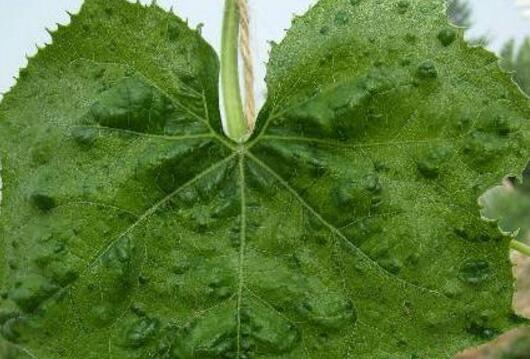
Symptoms: The upper leaves of lantana are the first to show symptoms. The leaves develop a mosaic pattern of dark green and light green, and the leaves also become wrinkled and deformed. The flowers produced are few and the floral organs are deformed. The whole plant is stunted, and brown markings appear at the same time.
Causes: The main source of the pathogen is weeds and certain infected plants. The main causes of onset are high temperature and drought, and lantana is often lacking fertilizer and water. It can also be transmitted to other healthy plants with the help of some insect pests.
Control methods: (1) Avoid keeping lantana under drought and high temperature conditions, and pay attention to reasonable fertilizer and water supply in normal care to ensure the plant grows vigorously. (2) Mosaic disease generally appears together with aphids, so when controlling mosaic disease, spray with 40% dimethoate emulsifiable concentrate at 1000 times dilution.
2. Gray mold
Symptoms: The color of diseased lantana seedlings becomes lighter, the leaves and petioles turn grayish white, and there are water-soaked lesions. The tissue softens and rots, and a gray mold layer appears on the surface. In severe cases, it can cause lantana to wither and die. It is one of the most harmful diseases in lantana pest and disease control.
Causes: Gray mold usually occurs in environments with humidity above 90%. It spreads through airflow, irrigation, and other operations, entering through wounds on the plant. If the planting density is too high and seedlings show excessive spindly growth, the likelihood of gray mold occurrence increases.
Control methods: (1) Keep the lantana environment well ventilated while lowering environmental humidity to below 90%, and promptly remove diseased leaves and flowers. (2) Spray with 50% iprodione wettable powder at 1500 times dilution, once a week; 3-4 times can eliminate the disease.
Lantana pest control
1. Aphids
In lantana pest and disease control, aphids are one of the most common pests. They mainly damage the leaves and tender stems of lantana, feeding on the sap within the tissues. At the same time, they can also carry pathogens and transmit them to other branches and leaves, so timely cleaning and control are needed.
Control methods: (1) Before winter begins, promptly prune away weak branches, dead leaves, and spent flowers, and pay attention to keeping the environment well ventilated. (2) Spray with 50% malathion emulsion diluted to 1000 times solution to eliminate aphids before they multiply in large numbers.
2. Leaf blight nematode
Leaf blight nematodes cause lantana leaves to become dull in color, with light brown spots appearing on the surface. The spot color gradually deepens to black, and the lesions continuously expand. Eventually the entire leaf curls and dies, then hangs down along the stem.
Control methods: (1) When watering, do not splash water onto the leaves; instead water at the roots and try to keep the leaf surface dry. (2) You can spray the leaf surface with 50% fenitrothion emulsion or 50% fosthiazate at 1000 times solution to eliminate leaf blight nematodes.
Common pests and diseases of lantana and their control methods
Common disease of lantana: gray mold
Symptoms of lantana gray mold
The pathogen first invades from the tips of the petals. After onset, the diseased areas become water-soaked, soft, faded, and lose their luster. Finally the petals turn brown and rot, and the flowers drop off. Under humid conditions, a gray mold layer forms on the surface of the diseased parts.
The pathogen overwinters as sclerotia or mycelium on the remains of diseased plants. The following spring it produces conidia, which spread through wind and rain, infecting and causing damage. Low temperature and high humidity, along with poor ventilation, favor disease development. This disease occurs more often in greenhouses. But flower lovers who grow it on balconies or in flower beds should not be careless either.
Control methods for lantana gray mold
Pay attention to ventilation and reduce humidity, which can lessen the occurrence of the disease. Promptly remove diseased flowers and burn them in a concentrated manner or bury them deeply in the soil to reduce the source of infection.
In the early stage of lantana gray mold occurrence, you can spray: 1:200 Bordeaux mixture, or 50% procymidone wettable powder at 2000 times dilution, or 50% iprodione wettable powder at 1500 times dilution, once every two weeks. The number of sprayings depends on the disease situation.
Common pest of lantana: leaf blight nematode
Symptoms of lantana leaf blight nematode damage
After nematodes invade the leaves, the leaf color becomes lighter and light brown spots appear, which later gradually deepen to almost black. As the lesions expand, they become angular spots due to the restriction of the main and lateral veins. In severe cases, the entire leaf dies, curls, and hangs down along the stem. Most nematodes are in the slightly discolored areas, and only a small number of nematodes are on leaves that have turned dark brown or black.
Leaf blight nematodes overwinter in the root area and surrounding soil, on the remains of diseased plants, and on wild hosts. Even on extremely small residual leaves, they can survive in the soil for 6-7 months. The entire development process of leaf blight nematodes is completed within the invaded tissue. When conditions are suitable (22-25°C, sufficient humidity), it takes only 14 days from egg development to egg-laying by the female adult. They are generally transmitted through water droplets, irrigation water, and contact between diseased and healthy leaves. Over long distances, they are carried by humans through diseased leaves, flowers, stems, cuttings, and soil. They enter through stomata on the leaves.
Control methods for lantana leaf blight nematode
Horticultural control: For potting soil, do not use diseased soil or soil with many weeds. Improve watering methods; it is best not to splash water, and keep the leaf surface as dry as possible. When placing potted flowers, leave appropriate gaps so that leaves do not touch each other.
Chemical control: You can use 15% aldicarb granules, 5-6 grams per square meter of potting soil, or 2-3 grams for a pot about 25 cm in diameter, placed deep into the soil. Or use 3% carbofuran, 3-5 grams per pot, placed deep into the soil. During the damage period, you can also spray the leaf surface with 50% fenitrothion emulsion, 50% fosthiazate, and 50% carbaryl wettable powder at 1000 times solution.
Common pest and disease control for lantana
During the process of growing lantana, pests and diseases sometimes occur. When common pests and diseases appear on lantana, which has richly colored flowers, how should we control them?
The common pests and diseases of lantana are gray mold and leaf blight nematode disease
1. Gray mold
Gray mold occurs when ventilation is poor. The pathogen first invades from the tips of the petals. After onset, the diseased areas become water-soaked, soft, faded, and lose their luster. Finally the petals turn brown and rot, and the flowers drop off. Under humid conditions, a gray mold layer forms on the surface of the diseased parts.
Control methods:
1. Pay attention to ventilation and reduce humidity, which can lessen the occurrence of the disease.
2. Promptly remove diseased flowers and burn them in a concentrated manner or bury them deeply in the soil to reduce the source of infection.
3. In the early stage of disease occurrence, you can spray: 1:200 Bordeaux mixture, or 50% procymidone wettable powder at 2000 times dilution, or 50% iprodione wettable powder at 1500 times dilution, once every two weeks. The number of sprayings depends on the disease situation.
2. Leaf blight nematode disease
After nematodes invade the leaves, the leaf color becomes lighter and light brown spots appear, which later gradually deepen to almost black. As the lesions expand, they become angular spots due to the restriction of the main and lateral veins. In severe cases, the entire leaf dies, curls, and hangs down along the stem.
Transmission routes: Leaf blight nematodes overwinter in the root area and surrounding soil, on the remains of diseased plants, and on wild hosts. Even on extremely small residual leaves, they can survive in the soil for 6-7 months. The entire development process of leaf blight nematodes is completed within the invaded tissue. When conditions are suitable (22-25°C, sufficient humidity), it takes only 14 days from egg development to egg-laying by the female adult. They are generally transmitted through water droplets, irrigation water, and contact between diseased and healthy leaves. Over long distances, they are carried by humans through diseased leaves, flowers, stems, cuttings, and soil.
Control methods:
1. Strengthen quarantine to prevent leaf nematodes and their propagation materials from entering disease-free areas.
2. Horticultural control: For potting soil, do not use diseased soil or soil with many weeds. Improve watering methods; it is best not to splash water, and keep the leaf surface as dry as possible. When placing potted flowers, leave appropriate gaps so that leaves do not touch each other.
3. Chemical control: You can use 15% aldicarb granules, 5-6 grams per square meter of potting soil, or 2-3 grams for a pot about 25 cm in diameter, placed deep into the soil. Or use 3% carbofuran, 3-5 grams per pot, placed deep into the soil. During the damage period, you can also spray the leaf surface with 50% fenitrothion emulsion, 50% fosthiazate, and 50% carbaryl wettable powder at 1000 times solution.